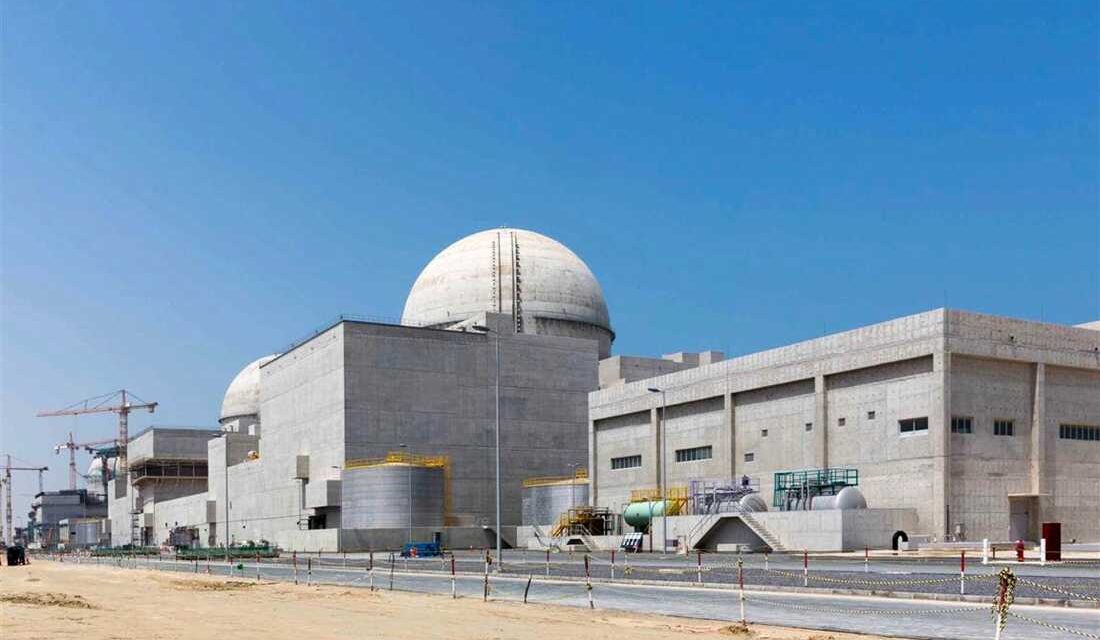
Location: Dubai, United Arab Emirates — A drone strike ignited a fire on the boundary of the UAE’s only nuclear power plant, Barakah, amidst what authorities have labeled an “unprovoked terrorist attack.” While responsibility for the incident remains unassigned, the situation underscores the looming threat of renewed conflict, especially as the United States and Iran express readiness to resume hostilities.
Fortunately, there were no injuries or radiological releases reported.
The UAE, which has hosted military defenses and personnel from Israel, recently accused Iran of initiating drone and missile attacks. Tensions persist over the strategic Strait of Hormuz, crucial for energy transport and dominated by Iran, which faces a U.S. naval blockade.
U.S. & Iran Relations: “For Iran, the Clock is Ticking, and they better get moving, FAST, or there won’t be anything left of them,” posted U.S. President Donald Trump on social media. This remark followed a conversation with Israeli Prime Minister Benjamin Netanyahu, who referenced the U.S.-Israel joint attack on Iran that triggered the war on February 28. Though Trump frequently sets deadlines for Tehran, he’s known to retract them. Concurrently, Mohsen Rezai, an adviser to Iran’s supreme leader, stated, “Our armed forces’ fingers are on the trigger, while diplomacy is also continuing.”
The ceasefire remains precarious, as diplomatic endeavors towards sustained peace have stalled. Violence has escalated between Israel and Hezbollah in Lebanon, despite official ceasefire agreements.
Barakah Plant: A Vital Energy Source
The UAE’s Defense Ministry reported the incursion of three drones across its western frontier with Saudi Arabia, one of which sparked the fire, while the remaining two were intercepted. Investigations to identify the assailants are ongoing. Iran and allied Shiite militias from Iraq have previously targeted Gulf Arab nations with drones.
Anwar Gargash, diplomatic advisor to the UAE president, characterized the attack as a “dangerous escalation” by either direct perpetrators or proxy agents. Saudi Arabia condemned the incident, subsequently intercepting three drones entering its airspace from Iraq.
Constructed with South Korean assistance, the $20 billion Barakah plant became operational in 2020 and represents the sole nuclear facility in the Arab world. It fulfills approximately 25% of the UAE’s energy needs. The nation’s nuclear regulator assured that the fire had no impact on safety, with all operational units remaining functional. According to the International Atomic Energy Agency, the strike resulted in a fire at an electrical generator, prompting one reactor to utilize emergency diesel generators. This marks the first deliberate targeting of the Barakah plant during the ongoing conflict.
In 2017, the Houthi rebels in Yemen claimed to have targeted the under-construction plant, an assertion refuted by Abu Dhabi.
Nuclear Programs: UAE vs. Iran and Israel
The UAE signed a “123 agreement” with the U.S., promising not to pursue domestic uranium enrichment or spent fuel reprocessing—measures aimed at easing proliferation fears. Their uranium is imported, distinguishing their nuclear strategy from Iran’s. Iran’s program is contentious, given its enrichment capacity nearing weapons-grade levels, and suspected military dimension until at least 2003. Restricted access for U.N. inspectors further exacerbates the global apprehension.
Conversely, Israel, though widely believed to possess nuclear weaponry, neither confirms nor denies its existence. Amidst the conflict, Iran targeted Israel’s Dimona nuclear facility.
Nuclear facilities have increasingly been targets during wars, noted during Russia’s invasion of Ukraine in 2022. Iranian claims of attacks on their Bushehr plant lacked evidence of any damage or radiological threat.
Fragile Ceasefire
Two anonymous sources, including an Israeli officer, confirm coordination between Israel and the U.S. for potential renewed assaults amid the conflict. Prime Minister Netanyahu assured readiness for various scenarios during a Cabinet meeting.
On Iranian state television, presenters on multiple channels displayed arms during broadcasts. Hossein Hosseini, a presenter, simulated firing at the UAE flag, after receiving firearm instruction from a Revolutionary Guard member. Another presenter, Mobina Nasiri, received a weapon from a Tehran assembly, proclaiming willingness to sacrifice for Iran.
 The Threat of Melting Glaciers: A Call to Action
 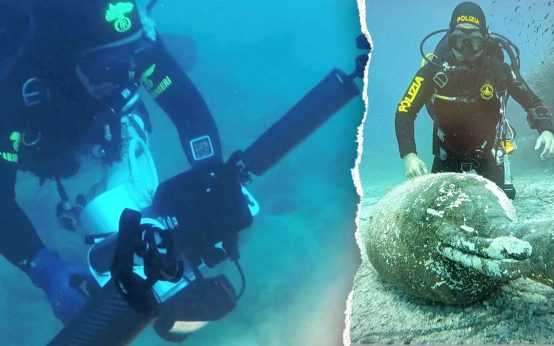 Police Discover Ancient Roman Artifacts Off Sardinian Coast
 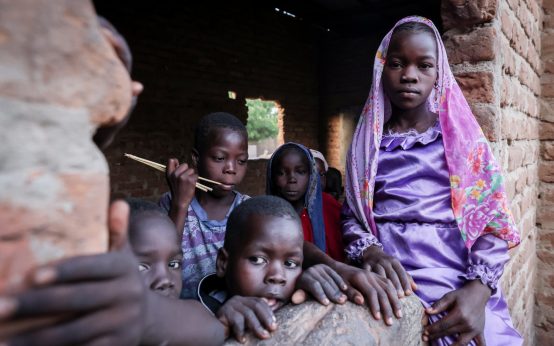 Urgent Need for Action in East Africa’s Food Crisis
 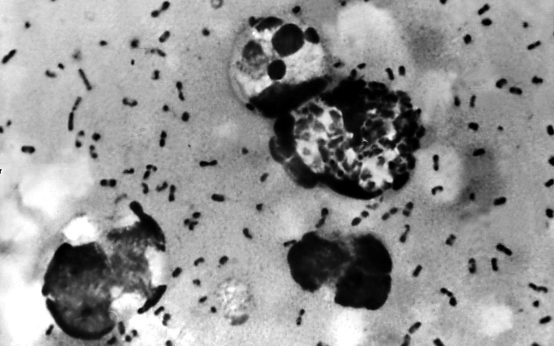 Suspected Plague Death in Siberia Sparks Health Measures
 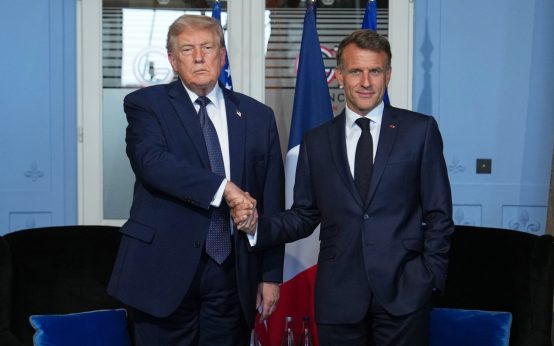 G7 Nations Agree to Release 100 Million Barrels of Oil Amid Fuel Price Surge
  Co-Pilot Attempts Hijack on Flight to Tel Aviv