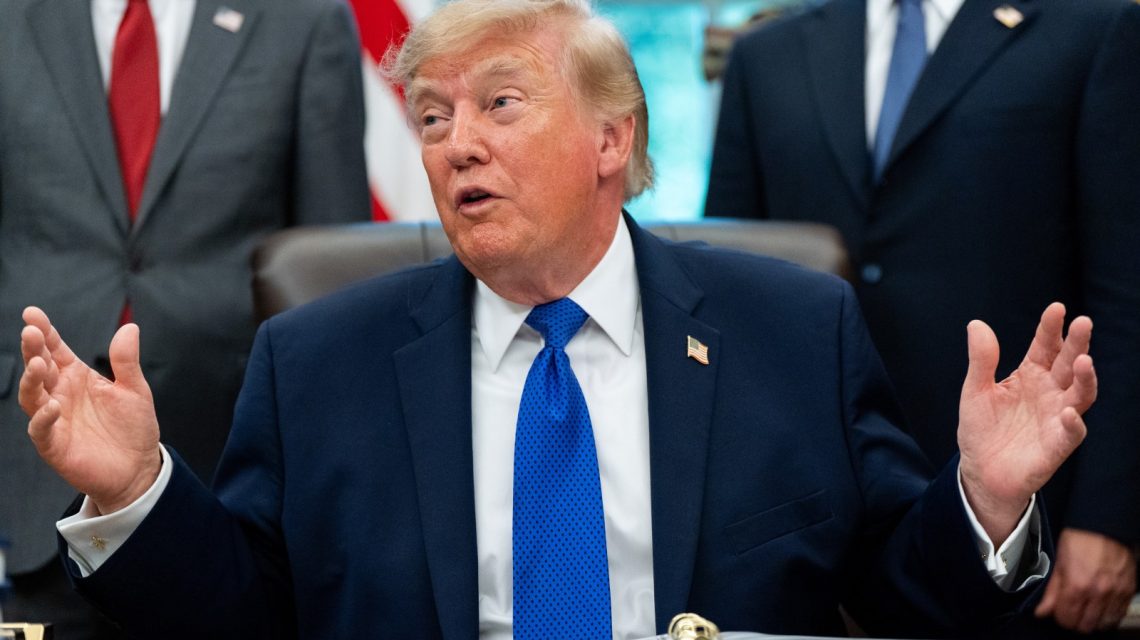
Trump’s Strong Words for Canada Amid Trade Dispute
President Donald Trump has intensified his rhetoric against Canada, labeling it as “one of the worst countries in the entire world” while trade tensions continue to rise between the two nations. This follows Trump’s decision to impose 50 percent tariffs on approximately $28 billion worth of Canadian goods last month. Canadian Prime Minister Mark Carney responded with reciprocal measures, matching dollar for dollar.
During a press briefing in the Oval Office, Trump accused Canada of imposing steep tariffs on American agricultural products, which he believes is unfair treatment towards the United States. Trump expressed frustration, claiming, “They feel entitled.” He added that Canada frequently seeks a deal with the U.S., but the challenge lies in the treatment that has been received over years.
Trump’s criticism extended to accusing Canada of over-reliance on the U.S. economy while offering limited returns. According to him, Americans provide extensive support, including military cooperation and icebreakers. He asserted that the U.S. does not rely on Canadian resources, stating, “There’s nothing they have that we need.” Despite the tensions, Canada remains the United States’ second-largest trading partner after Mexico in terms of trade volume.
Canada’s Strategic Moves
In response to the strained relations with Washington, Prime Minister Carney has been active in seeking to expand Canada’s economic and diplomatic ties. Recent initiatives include the pursuit of a trade pact with India and the strengthening of relations with China through a tariff reduction agreement on Canadian canola and a controlled entry of Chinese electric vehicles into the Canadian market.
Carney has also supported the concept of Canada becoming the European Union’s first associate member, a move aimed at bolstering economic ties with Europe. This is part of a broader strategy to ensure that Canada’s markets are diverse and not dominated by a single foreign nation.
Political Ramifications
The impact of escalating trade tensions carries political ramifications. Todd Belt, a professor of political management at George Washington University, emphasized that the White House underestimated Carney’s resolve. Belt commented on the unexpected nature of Canada’s retaliation, noting how strategic targets were selected, including swing states like Michigan, Ohio, and Alaska.
“Donald Trump underestimated Carney’s resolve,” said Belt. “He probably thought that since he was new in office, he would be able to boss him around. And that didn’t happen.”
These escalating tensions are part of an unfolding story, with further developments expected as both nations navigate their economic relationships.
 The Threat of Melting Glaciers: A Call to Action
 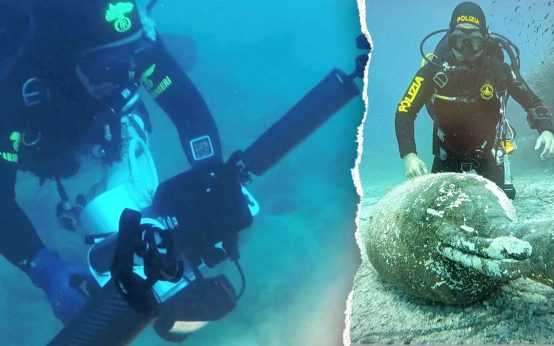 Police Discover Ancient Roman Artifacts Off Sardinian Coast
  Urgent Need for Action in East Africa’s Food Crisis
  Suspected Plague Death in Siberia Sparks Health Measures
 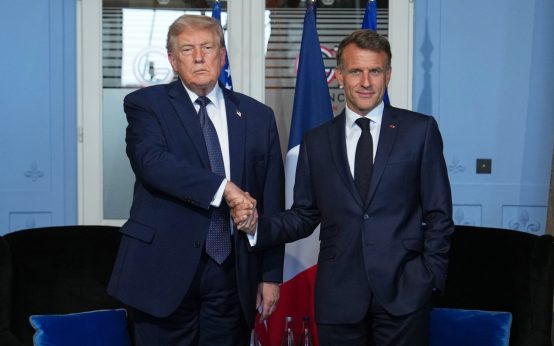 G7 Nations Agree to Release 100 Million Barrels of Oil Amid Fuel Price Surge
  Co-Pilot Attempts Hijack on Flight to Tel Aviv