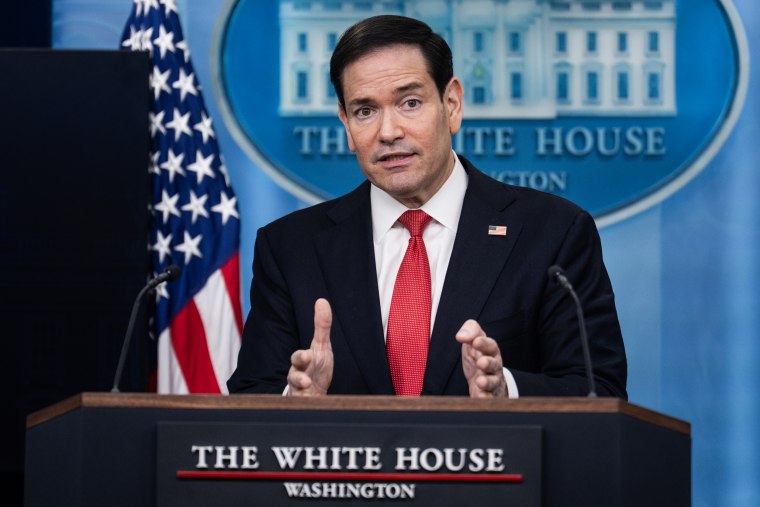
The State Department quickly mobilized to address an Ebola outbreak, demonstrating its commitment to safeguard American health and security. State Department spokesman Pigott emphasized the department’s priority in preventing the virus from reaching the U.S. shores.
Changes in Evaluation Policies
Revisions to the State Department’s evaluation and promotion policies have stirred controversy. A new bell curve aims to restrict the number of diplomats receiving top rankings, potentially narrowing promotion opportunities and impacting careers. Although some officials agree the system required reform, they suggest that the changes have led to new issues. One former diplomat expressed concerns over the despondency among foreign service officers affected by this system.
Deputy Secretary of State Christopher Landau underlined that the revamped system aligns with government accountability efforts. He believes the change bolsters evaluations based on actual performance, moving away from inflated ratings.
Performance Evaluation Criteria
Diplomats now face revised criteria for performance evaluations. Fidelity tops the list of critical skills and traits. Former diplomat Mark Lambert warned that prioritizing loyalty might lead to flawed leadership advice, risking inconsistent foreign policy due to partisan influences.
Lambert pointed out the oath taken by Foreign Service personnel to uphold the Constitution, insisting their duty transcends political affiliations. Their role, he stressed, is to provide unbiased analysis to support leadership decisions.
Lack of Expert Involvement in Negotiations
Veteran foreign service officers have been notably absent from high-profile negotiations under the Trump administration, replacing diplomatic expertise with individuals inexperienced in diplomacy, such as relatives and friends of the president. This approach has sparked concerns regarding its effectiveness in handling sensitive international matters.
Three former senior diplomats criticized the administration for underutilizing career experts, suggesting intentional sidelining. This sentiment was echoed by former Ambassador John Bass, who highlighted the erosion of expertise in decision-making processes.
Dismissal of Diplomats
In a significant restructuring move, the State Department dismissed nearly 250 officers stationed in Washington. This action received criticism for perceived arbitrariness. Former diplomat Maryum Saifee noted promotions granted to some officers post-dismissal and raised concerns over rapid replacement by new recruits lacking experience.
The controversy extends to changes in the foreign service entrance exam, including the removal of diversity-related questions. Critics argue this shift misaligns recruitment efforts with modern America’s demographic representation.
Putting America First
The Trump administration encapsulated its America First strategy by limiting diplomatic roles influenced by external loyalties. Some diplomats, like Horst, faced career shifts after canceled nominations and initiatives, leading them to seek roles outside the Foreign Service.
Horst adapted by joining the Lewis Local Diplomats program, designed to foster connections between U.S. local governments and foreign businesses. Unfortunately, this initiative was later canceled, redirecting her career toward sustainable agriculture.
The departure of seasoned diplomats is viewed as potentially damaging to U.S. presence and influence abroad. Kelly Adams-Smith urged aspiring diplomats to pursue careers in the Foreign Service, stressing the need for a skilled, nonpartisan workforce.
The long-term implications of recent State Department changes may affect everything from national reputation to emergency support for Americans abroad.
 Activists Push for Nationwide Ban on Child Marriage in the U.S.
  Democratic Hopes and Historical Warnings in 2026 Senate Race
  Republicans Face Challenges Amidst Cost of Living Concerns
  A Different Kind of Fall for Congress This Year
  Cornel West and Sean Hannity Discuss Differences on Podcast
 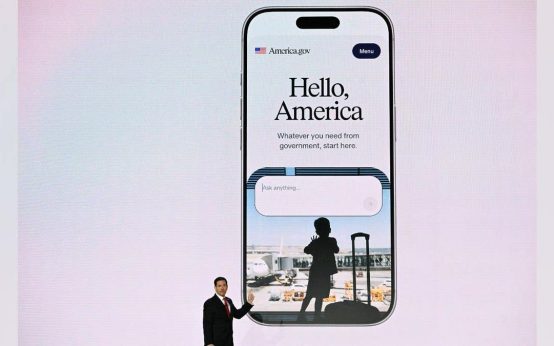 Trump Unveils AI-Powered America.gov Platform