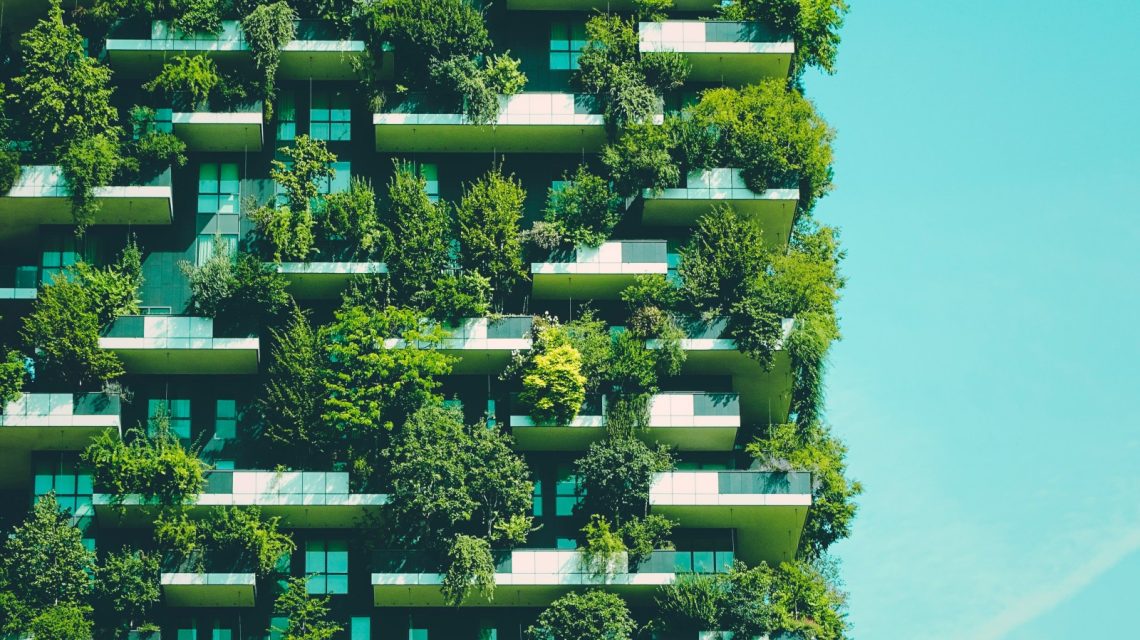
Older adults residing in areas with more greenery may have a significantly lower chance of developing dementia. A study conducted over 16 years, involving almost 3,000 participants, highlights this connection. Researchers from Stockholm University and Karolinska Institute found that individuals living with more vegetation within 110 yards of their homes experienced a 20% reduced risk of dementia over time. Published in Alzheimer’s & Dementia, these findings emphasize the potential role of green spaces in supporting brain health as people age.
The Role of Green Spaces
According to Cecilia Stenfors, the study’s lead author and an associate professor at Stockholm University, green spaces may benefit brain health through psychological well-being, rest, outdoor activities, social interaction, and reducing exposure to environmental stressors such as air pollution and noise. She advocates for the inclusion of greenery in urban planning to enhance brain resilience in aging populations.
Study Details
The study analyzed 2,993 adults aged 60 and older from the Swedish National Study on Aging and Care in Kungsholmen, Stockholm. Over the 16-year period, 477 participants developed dementia. Researchers assessed the amount of vegetation around each participant’s residence using satellite imagery and geographic information systems. Greenery was evaluated within distances of 110, 275, and 550 yards from their homes. The study showed the strongest association between dementia risk and greenery within 110 yards, with weaker links observed at greater distances. Women showed a stronger protective association with nearby green spaces.
Evaluating Other Factors
The researchers accounted for various potential influences on dementia risk, such as age, education, socioeconomic status, lifestyle habits, air pollution, traffic noise, and proximity to water. Stenfors pointed out that the immediate residential environment is influential due to its presence in daily life. Earlier research indicated that nearby green spaces correlate with improved sleep, mental health, and reduced antidepressant usage.
Environmental Benefits
Green spaces encourage outdoor activities, physical exercise, and social interactions, which are beneficial for aging populations. Vegetation also lowers exposure to hazards like pollution, heat, and noise. Stenfors described vegetation as a comprehensive solution, supporting brain health and offering additional benefits such as aiding biodiversity, lowering flood risk, and providing shade during heatwaves. She expressed concern about urban densification leading to a reduction of green areas, contributing to less healthy neighborhoods and exacerbating urban vulnerabilities to extreme weather.
Clinical Perspectives
Dr. Željko Kojadinović, a neurosurgeon with extensive clinical experience, noted that the proximity of greenery, especially within 110 yards, is crucial. He explained that contact with nature could improve mood and encourage physical and social activities, which promote brain health. Kojadinović emphasized that green spaces might help filter airborne pollutants linked to cerebral microangiopathy, a factor contributing to dementia. Though the study shows association rather than causation, its findings align with clinical observations indicating that dementia in older adults often involves multifactorial developments.
 Christina Applegate Discusses Misdiagnosis and Ongoing Health Challenges
 Key Changes in Medicare Open Enrollment for 2027
 Dr. Oz Leads Crackdown on Suspected Medicaid Fraud in NYC
 Nigeria Confirms Ebola Case Amid Regional Outbreak
 Navigating Pregnancy Costs and Healthcare Challenges
 Canadian Man’s Struggle for Home Care Amid Assisted Death Proposals