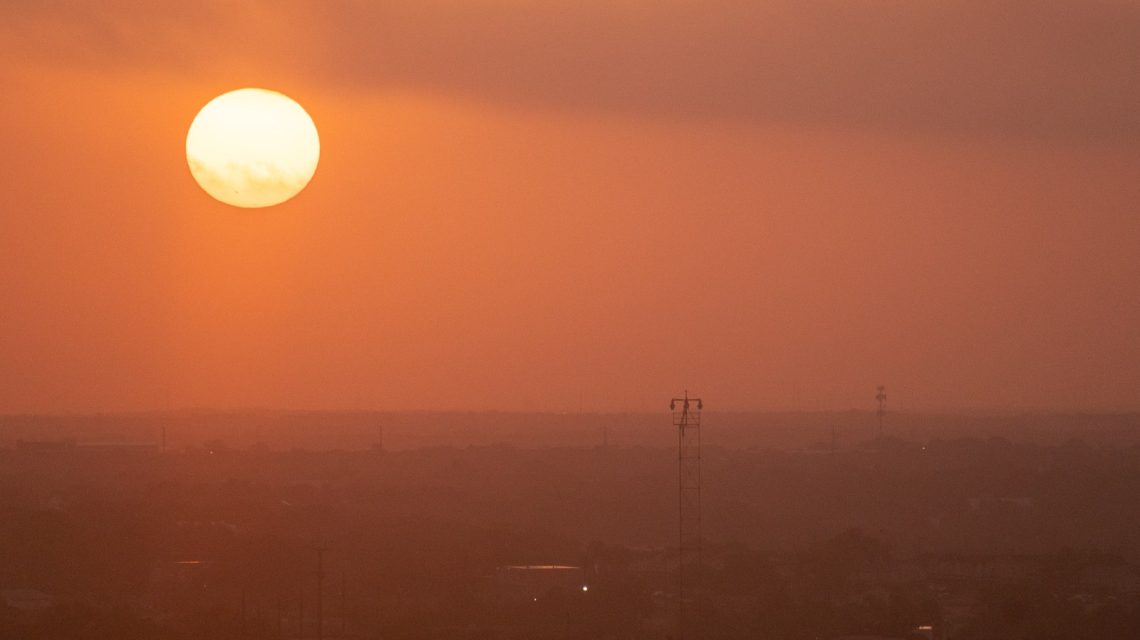
An intense heat advisory has been announced for eastern Montana as temperatures are predicted to reach over 100 degrees early this week. The National Weather Service (NWS) in Glasgow has issued the advisory for Tuesday from noon to 9 p.m. MDT. Affected areas include Daniels, Dawson, Phillips, Valley, Garfield, McCone, and nearby counties.
Contributing to the harsh conditions are strong southeast winds expected to reach up to 40 mph around Fort Peck Lake. As a result, a separate lake wind advisory has been announced, with forecasts warning of waves up to five feet high.
Residents are urged to stay hydrated, limit sun exposure, and check on vulnerable neighbors. These precautions are vital due to the unusual early-season heat striking a region often unprepared for such conditions. Health experts warn that the lack of acclimatization to extreme temperatures significantly increases the risk of heat-related illnesses.
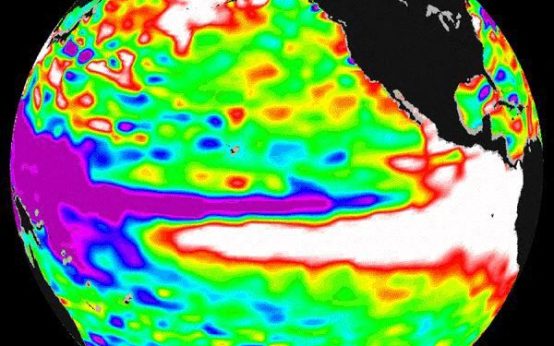
This early heat wave comes as meteorologists report a developing ‘super’ El Nino, which may affect weather patterns this summer. While the southern U.S. often experiences triple-digit temperatures by late spring, they are rare in northern regions like Montana. May temperatures in eastern Montana typically remain in the low 70s, and such heat typically arrives in June or later.
The NWS highlights the heightened vulnerability of northern populations when faced with sudden extreme heat. Many residents lack air conditioning, increasing the risk during unexpected heat waves. Individuals should take measures to protect themselves and others, as emphasized by the advisory instructing not to leave children or pets in vehicles and recommending staying hydrated and out of direct sunlight.
The threat extends to breaking temperature records in cities like Billings, which may surpass a 90-year-old high of 95 degrees on Tuesday. Besides human health risks, environmental concerns such as increased wildfire danger are significant, due to the combination of heat, low humidity, and strong winds.
Grassland areas face particular risk, where dry conditions could allow fires to ignite easily, further spread by gusty winds. Routine activities involving machinery or discarded cigarettes may become fire hazards. Early heat waves also accelerate vegetation drying, foreshadowing potentially active wildfire seasons later in the year.
Forecasters expect temperatures to peak on Tuesday, potentially easing afterward, but the trend of above-average warmth could continue for weeks. The NWS Climate Prediction Center anticipates above-average temperatures across Montana through at least June 7. Meanwhile, parts of the southern U.S. may experience below-average temperatures in the same period.
 Cargo Plane Crash at Miami International Airport
  Marine Veteran Suing Oregon School District Over Curriculum Reimbursement
  Tennessee Execution Halted as Issues Persist with Lethal Injection Protocol
  Atlantic Ends September Without a Hurricane for First Time Since 1994
  Bobcat Sightings and Conservation Efforts in Illinois
  2026 El Niño: A Historical Comparison and Future Projections