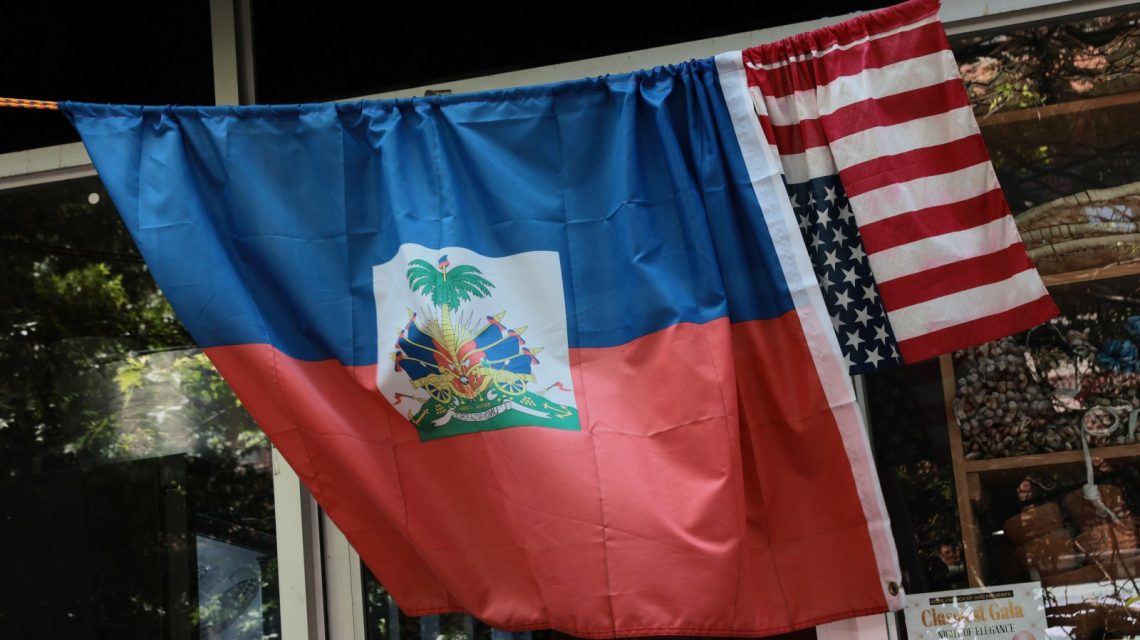
Thousands of immigrants with Temporary Protected Status (TPS) are facing potential returns to countries plagued by unrest and environmental challenges. This situation arises despite claims of improved conditions from the Trump administration. The recent U.S. Supreme Court ruling has profound effects on TPS holders from Haiti and Syria, and the decision’s influence could stretch to countries like Venezuela, Afghanistan, Honduras, and Myanmar.
Supreme Court Decision
On June 25, the Supreme Court allowed the Trump administration to terminate TPS protections for approximately 350,000 Haitians and a few thousand Syrians. The decision limits judicial review of TPS designation decisions by the Department of Homeland Security (DHS). Justice Elena Kagan, dissenting, highlighted potential risks to immigrants before legal challenges conclude.
This ruling has broader implications beyond Haiti and Syria. The Trump administration’s moves to end TPS for several nations could affect over a million people reliant on the program. As TPS ends, legal protections and employment authorizations dissolve, affecting individuals’ livelihoods and community ties.
Syria and the Challenges of Return
The International Rescue Committee (IRC) reports that over 3.5 million Syrians have returned since the fall of the Assad government. Despite changing political conditions, many returnees find essential services lacking, with 71% living in damaged housing. The report shows that returns are often due to worsening conditions in host countries, not improvements in Syria.
Humanitarian groups warn that returns may outpace Syria’s capacity to provide homes, services, and economic opportunities for the returning population. Kelly Razzouk from the IRC stresses the ongoing need for TPS as a lifeline for those at risk.
Haiti’s Security Crisis
The Supreme Court ruling affects around 350,000 Haitians, many long-term U.S. residents. Advocacy groups argue that Haiti continues to suffer from gang violence and political instability. Conditions in Haiti, according to some advocates, remain unsuitable for large-scale returns.
The administration insists that improved conditions justify ending TPS. Yet, as Adam Klein notes, some risks are too unpredictable to leave unaddressed, and returning TPS beneficiaries may face significant challenges.
Venezuela’s Economic Situation
Venezuelan TPS holders are anxious after the administration aimed to revoke protections extended under Biden. Despite arguments that Venezuela has improved, many claim economic and political uncertainties persist, exacerbated by recent earthquakes and political turmoil.
Venezuelan immigrants fear family separations and job loss, which affects their stability in the U.S.
Afghanistan and Myanmar: Security Concerns
For nationals from Afghanistan and Myanmar, the threat centers on security and human rights more than economic factors. Myanmar’s lingering violence and Afghanistan’s instability raise significant concerns about the motive to terminate TPS for these countries.
Newsweek reports that many from Myanmar fear persecution if forced to return. These cases highlight varied reasons for TPS designations, including armed conflict and political repression.
The Future of TPS
The Supreme Court’s ruling supports the wide authority of the Homeland Security secretary over TPS. With several designations nearing expiration, advocates worry about significant reductions in the TPS-protected population.
Nayna Gupta from the American Immigration Council underscores the precarious situation for TPS holders who may face unsafe returns. Adam Klein reflects on TPS as a temporary measure, urging for legislative action to address long-term residents.
As discussions on immigration policy continue, the uncertainty faced by Syrians, Venezuelans, Haitians, Afghans, and Burmese may best illustrate the post-TPS landscape.
 Sen. Cotton Opposes Permanent Daylight Saving Time
  Steve Hilton’s Latino Outreach and Gubernatorial Ambitions
  The Need for Reform in Presidential Nominations
  Controversy Surrounds Performances at Gillette Stadium
  Celebrity Controversies Over Political Activism and Speech
  Trump Pushes for Permanent Daylight Saving Time, Sharing Senator’s Contact Information