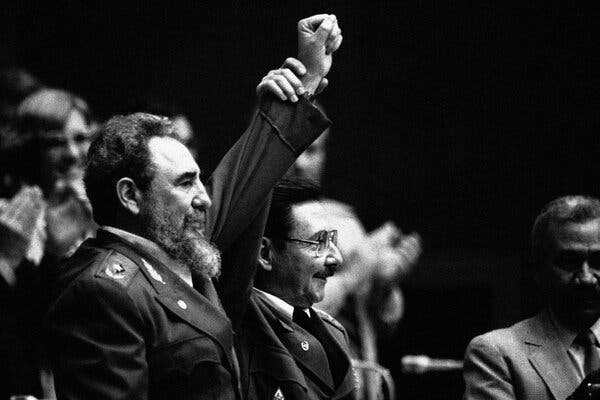
Raúl Castro, at 94 years of age, remains a significant figure in Cuba, particularly influential over the military. Though he no longer holds an official title, experts suggest his impact is substantial. He has been involved in covert negotiations with the Trump administration regarding the ongoing issues between Havana and Washington.
Castro’s legacy is strongly tied to the Cuban Revolution. State media refers to him as “the leader of the Cuban Revolution,” acknowledging his role along with his brother Fidel in the 1959 uprising that overthrew a U.S.-supported dictator.
Physically, Raúl Castro shows signs of aging, with frail health, hearing loss, and speech difficulties. Despite these challenges, he remains active in significant events. He was recently seen in his military attire during the International Workers’ Day parade on May 1.
Alcibiades Hidalgo, Castro’s former chief of staff, noted that despite a past reputation for heavy drinking, Raúl has maintained his well-being into old age. Hidalgo, who defected to Florida in 2002, emphasized Castro’s lasting influence on Cuba’s direction as long as he is alive.
Fidel Castro, who passed away in 2016, was the revolution’s prominent leader. Raúl Castro, meanwhile, played a supportive role. Brian Latell, a former C.I.A. analyst on Cuba, contrasted the brothers’ styles, describing Fidel as the visionary and Raúl as the practical executor.
After the revolution, Raúl Castro built the Revolutionary Armed Forces, which successfully thwarted the Bay of Pigs invasion orchestrated by the C.I.A. Furthermore, he was pivotal in establishing the Cuban Communist Party after Fidel declared Cuba a Communist state in 1961.
As defense minister, Raúl Castro founded GAESA, a vast military conglomerate influencing numerous sectors like hotels and retail. This entity is seen as the strongest economic power in Cuba.
Initially viewed as a reformer, Raúl Castro eased some stringent communist policies, allowing property and vehicle trades among Cubans. In 2015, he re-established diplomatic ties with the U.S. and later welcomed President Barack Obama to Havana. However, he preserved the Communist Party’s strict political dominance and maintained the authoritarian state security system.
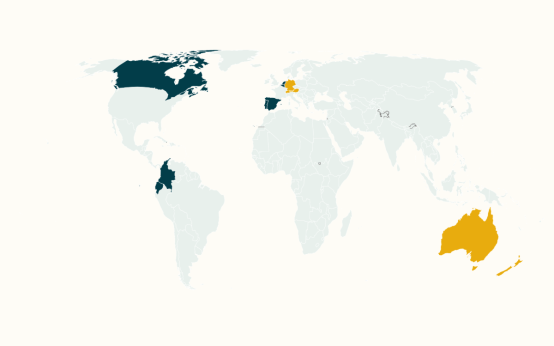 Dutch Review Board’s Euthanasia Ruling and International Debate
 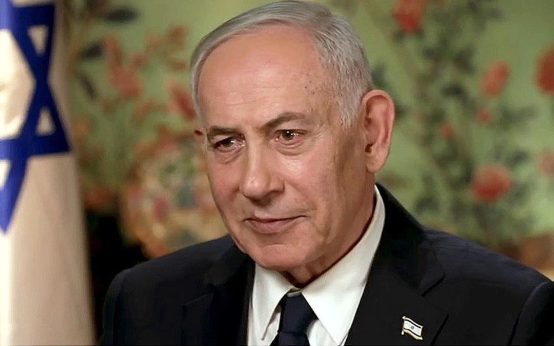 Israeli PM Commends Heroic Actions in Flight Emergency
 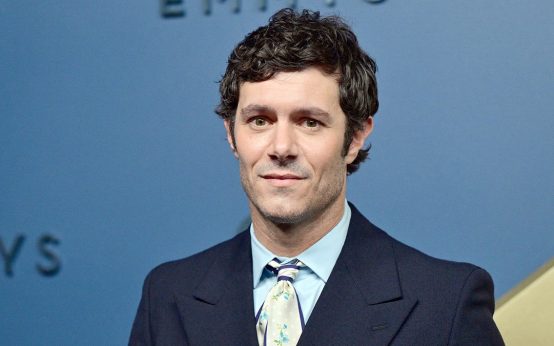 Rabbi and Jewish Leaders Criticize Adam Brody for ‘Genocide’ Comment
  Flydubai’s Emergency Landing Highlights Cockpit Security
 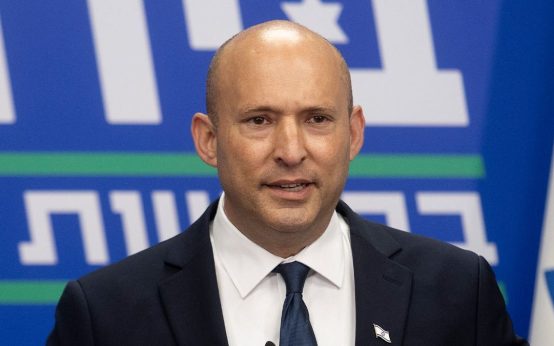 Former Israeli PM Naftali Bennett Commends Passengers and Crew for In-Flight Heroism
 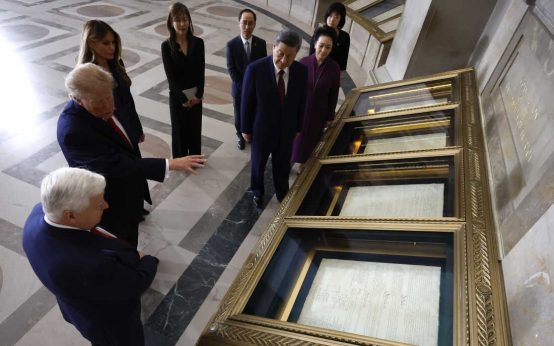 Diplomatic Complexities Unfold at U.S. National Archives Visit