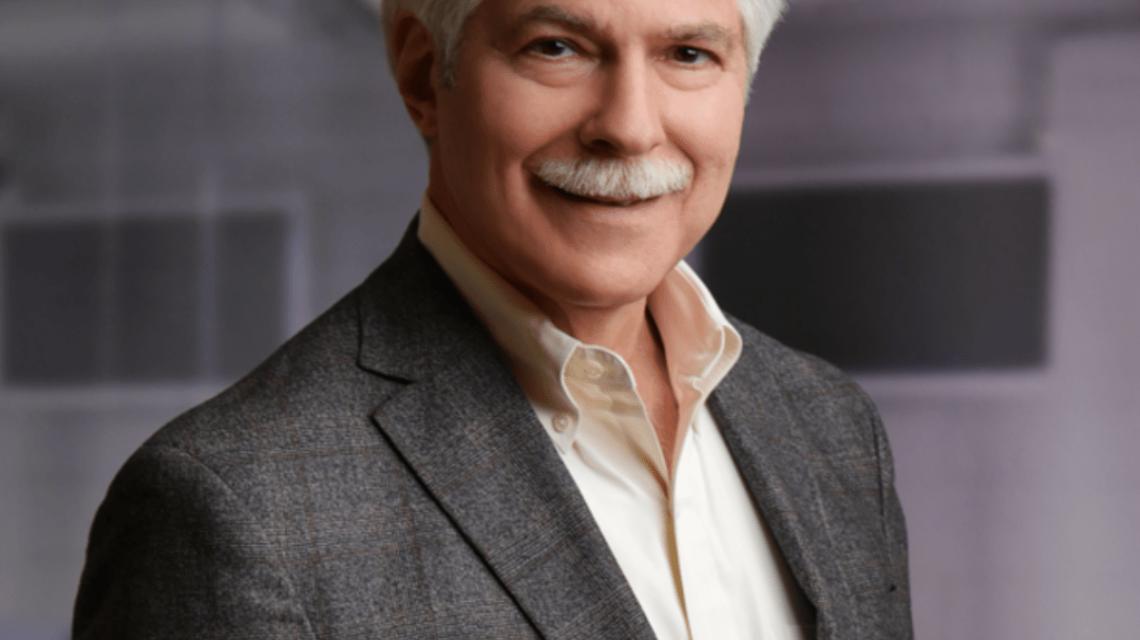
Recent industry reports highlight concerns about current methods of medical education, particularly in the interpretation of electrocardiograms (ECGs). Studies show that frontline clinicians accurately interpret ECGs only 56.4% of the time on average. In critical cardiac emergencies, both physicians and nonphysicians experience significant error rates, ranging from 25% to 30%.
The challenges mainly arise when clinicians over-rely on automated computer interpretations or traditional textbook patterns without fully understanding the physiological aspects that influence a patient’s heart rhythm. These observations align with conclusions drawn from Dr. Nicholas Tullo’s experiences. Dr. Tullo emphasizes the need for ECG education to move beyond basic recognition and memorization.
He believes that an over-reliance on memory aids and simplified pattern recognition can result in unnecessary procedures, diagnostic delays, and a drop in clinician confidence.
Dr. Tullo, founder of ECG Academy, initially imagined himself thriving in the high-stakes environment of surgical care. However, his clinical experiences led him to realize that cardiology, with a focus on the heart’s electrical activity, aligned more closely with his skills and interests.
Dr. Tullo’s lifelong passion for music—being a guitarist and drummer—helped him tune his ear to complex rhythms and dynamics, skills he found analogous when interpreting ECGs. This unique perspective influenced his meticulous approach to understanding complex rhythm disorders.
He noted a noticeable gap between classroom ECG education and practical clinical applications. He observed that conventional education tends to simplify ECG interpretation to recognizable patterns and memory shortcuts. Yet, real-world patients present with rhythms impacted by various factors such as posture, physical activity, medication, and autonomic state.
Dr. Tullo stated, “Many practitioners look mainly at surface patterns without fully understanding the physiology behind them. That gap sometimes leads to extra procedures, delays in diagnosis, and a drop in confidence.” To address this, he began developing practical lessons aimed at deepening understanding of the underlying physiology behind ECG waveforms.
He started by recording instructional videos at home, refining explanations that proved effective for clinicians. This initiative evolved into the ECG Academy, an online educational platform offering concise lessons, master classes, and accredited continuing education courses.
The ECG Academy focuses on three core goals: simplifying complex concepts, connecting instruction to real clinical experiences, and teaching rhythm interpretation as a language rather than solely relying on memorization.
Learners engage with physiological principles that lend meaning to waveforms, implementing this understanding through coaching videos, case walkthroughs, interactive exercises, and live reviews.
Dr. Tullo aims for clinicians to improve ECG reading accuracy, resulting in better clinical decision-making and patient outcomes.
Clinical practice and research are deeply integrated into ECG Academy’s curriculum. Dr. Tullo’s experiences in addressing issues like fainting and autonomic dysfunction have informed the academy to incorporate real-world complexity rather than idealized textbook examples.
As healthcare increasingly demands precise diagnostics and efficient decisions, Dr. Tullo’s work signals a shift toward deeper clinical understanding. His aim is to empower clinicians with scientific knowledge and practical experience, enhancing how they interpret heart rhythms with both confidence and precision.
 Democratic Governors Face Pressure on Federal School Choice Program
  Navigating School Year Challenges and ‘The Talk’ on Safety
  Early Detection of Atherosclerosis and Heart Disease Prevention
  Church Attendance Linked to Increased Sexual Satisfaction for Married Couples
  Dining with Loved Ones May Benefit Blood Sugar Levels
  Urgent Need for Action in East Africa’s Food Crisis