
Iran-backed Houthi forces have captured Yemen’s strategic port city of Mocha. They are advancing toward positions overlooking the Bab el-Mandeb Strait, creating a potentially dangerous situation for global trade. Shipping through the Strait of Hormuz remains restricted, and this new development could further complicate oil and commercial traffic in the region.
The Bab el-Mandeb Strait is the southern gateway to the Red Sea. As Saudi Arabia increasingly relies on this route to avoid the Hormuz Strait, the pressure on critical shipping lanes has intensified. This situation threatens disruptions in oil prices and the movement of goods, according to Hisham Al-Omeisy, senior Yemen adviser at the European Institute of Peace.
“Now you have Iran on one side controlling Hormuz and Houthis controlling Bab el-Mandeb on the other,” Al-Omeisy said. “Prices for oil, goods, and everything else will go up exponentially.”
A senior administration official emphasized that the United States prioritizes protecting navigation freedom in the Red Sea and empowering regional partners to address security challenges. The U.S. is in ongoing talks with Saudi Arabia and the Yemeni government about regional stability.
Yemeni sources confirmed that the Houthis have moved into Mocha and reached the Hanish Islands. Yemeni government forces, backed by Saudi Arabia, have pulled back south towards Dhubab. Controlling Dhubab and the nearby Perim island is crucial for securing Bab el-Mandeb, crucial for oil shipments between Asia and Europe.
The Bab el-Mandeb Strait is a key passage for goods between Asia and Europe and has become vital during the Iran conflict. The U.S. Energy Information Administration reported increased oil traffic through Bab el-Mandeb, with 8.1 million barrels per day in the second quarter of 2026, compared to 5.4 million barrels in late 2025. Contrastingly, flows through Hormuz have dropped significantly.
Al-Omeisy highlighted that retreating government forces left behind military equipment that could benefit Houthi forces in other areas. The Houthis have reportedly received aid and guidance from Iran’s Revolutionary Guards, escalating attacks on Saudi Arabia.
The conflict-monitoring organization ACLED noted a serious escalation in hostilities between the Houthis and the Saudi-backed forces since mid-July. Fighting along the Red Sea coast has intensified, with control over strategic areas like Bab el-Mandeb becoming increasingly crucial.
Saudi Arabia, along with allies Pakistan and Turkey, faces an early test for their defense agreement, which promises joint action against aggressors. Despite Houthi attacks, Pakistan stated that no military response is currently planned under the pact.
The Houthis claim international navigation through Red Sea and Bab el-Mandeb remains secure, while Saudi vessels face their blockade. Oil markets reacted sharply, with Brent crude exceeding $106 a barrel, reflecting heightened regional tensions.
Efrat Lachter, a Fox News Digital reporter, covers global conflict and political accountability, bringing insights from crisis zones worldwide.
 The Threat of Melting Glaciers: A Call to Action
 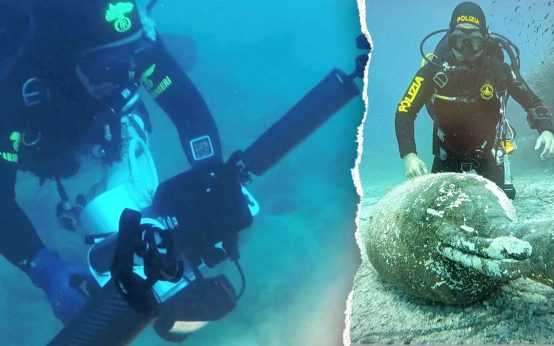 Police Discover Ancient Roman Artifacts Off Sardinian Coast
  Urgent Need for Action in East Africa’s Food Crisis
  Suspected Plague Death in Siberia Sparks Health Measures
  G7 Nations Agree to Release 100 Million Barrels of Oil Amid Fuel Price Surge
  Co-Pilot Attempts Hijack on Flight to Tel Aviv