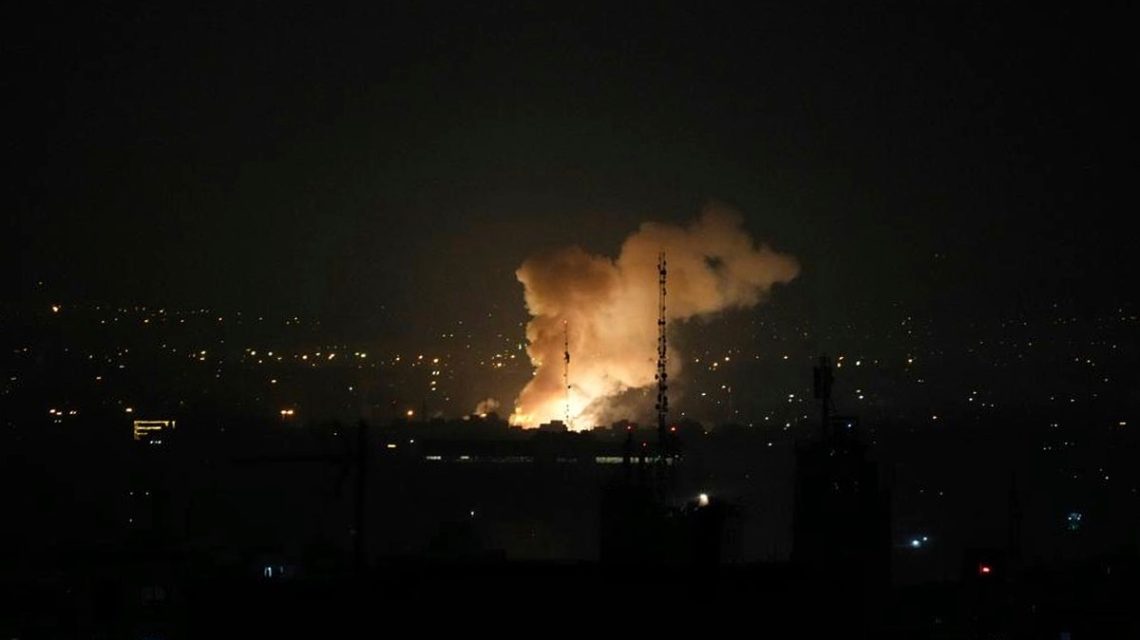
Peace negotiations between Iran and Israel remain stalled following recent military exchanges. Fox News correspondents Max Gorden and Lucas Tomlinson cover President Donald Trump’s push for a ceasefire and ongoing discussions as covered in ‘America Reports.’
President Donald Trump continues to express optimism about reaching a nuclear agreement with Iran, despite months of sluggish diplomacy and unresolved enrichment disputes. Trump stated post-NBA Finals at Madison Square Garden, “We’re in the final throes of what will be a very, very good deal,” anticipating an agreement in “two or three days.” This pattern of optimism has persisted despite a lack of visible progress between negotiating sides.
Although Trump has frequently indicated a deal is near, negotiations remain deadlocked over issues like uranium enrichment and sanctions relief. The administration emphasizes continued economic pressure on Iran, the delicate ceasefire, and potential high costs of renewed conflict.
TRUMP, NETANYAHU TO MEET AT WHITE HOUSE IN HIGH-STAKES TALKS ON IRAN, GAZA PLAN
In May, Trump declared the deal “largely negotiated,” subsequently indicating he was making a “final determination.” Former National Security Council official Michael Singh believes Trump’s optimistic approach is strategic, reflecting neither side’s eagerness to abandon diplomacy despite military exchanges.
The recent ceasefire announced by Trump on April 7 suggested progress, stating it would take two weeks to finalize the agreement. Yet, divisions persist over Iran’s nuclear program. Fresh military exchanges risk the fragile truce, prompting Trump to urge restraint. Both sides later signaled a wish to prevent broader conflict, with Netanyahu indicating a pause in hostilities and Iran refraining from further attacks.
WHY TRUMP, IRAN SEEM LIGHT-YEARS APART ON ANY POSSIBLE DEAL TO END THE WAR
Negotiations face core disagreements over Iran’s nuclear endeavors. Pressure on Iran, fueled by economic challenges, sanctions, and diplomatic strains, is seen as a potential catalyst for Iran reconsidering its positions. Miad Maleki, a former Treasury Department official, highlights Iran’s critical economic state amid enduring sanctions and leadership voids due to conflict.
The Trump administration maintains firm opposition to Iran’s uranium enrichment, arguing it risks potential weaponization. Talks also concern Iran’s enriched uranium stockpile. Pre-inspection estimates suggested 440 kilograms at 60% purity, nearing weapons-grade. Renewed skepticism surrounds prospects of a breakthrough due to strategic differences.
The conflict has had economic repercussions, elevating energy costs and disrupting shipping. Analyst forecasts suggest logistical recovery could extend into the year’s fourth quarter. A naval blockade remains enforced in the Strait of Hormuz.
The U.S. military enforces a naval blockade. (U.S. Central Command)
Domestic tensions between Trump and Netanyahu have surfaced publicly. Trump signaled Netanyahu would have “no choice” but to agree to a U.S.-brokered deal, indicating strategic differences.
Analysts argue the U.S. leverage, via military aid, influences Israeli decision-making. Ehud Eilam, a former Israeli Ministry of Defense researcher, acknowledged shared U.S.-Israel goals but divergent paths. Eilam noted the leverage from U.S. weapons transfers aids U.S. efforts to guide Israel’s stance toward Iran.
 Dutch Review Board’s Euthanasia Ruling and International Debate
 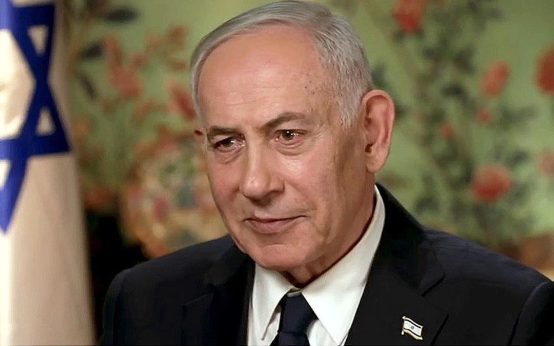 Israeli PM Commends Heroic Actions in Flight Emergency
  Rabbi and Jewish Leaders Criticize Adam Brody for ‘Genocide’ Comment
  Flydubai’s Emergency Landing Highlights Cockpit Security
 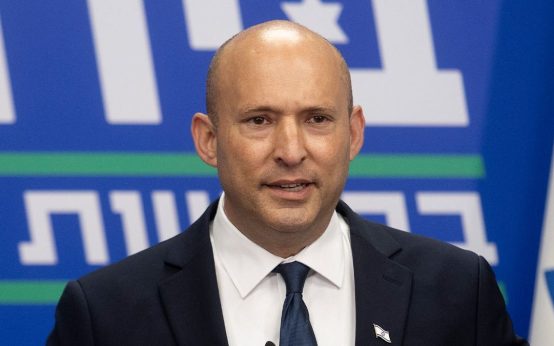 Former Israeli PM Naftali Bennett Commends Passengers and Crew for In-Flight Heroism
 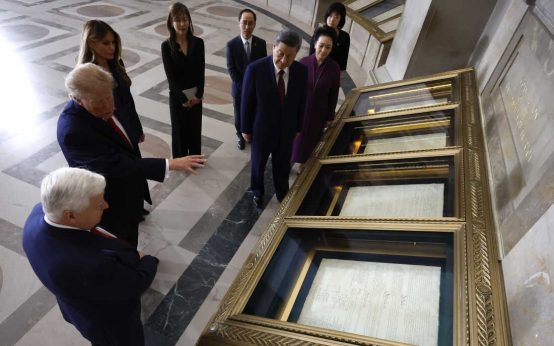 Diplomatic Complexities Unfold at U.S. National Archives Visit