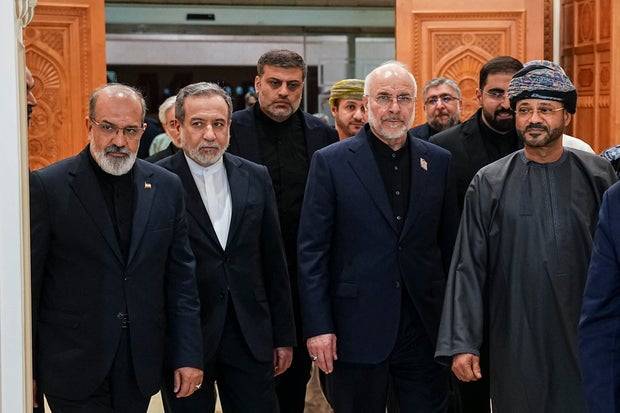
Iranian and U.S. representatives are set to convene in Qatar on Tuesday after a request from Tehran. President Trump confirmed the meeting but provided little information regarding its agenda. The dialogue comes after Iran threatened to halt negotiations with the U.S. following recent exchanges of military strikes between the two nations. Both countries agreed to momentarily pause the hostilities, testing the fragile ceasefire.
Additionally, Iran’s President announced plans for the country to receive $6 billion in frozen assets currently held in Qatar, as reported by Iranian state media. This asset release is part of the conditions outlined in the U.S.-Iran memorandum of understanding.
Iran and Oman Engage Over Strait of Hormuz Management
In a separate discussion, Iranian and Omani officials met for the first time regarding the management of the Strait of Hormuz. These discussions followed previous disagreements over tolls and routes through the strategic waterway. Both nations claim sovereignty over the strait.
Iran’s Deputy Foreign Minister Kazem Gharibabadi mentioned the discussions took place during a visit to Muscat, yet did not specify the exact date. The talks focused on reviewing current issues related to the strait and exchanging views on future management. The U.S.-Iran memorandum of understanding emphasizes dialogue with Oman to define future administration and maritime services for the strait. For a temporary period of 60 days, the strait will remain toll-free following the memorandum’s signing.
Oman has released mixed messages regarding its stance. A joint statement with Iran initially suggested examining the costs related to strait management; however, Oman later stated no passage fees would be implemented. Instead, a temporary maritime corridor would be opened in cooperation with the UN.
Iran’s Frozen Assets Questioned
Iran’s President disclosed plans for the release of $6 billion in Iranian resources frozen in Qatar. The president stated efforts are ongoing to recover the remaining funds, amounting to $12 billion. The U.S. has yet to confirm any release of assets. The unfreezing of these sanctioned assets is a requirement within the U.S.-Iran memorandum of understanding.
Tensions and Continued Talks
A U.S. official revealed to CBS News that talks with Iran would resume, allowing for unhindered movement of vessels through the Strait of Hormuz. Iran’s Deputy Foreign Minister, however, denied the planning of technical meetings for this week, despite reports from Reuters suggesting future talks in Doha.
Iran launched drones and missiles at U.S. assets in Bahrain and Kuwait recently, none of which reached their targets, according to a U.S. official. The official reported that the attacks were intercepted with no casualties or impacts on U.S. assets.
Israel-Lebanon Tension Despite Agreement
Meanwhile, Israel resumed attacks on southern Lebanon, Lebanese state media reported, even after a framework agreement to end hostilities was signed. The strikes occurred after an Israeli attack killed a person in the south, drawing criticisms and warnings from Hezbollah. The Israeli military reported continuing operations within the security zone according to the ceasefire agreement.
 British Police Arrest Man Suspected of Terror Plot
  Activists Push for Nationwide Ban on Child Marriage in the U.S.
  Investigation into Alleged Incident at Cornell University
  Rising Drone Threats Highlight Vulnerabilities in Moldova’s Airspace Defense
  Bolivia Faces Security Test Amid Unrest
 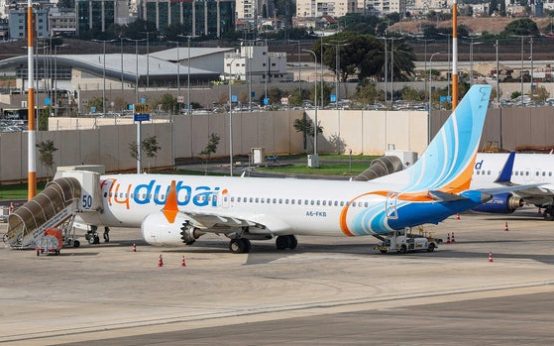 Incident on FlyDubai Flight Raises Security Concerns