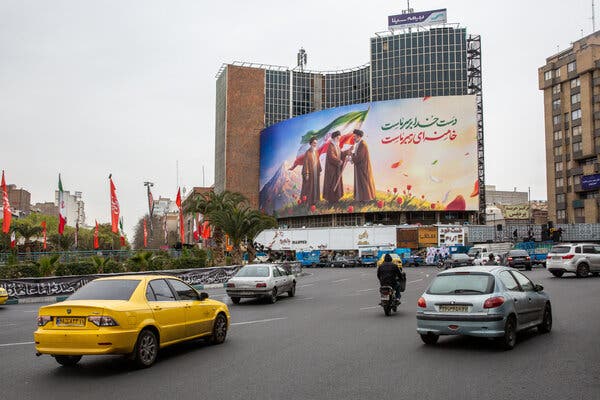
Decision making in Iran’s government involves a select group of men with connections to the Islamic Revolutionary Guards Corps (IRGC). This influential group includes key figures from the military fraternity that has long shaped Iran’s policies.
Ayatollah Ali Khamenei, Iran’s supreme leader for 37 years, was killed on February 28 during a conflict initiated by Israel. Following his death, his son, Mojtaba Khamenei, became his successor. Although Mojtaba, at 56 years old, now holds power, the transition is unlikely to match the influence once wielded by his father, who had decades of authority.
Experts observe that decision making in Iran goes beyond a single individual. A collective of elite figures, many of whom have backgrounds as senior commanders in the IRGC, plays a significant role. It isn’t the IRGC as an entity controlling the country but a core group of individuals with shared experiences from the Iran-Iraq war that lasted from 1980 to 1988.
The IRGC was established in 1979 to defend the revolutionary ideals and its leader. These commanders became generals at a young age, influenced by external support for Iraq during the conflict, leading to a belief that Iran needed self-reliance at any expense.
Beyond the war years, these figures assumed roles within Iran’s intelligence and security sectors. Many of them maintain personal connections with Mojtaba Khamenei due to his long tenure directing his father’s office. Considered among the most hard-line elements in Iran, they advocate for continuing the Islamic revolution through strict governance and control of state repression mechanisms.
 Rising Drone Threats Highlight Vulnerabilities in Moldova’s Airspace Defense
 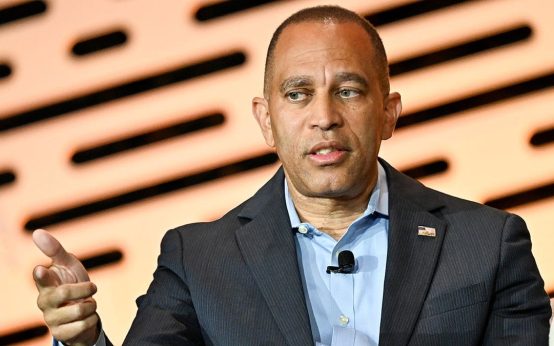 Upcoming Congressional Elections: Key Districts to Watch
 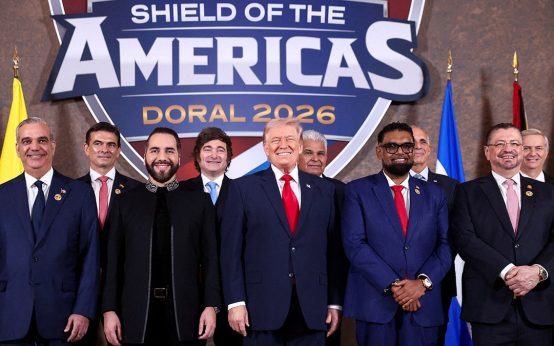 Bolivia Faces Security Test Amid Unrest
  President Trump’s Pre-Midterm Interview on Key Issues
 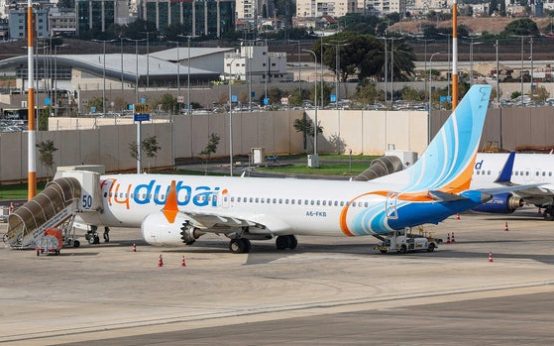 Incident on FlyDubai Flight Raises Security Concerns
 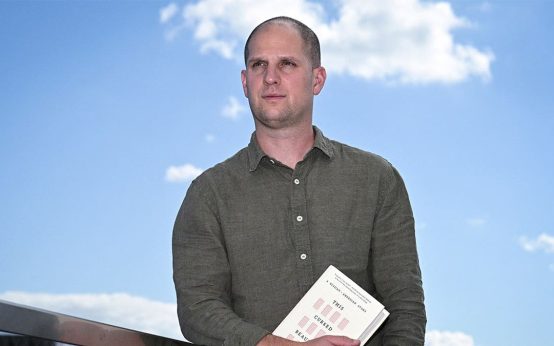 Journalist Gershkovich Discusses Wrongful Detention and Release in Russian Prisoner Swap