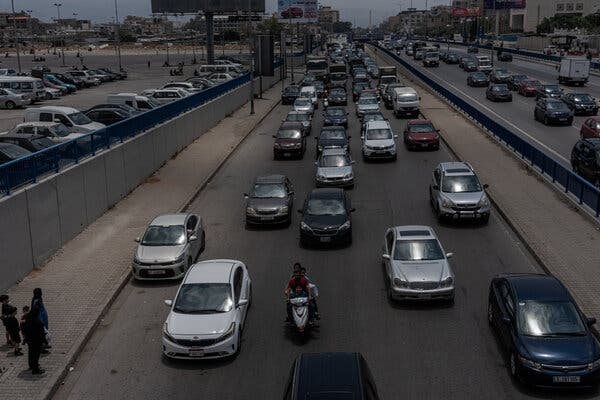
Lebanese residents in Beirut’s southern suburbs began evacuating after Israel expanded its military operations against Hezbollah. The situation escalated when Israeli Prime Minister Benjamin Netanyahu announced plans for strikes targeting Dahiya, a region known for its Hezbollah presence.
Netanyahu’s statement intensified fears that a fragile cease-fire, effective since early April between Israel and Hezbollah, was at risk of unraveling. Roads were congested with people fleeing the area, turning evacuation into a grim routine for many who have endured nearly three years of intermittent conflict.
Zahra Khomasi, a 43-year-old resident, described the repetitiveness of evacuations. “I lost count of how many times I’ve evacuated,” she said while sitting in her car on the outskirts of Dahiya. Khomasi and her children have been among many forced to relocate multiple times amid ongoing hostilities.
Although a temporary cease-fire took effect in Lebanon in November 2024, clashes persisted in various regions. These sporadic and continuous outbreaks of violence further push residents into uncertainty.
 The Threat of Melting Glaciers: A Call to Action
  Police Discover Ancient Roman Artifacts Off Sardinian Coast
 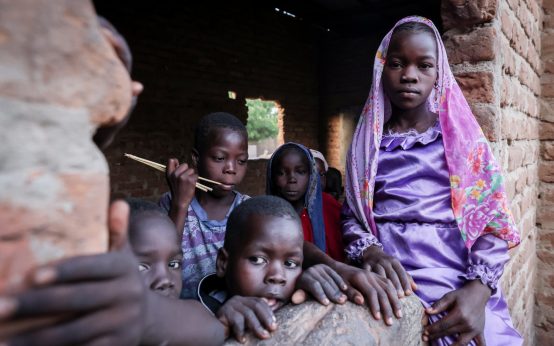 Urgent Need for Action in East Africa’s Food Crisis
  Suspected Plague Death in Siberia Sparks Health Measures
  G7 Nations Agree to Release 100 Million Barrels of Oil Amid Fuel Price Surge
  Co-Pilot Attempts Hijack on Flight to Tel Aviv