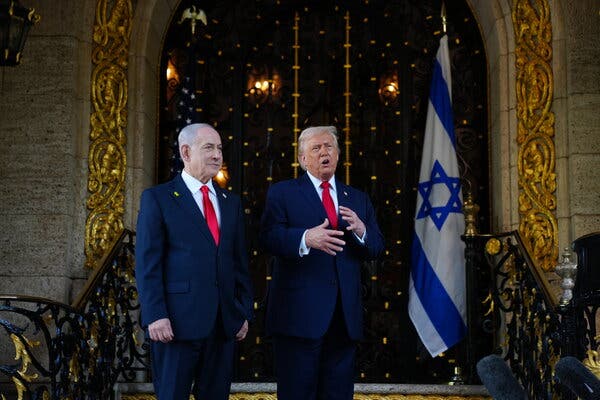
In recent developments, Israel has found itself largely excluded from peace discussions following its involvement in the conflict with Iran. This has been a humbling experience for Prime Minister Benjamin Netanyahu and poses significant risks for the nation.
Prior to the attack on Iran on February 28, Prime Minister Netanyahu was actively participating in discussions with President Trump. He expressed confidence that a joint U.S.-Israeli military strike might lead to dismantling the Islamic Republic. However, after those optimistic predictions did not materialize, the circumstances changed drastically.
Two Israeli defense officials have noted that Israel was marginalized in the truce talks between the United States and Iran. The Israeli leadership, starved of information from their key ally, had to rely on their connections with regional leaders and diplomats, as well as their intelligence inside Iran, to stay informed about the negotiations.
This exclusion could have significant implications for Israel, particularly for Prime Minister Netanyahu, who is facing a challenging re-election campaign. He has long portrayed himself as having a close relationship with President Trump, claiming to communicate frequently to exchange ideas and make joint decisions.
Netanyahu had taken Israel to war in February with the objective of halting Iran’s nuclear ambitions — a goal he has pursued for many years. The initial success of the campaign, which involved a significant disruption of the Tehran government, appeared to bring them closer to potentially overthrowing the regime.
 The Threat of Melting Glaciers: A Call to Action
  Police Discover Ancient Roman Artifacts Off Sardinian Coast
  Urgent Need for Action in East Africa’s Food Crisis
  Suspected Plague Death in Siberia Sparks Health Measures
 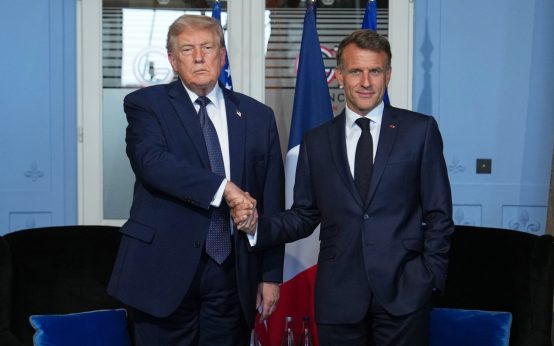 G7 Nations Agree to Release 100 Million Barrels of Oil Amid Fuel Price Surge
  Co-Pilot Attempts Hijack on Flight to Tel Aviv