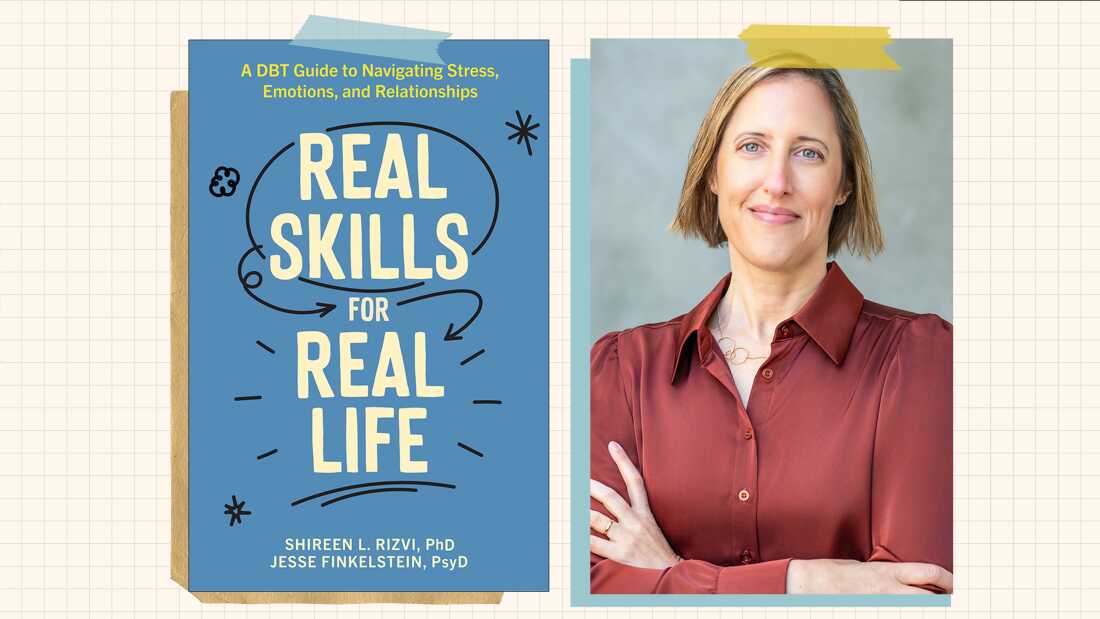
Shireen Rizvi, a professor of psychiatry and behavioral sciences, co-authored the book Real Skills for Real Life: A DBT Guide to Navigating Stress, Emotions, and Relationships. This guide, co-written with clinical psychologist Jesse Finkelstein, aims to help individuals manage distress using skills from dialectical behavior therapy (DBT).
During distressing times, people often react with unhealthy behaviors. According to Rizvi, these reactions occur because of difficulties in tolerating discomfort. Instead, individuals can learn to accept distress and respond more effectively.
The book includes visual tools like decision trees for conflict resolution and infographics for mindfulness. DBT, originally developed by psychologist Marsha Linehan, is not only for those with complex mental health issues; it offers benefits across various problems.
TIP: Techniques for High Distress
Rizvi introduces a set of techniques known as TIP: Temperature, Intense Exercise, Paced Breathing, and Paired Muscle Relaxation. Use these methods when distress prevents clear thinking.
- T: Lower Your Temperature
Fill a bowl with cold water and ice. Take a deep breath and submerge your face partially while holding your breath. This triggers the mammalian dive reflex, slowing your heart and respiratory rate. Note: Not recommended for those with heart conditions. - I: Intense Exercise
Engage in activities like running stairs or jumping jacks to quickly raise your heart rate. After stopping, your heart rate decreases, promoting calmness and releasing endorphins. - P: Paced Breathing
Breathe in for four counts and out for six. This technique reduces heart rate and emotion intensity, counteracting stress-induced hyperventilation. - P: Paired Muscle Relaxation
Systematically tense and release muscles while associating relaxation words like “calm.” This results in greater relaxation.
Understanding that distress is temporary is crucial. Rizvi emphasizes that no matter how intense feelings are, they will pass. It’s important to learn and utilize these skills to better navigate through challenging emotions.
 Early Detection of Atherosclerosis and Heart Disease Prevention
  Church Attendance Linked to Increased Sexual Satisfaction for Married Couples
  Dining with Loved Ones May Benefit Blood Sugar Levels
  Urgent Need for Action in East Africa’s Food Crisis
  Facing Terminal Illness: Embracing Life’s Moments
  Eating with Partners May Impact Blood Sugar Regulation