
Texans across the state received advisories to limit vehicle use on Monday after the National Weather Service issued air quality alerts. These alerts are targeted at regions including Dallas-Fort Worth, Houston, Galveston, and Brazoria. The warnings highlight a likelihood of increased ozone levels, a harmful pollutant.
The public is urged to help decrease ozone pollution by adopting measures such as carpooling, walking or biking, bringing lunch from home, avoiding drive-through lanes, conserving energy, and ensuring regular vehicle maintenance. The alerts coincide with the issuance of Ozone Action Days for these areas. The timing of these days aligns with periods when elevated ozone levels are most probable.
Forecasters determine whether ozone levels could hit or surpass the EPA’s AQI Level Orange threshold, characterized by an eight-hour average of 71 parts per billion or a one-hour average of 125 ppb per area, as noted on the Take Care of Texas website. These decisions are based on historical weather records, ozone monitoring, and predictive modeling from Texas Commission on Environmental Quality (TCEQ) meteorologists. Upon declaring an Ozone Action Day, the TCEQ collaborates with the National Weather Service to disseminate the alerts.
Understanding Ozone
Ozone is a secondary pollutant formed through chemical reactions, not emitted directly from sources. According to AccuWeather meteorologist Brandon Buckingham, these reactions require sunlight and higher temperatures, making summer months more prone to ozone creation. This pollutant forms when the air is stagnant, as pollutants fail to disperse and ozone levels can become unhealthy.
Often termed as smog, ozone exists in the atmosphere as stratospheric or ground-level. Stratospheric ozone naturally resides in the Earth’s upper atmosphere, forming a shield against harmful ultraviolet solar rays. Ground-level ozone, however, results from chemical interactions between nitrogen oxides and volatile organic compounds under sunlight exposure. The Environmental Protection Agency (EPA) indicates that sensitive populations, such as individuals with asthma, older adults, children, and outdoor workers, face the highest risk from ground-level ozone exposure.
Depending on exposure levels, ozone can provoke coughing, sore or scratchy throats, difficulty with deep breathing, and even pain during such breaths. It can also inflame and damage airways, heighten infection susceptibility, exacerbate existing lung conditions like asthma, emphysema, chronic bronchitis, and increase asthma attack frequency.
How the EPA Measures Air Quality
The Air Quality Index (AQI) is the EPA’s tool for measuring air quality nationwide. This scale assesses air quality from 0 to over 301, categorizing risk levels from good to hazardous:
- Green—Good (0 to 50): Air quality is satisfactory, posing little to no risk.
- Yellow—Moderate (51 to 100): Air quality is acceptable, although the sensitive population may be at risk.
- Orange—Unhealthy for Sensitive Groups (101 to 150): Health effects may emerge for sensitive groups, while the broader public may remain unaffected.
- Red—Unhealthy (151 to 200): Some health effects might arise for the general public, with more serious effects for sensitive groups.
- Purple—Very Unhealthy (201 to 300): Health alert indicating increased risk for everyone.
- Maroon—Hazardous (301 and higher): Emergency conditions where health impacts are more likely to affect everyone.
Update, 5/25/2026, 5:30 a.m. ET: This article was updated with additional information.
 California Bans Child Marriage, Protecting Minors
 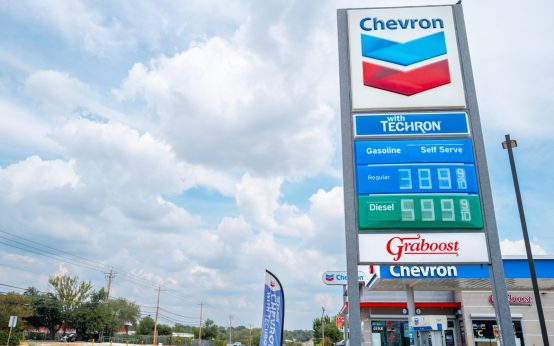 U.S. States Extend Gas Tax Waivers Amid Rising Fuel Costs Due to Iran Conflict
  Historical Events in Chicago on October 1st
  Swiss Glaciers Show Effects of Ice Loss Amid Global Warming
  Climate-Resistant Rock Glaciers: Hidden Water Resources
  Patrick McEnroe Advocates for Collegiate Athletic Reform