The Traditional Path of Reputation Recovery
In the 2010s and early 2020s, the method for dealing with public backlash was well-established. Celebrities faced criticism online, issued apologies, participated in controlled interviews, stepped back from the public eye, and then tried to rebrand themselves. Grayce McCormick, founder of Lightfinder PR, told Newsweek that this process followed a “predictable sequence” aiming to show remorse and demonstrate personal change. Redemption tours were common among celebrities and politicians seeking to regain support.
Recent trends suggest this traditional approach may be losing its impact. Certain public figures ignore the usual rehabilitation steps and continue to thrive professionally despite criticism.
Changing Strategies in 2026
The understanding used to be that staying silent allowed others to control the narrative. Public figures were therefore advised to be proactive. Now, some choose not to apologize or attempt reconciliation with critics. They focus on retaining the support of their core audiences instead.
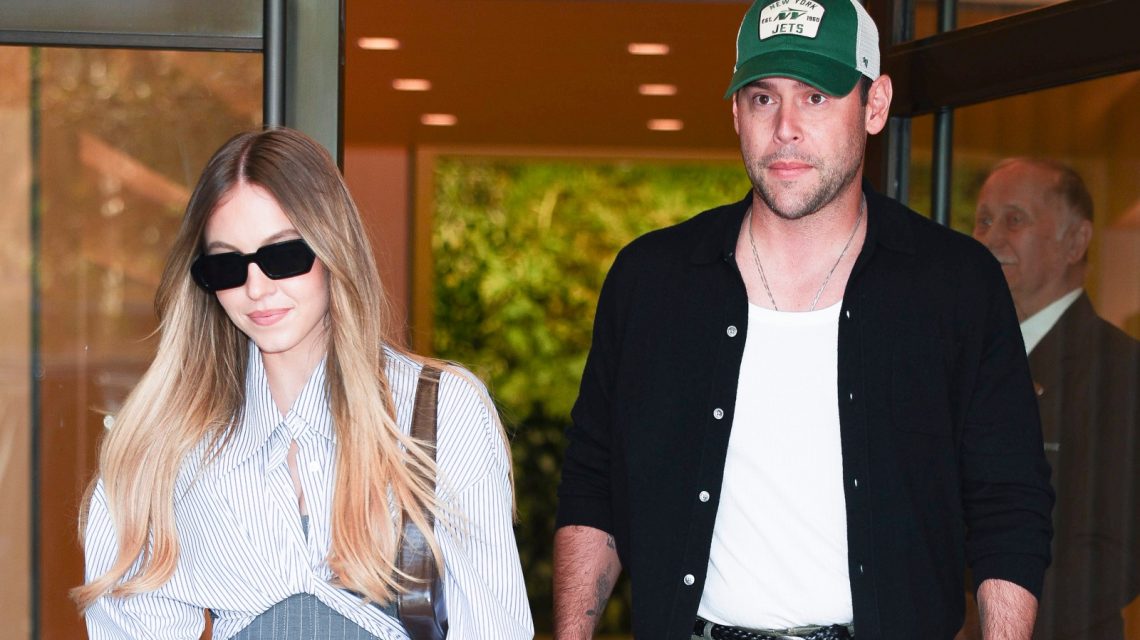
Actress Sydney Sweeney and former talent manager Scooter Braun exemplify this shift. Despite facing backlash, neither has engaged in traditional redemption efforts. Their commercial influence remains unaffected.
Sydney Sweeney and Scooter Braun as Examples
Sweeney and Braun reportedly met at Jeff Bezos and Lauren Sánchez’s wedding in June 2025 before confirming their relationship. Sweeney is well-known for her role as Cassie in HBO’s Euphoria and continues as the face of American Eagle, despite last year’s controversy over the “great jeans” campaign. Online debates have not diminished her commercial appeal.
Braun gained prominence as a manager for artists like Justin Bieber and Ariana Grande. His acquisition of Big Machine Records in 2019 gave him Taylor Swift’s master recordings, resulting in long-standing criticism. In a recent interview, Braun claimed, “I didn’t know Taylor Swift,” despite being labeled “a villain.” His relationship with Sweeney has increased his visibility over the past year, even as he remains publicly silent.
This raises a central question: Is cancel culture losing its power, or are the responses to it evolving?
Changing Dynamics of Public Backlash in 2026
McCormick suggests that Sweeney and Braun’s cases illustrate an evolution, though not the disappearance, of cancel culture. They are not focusing on convincing critics to accept them. Instead, they prioritize their work and allow the public to judge the relevance of the controversies.
Part of the shift may be attributed to “outrage fatigue.” Audiences are evaluating controversies based on context, intent, and severity rather than automatically reacting to online backlash. The fast turnover in news cycles also plays a role, as stories that once lasted months now vanish in days.
A 2025 YouGov poll found 51% of respondents believed cancel culture had gone too far, while only 13% considered it proportionate.
New Rules for Reputation Management
Historically, public figures used apologies and confessional interviews to mend reputations. Now, some choose a different approach: remain focused on their work, avoid excessive explanations, and leave audiences to decide the significance of controversies.
“Authenticity” is crucial, as audiences can distinguish between genuine apologies and those lacking sincerity.
Consistency appears more important than redemption alone. Vulnerability and humaneness are key to recovery. Doubling down often worsens situations instead of correcting them.
Brands and Controversy
Brands are also adapting to these changes. Controversy does not automatically harm them. Instead, it can increase visibility and drive sales. For instance, Sweeney’s “great jeans” campaign for American Eagle sparked backlash yet coincided with a 25% surge in the company’s stock price.
McCormick notes that not all controversy helps. Serious ethical failures can still cause long-lasting damage. However, companies now distinguish between temporary backlash and true consumer rejection.
Public perception remains significant. Universal approval is unnecessary if a brand maintains credibility with its key audiences. Hence, traditional apology tours are becoming strategic decisions rather than mandatory steps.
Conclusion: Evolution of Cancel Culture
Cancel culture persists but is transforming. Public figures still face scrutiny and possible setbacks. Experts note a shift in managing controversies and question the influence of online backlash today. The evolving landscape prompts reconsideration of whether celebrities require redemption tours to survive cancellation at all.
 Midwest Underground Railroad Network Gains National Recognition
  Art Collective Critiques Administration with Mall Installation
  American Hagwon: A Tale of Family and the Korean Diaspora
  Volunteer Enthusiasm Shines at Frank Lloyd Wright Home and Studio
  Bible’s Role in Times of War
  Arrival of Giant Pandas in Atlanta Marks Historic Agreement