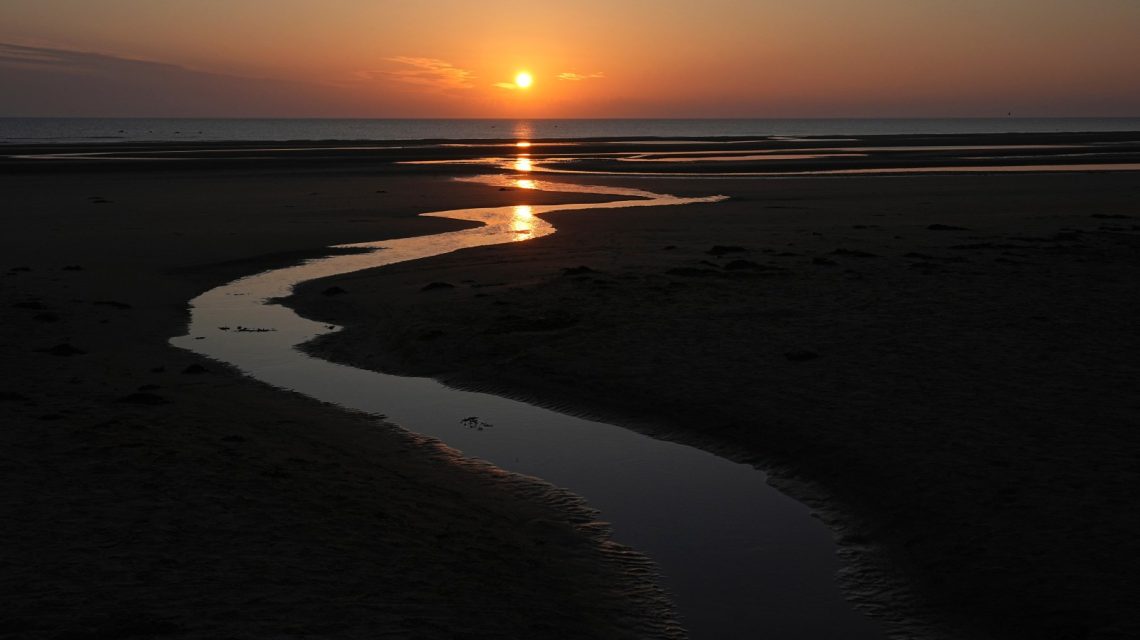
The beaches of Normandy, where the Allied forces conducted the D-Day invasion during World War II, have now been added to UNESCO’s World Heritage List. This prestigious list also includes Greece’s Mount Olympus and several other sites of cultural and environmental importance. These designations were approved during a meeting of the UNESCO World Heritage Committee in Busan, South Korea, where delegates review nominations globally. The new listings highlight locations with exceptional cultural, historical, or natural value, ensuring long-term preservation efforts.
Normandy Beaches: A Historical Milestone
Among the prominent additions are the Normandy landing beaches: Omaha, Utah, Sword, Gold, and Juno, as well as Pointe du Hoc, a key assault site. These sites were central to the pivotal military operation in modern history on June 6, 1944. Over 150,000 Allied troops landed in Normandy on D-Day, beginning a campaign that played a crucial role in liberating Western Europe from Nazi control.
The International Council on Monuments and Sites (ICOMOS) evaluates nominations for the heritage committee. They emphasized that the Normandy sites hold extensive evidence of the landings, including German fortifications, landscape damage, harbor infrastructure, and sunken vessels. ICOMOS describes these sites as emblematic of the return to freedom and peace on the European continent. However, they also warned of preservation challenges like tourism pressure, climate change, and nearby development projects. Stronger conservation measures are needed to maintain these sites’ historical integrity.
Mount Olympus: A Mythological and Natural Treasure
Mount Olympus, Greece’s highest mountain and the legendary home of the 12 Olympian gods, also received the World Heritage designation. This recognition concludes a 12-year campaign by Greek authorities to classify the site as a mixed cultural and natural heritage landscape. Rising to 9,573 feet, Mount Olympus is celebrated for both its mythological significance and its rich biodiversity.
Evangelos Geroliolios, mayor of Dion-Olympus, expressed optimism that UNESCO status will enhance conservation efforts and allow careful visitor management. Georgios Koumoutsakos, Greece’s delegate to UNESCO, reaffirmed the commitment to safeguard Mount Olympus for future generations.
Ancient Japanese Capitals Recognized
UNESCO also endorsed the ancient capitals of Asuka and Fujiwara in Japan’s Nara Prefecture. These sites date from the sixth to eighth centuries, marking Japan’s first centralized state and influence from Chinese governance models. The largely buried remains include royal palaces, administrative buildings, Buddhist temples, and tombs, shaping future imperial capitals.
Shigeki Kobayashi, Japan’s Vice Culture Minister, thanked the committee for the nomination and vowed ongoing preservation efforts. Archaeology professor Yoshiyuki Aihara highlighted the importance of these sites in understanding the early development of Japan’s state.
South Sudan Celebrates First World Heritage Addition
The Boma-Badingilo Migratory Landscape in South Sudan also gained recognition, marking the country’s first World Heritage Site. This area hosts one of Earth’s largest land mammal migrations, including white-eared kob, tiang, and Mongalla gazelles. The ecosystem supports elephants, lions, cheetahs, and other species.
UNESCO notes the site’s significance in sustaining local communities dependent on herding, farming, and fishing. This recognition could attract international support for conservation in a region facing environmental and economic challenges.
Significance of UNESCO Designations
Receiving UNESCO World Heritage status confers global recognition, encouraging tourism and enhancing preservation initiatives. Though it doesn’t automatically provide funding, it raises awareness and highlights the value of culturally and historically important sites worldwide. The committee’s ongoing meeting in Busan may see additional sites considered for inclusion on the list. For the newly designated locations, UNESCO status calls for both international recognition and the challenge of preservation for future generations.
For more information, contact Newsweek editors: Anthony Murray.
 Police Discover Ancient Roman Artifacts Off Sardinian Coast
  Urgent Need for Action in East Africa’s Food Crisis
  Suspected Plague Death in Siberia Sparks Health Measures
  G7 Nations Agree to Release 100 Million Barrels of Oil Amid Fuel Price Surge
  Co-Pilot Attempts Hijack on Flight to Tel Aviv
  U.S. Revises Global Health Aid with New Strategy