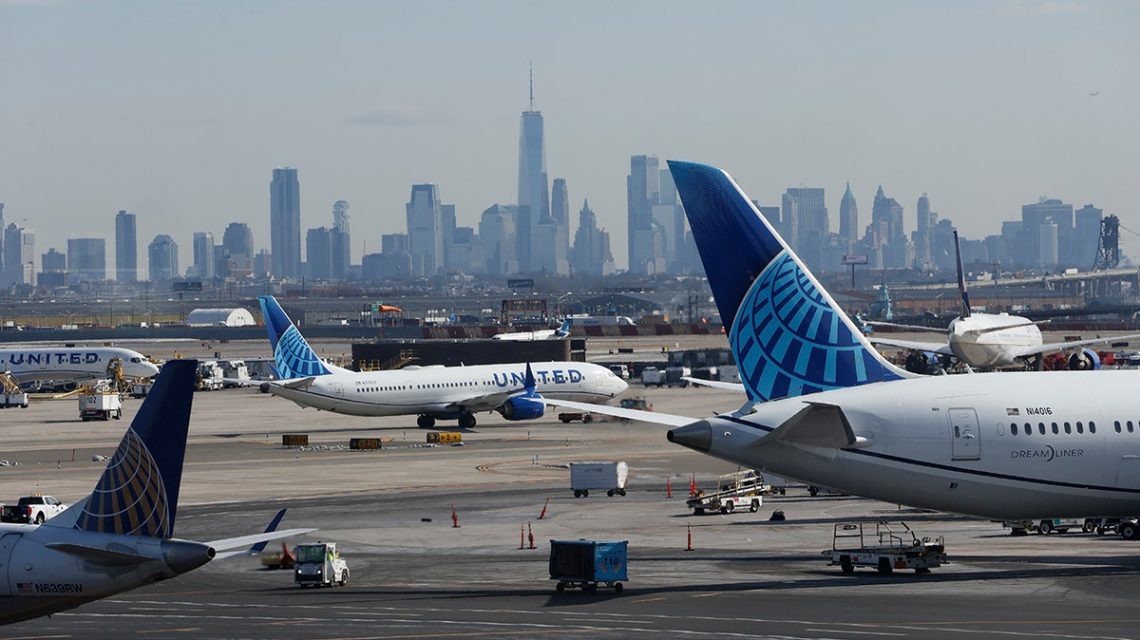
This summer, countless Americans are gearing up for travel, with airports bustling as people embark on vacations, family visits, and adventures. Passengers will move through security, terminals, and finally settle into their seats aboard flights. Throughout this journey, they place their trust in the aviation system’s layers of protection.
The U.S. aviation system is renowned as the safest in the world, thanks to skilled pilots, rigorous training, stringent standards, and coordinated efforts to identify potential risks before they escalate. However, increased air traffic, system complexity, and aging infrastructure are exerting pressure. Newly identified gaps in safety technology add further concern.
While passengers seldom witness the comprehensive spectrum of air safety operations, pilots experience it constantly. They bear the responsibility and authority to ensure flight safety, which includes delaying, canceling, diverting, or aborting flights when necessary. Pilots assess weather, fuel, alternate airports, and risks, maintaining vigilance until the aircraft safely arrives at the gate.
“Warning signs were all there,” said a former air traffic controller regarding a deadly mid-air collision in DC.
Recent incidents have highlighted the aviation system’s strain: midair collision near Washington National Airport, runway collision at LaGuardia, near misses, and issues with air traffic control staffing. These developments signal that the system is stretched.
Addressing this risk demands ongoing investment in technology, infrastructure, and personnel. Modernizing air traffic control systems, replacing aging equipment, and training sufficient controllers are essential. Congress allocated funds for air traffic control modernization recently, but continuous funding is vital for meeting demands.
Strengthening safety also involves equipping pilots with advanced technology on the flight deck. The House’s ALERT Act initiated steps following the Washington crash, yet further action is necessary. Consensus calls for uniform real-time tracking and alerting technology across all aircraft in busy airspaces.
Currently, major U.S. airports require commercial aircraft to use ADS-B Out, broadcasting real-time data on location and speed. However, ADS-B In, which enables pilots to see nearby aircraft data on screens, is not mandatory. This gap worsens when military and other government aircraft are exempt from transmitting vital data.
Video captures moments before Frontier Airlines jet’s runway incident in Denver.
An aviation safety bill should mandate a comprehensive ADS-B In suite, extending beyond ALERT Act limits. The ROTOR Act requires this suite, offering pilots better visibility and timely alerts about potential collisions. With fewer exemptions and strict deadlines, the ROTOR Act aims to prevent incidents like the DC collision.
When effective technology exists, partial solutions are inadequate. Continuous investment in technology and infrastructure is crucial for maintaining aviation safety. Warning lights prompt pilots to act rather than indicate inevitable disasters. Therefore, amid summer travel peaks, Congress should enhance safety measures by leveraging insights from those facing industry pressures.
Lawmakers should adopt favorable components from both ROTOR and ALERT Acts. Capt. Jason Ambrosi, president of the Air Line Pilots Association, International, advocates for improved safety across the aviation system.
 Reviving Conventional Wisdom: Tracking Political Figures and Forces
  Aaron Sorkin’s New Film Sparks Debate on Free Speech and Tech Regulation
  Accountability Across Boundaries
  Reflecting on a Career at Fox News
  Accountability in Politics: A Call for Reform
  Candy Thompson’s Journey From Feminism Back to Christianity