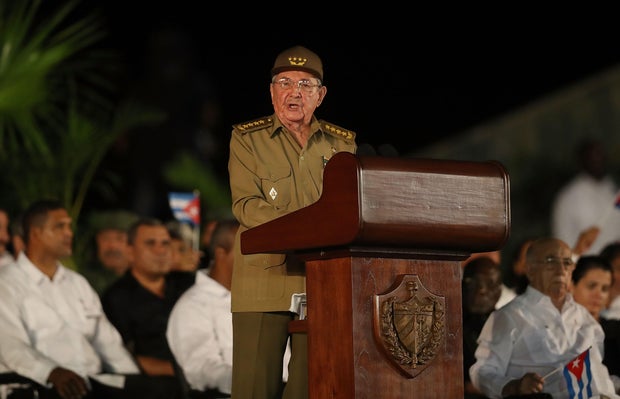
In recent months, the political landscape between the U.S. and Cuba has shifted significantly. Following a swift military operation that removed Venezuelan leader Nicolás Maduro, President Trump has hinted at a similar approach for Cuba. He has mentioned possibilities of ‘taking Cuba in some form’ and expressed desires for profound changes in Cuba.
U.S.-Cuba Relations and Sanctions
For years, the U.S. has implemented sanctions aimed at pressuring Cuba’s communist government to reform. Despite these efforts, changes have been minimal, and Cuba faces deep economic issues, exacerbated by a severe oil blockade imposed by the Trump administration post-Maduro removal. This blockade has led U.S. officials to engage with Cuban figures to encourage both economic and political reforms.
Trump’s Vision for a ‘New Dawn’ in Cuba
President Trump has voiced ambitions for a significant shift in Cuba’s leadership, likening it to the recent changes in Venezuela. His aspirations include realizing a ‘new dawn for Cuba,’ signaling potential high-level changes in the Cuban hierarchy, though specific outcomes remain uncertain.
Influential Cuban Figures
Raúl Castro
Raúl Castro, Fidel Castro’s brother, is viewed as a critical figure, despite stepping down from the presidency in 2018 and the Communist Party leadership in 2021. Now indicted in the U.S. for the 1996 downing of planes belonging to the Cuban exile group Brothers to the Rescue, he still wields considerable influence in Cuba.
Raúl played a major role in historical policy shifts, including the agreement with former President Barack Obama that led to significant openings in U.S.-Cuba relations, later reversed by Trump’s administration.
Miguel Díaz-Canel
As the first leader of Cuba not from the Castro lineage, President Miguel Díaz-Canel has served since 2018. Although leading the country, he is often seen as a figurehead without substantial authority, with projections that changes sought by the Trump administration may not occur under his leadership.
Oscar Pérez-Oliva Fraga
Deputy Prime Minister Oscar Pérez-Oliva Fraga, a Castro relative, has taken notable steps such as allowing Cubans abroad to invest in Cuban businesses. This potentially shifts economic directions significantly, symbolizing reformative actions that the U.S. may find promising. However, existing U.S. laws like the Helms-Burton Act pose significant barriers to lifting the long-standing embargo against Cuba.
Raúl Guillermo Rodríguez Castro
Known as “Raulito,” Raúl Castro’s grandson serves as a key advisor without an official government position. His role as a link between his grandfather and U.S. officials positions him as an essential figure in any potential negotiations.
Possibilities and Challenges
While the Trump administration hopes to adapt strategies used in Venezuela to Cuba, finding an equivalent leadership figure similar to Venezuela’s Delcy Rodriguez proves challenging. U.S. efforts appear focused on identifying Cuban leadership willing to enter productive dialogues, though tensions remain.
American University professor William LeoGrande highlights Cuban resistance to allowing external influences dictate their political structure or leadership, viewing such matters as critical to national sovereignty. Negotiations are likely to encounter resistance, especially around political system changes.
 British Police Arrest Man Suspected of Terror Plot
 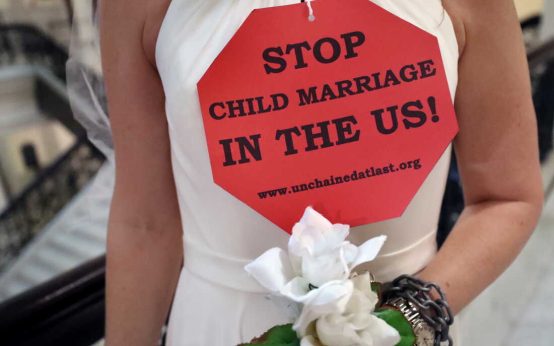 Activists Push for Nationwide Ban on Child Marriage in the U.S.
  Investigation into Alleged Incident at Cornell University
  Rising Drone Threats Highlight Vulnerabilities in Moldova’s Airspace Defense
 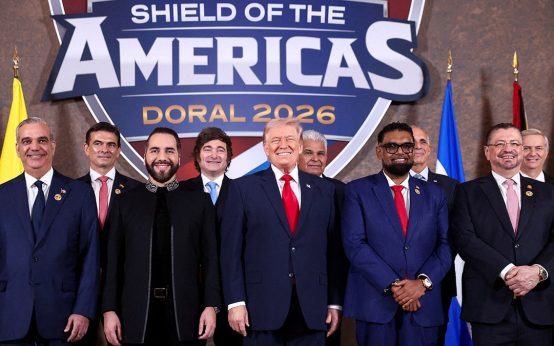 Bolivia Faces Security Test Amid Unrest
  Incident on FlyDubai Flight Raises Security Concerns