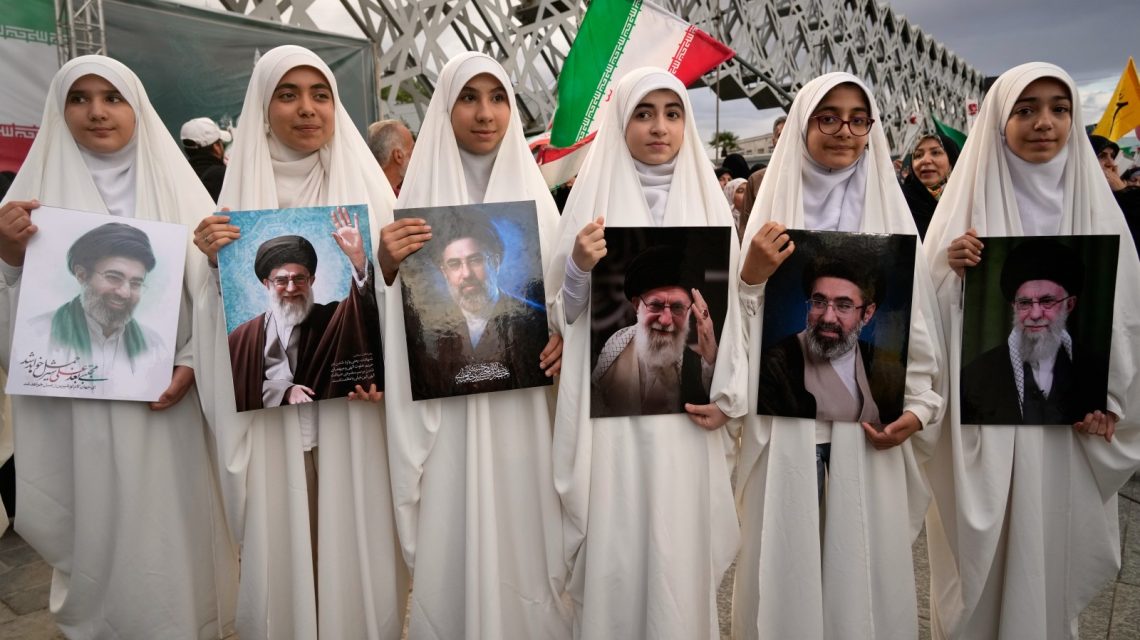
Nearly six months ago, the United States and Israel launched Operation Epic Fury, resulting in the death of Iran’s former supreme leader, Ali Khamenei. Changes have followed:
- Tehran has restricted access to the Strait of Hormuz
- Washington initiated Operation Economic Outcast to strain Iran’s economy
- Middle Eastern countries formed a defense pact
Despite these changes, Mojtaba Khamenei, the new Ayatollah, remains missing. Donald Trump asserted in a recent interview that he believes Mojtaba is not dead, though he was severely injured.
Comparing Father and Son
Mojtaba’s political prowess pales compared to his father’s. Ali Khamenei was a key revolutionary leader and close ally of Iran’s first Supreme Leader, Ruhollah Khomeini, helping to establish the Islamic Republic. As president, then supreme leader, he built the IRGC and secured vital alliances among Iran’s factions.
Mojtaba lacks this experience and control. He struggles to maintain influence over Iran’s IRGC and security services, critical during Iran’s conflict with major world powers. Tehran’s diplomatic activities and wartime strategies are now managed by key figures such as parliamentary speaker Mohammad Bagher Ghalibaf, Supreme National Security Council’s Dr. Mohsen Rezaei, and General Ahmad Vahidi, IRGC chief.
The Crisis of Leadership
Mojtaba’s presence is fading. He has issued minimal statements without public appearance or audio recordings. His absence at his father’s state funeral amplifies this perception. Tehran’s new leaders are comfortable with this situation, allowing them to shift political power from clerics to military figures.
Khosro Isfahani, from the National Union for Democracy in Iran, called Mojtaba an “impotent young cleric.” Isfahani believes the IRGC uses his name to legitimize actions. Andreas Krieg from King’s College noted that Iran now operates through a coalition of military and governmental bodies where the IRGC holds significant power.
Mojtaba’s Symbolic Importance
Mojtaba may bear more influence spiritually. Tehran can rally Shia Muslim support around him despite physical absence, akin to Shia beliefs regarding the Twelfth Imam. Tehran-based analyst Peiman Salehi explained this spiritual leadership is crucial for maintaining public backing and policy validity during economic pressures.
The current political landscape may shift power dynamics regardless of Mojtaba’s actual status. While this might inform intelligence strategies, Tehran’s governance is already evolving without him.
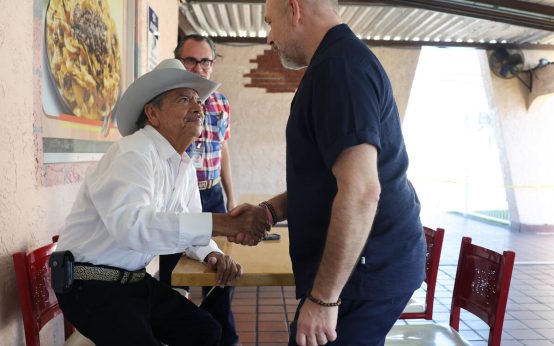 Steve Hilton’s Latino Outreach and Gubernatorial Ambitions
 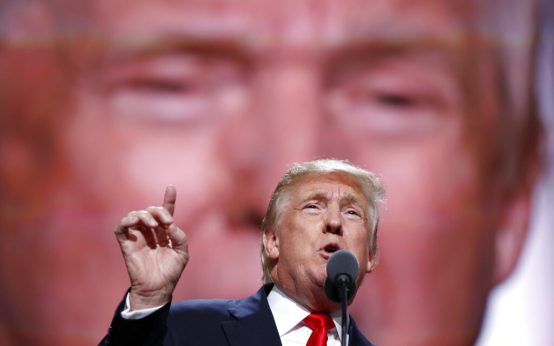 The Need for Reform in Presidential Nominations
 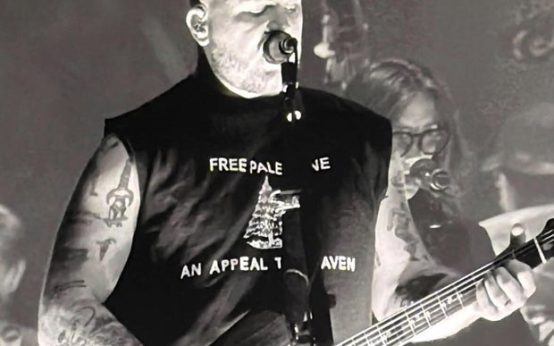 Controversy Surrounds Performances at Gillette Stadium
 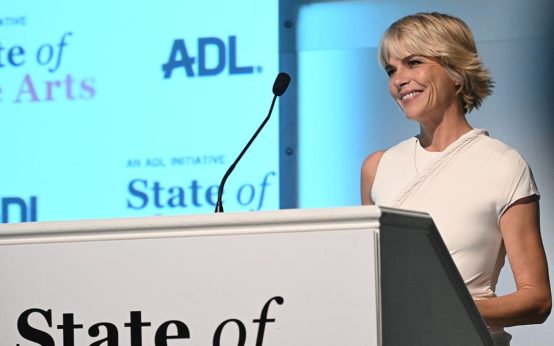 Celebrity Controversies Over Political Activism and Speech
  The Threat of Melting Glaciers: A Call to Action
 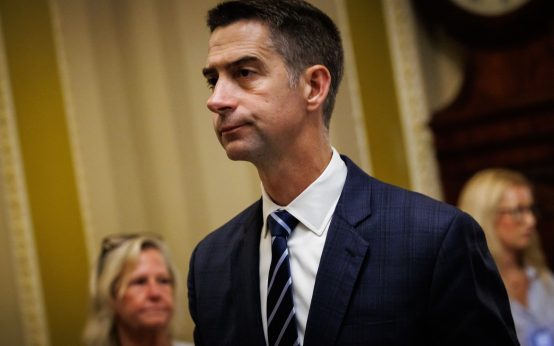 Trump Pushes for Permanent Daylight Saving Time, Sharing Senator’s Contact Information