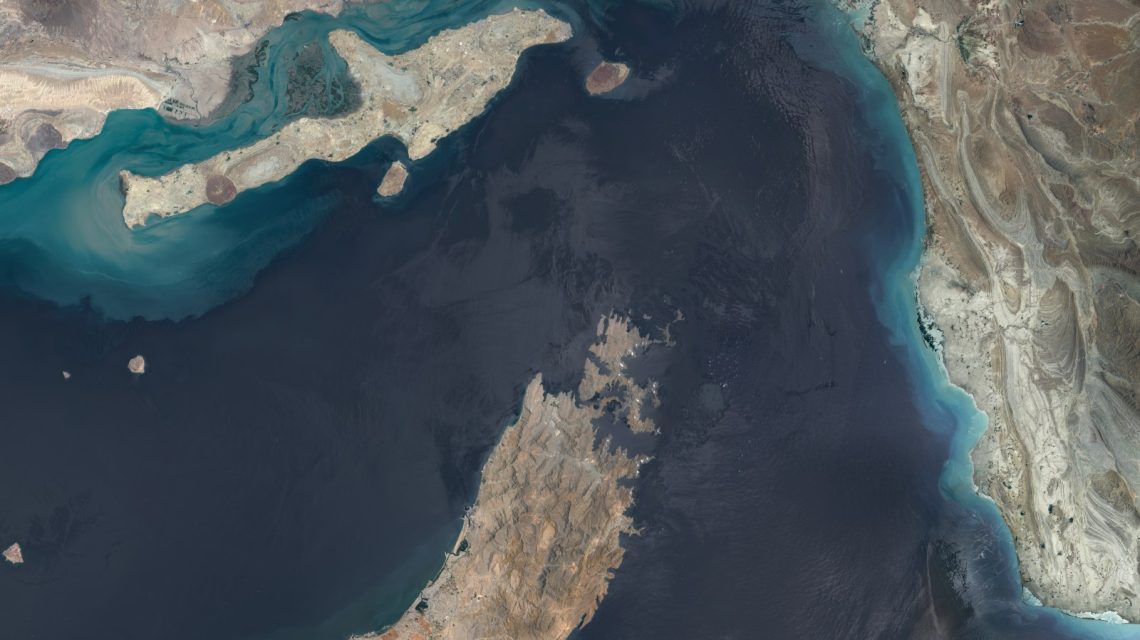
Strait of Hormuz Open Despite Challenges
The Strait of Hormuz, a significant waterway crucial for global hydrocarbon transit, has reopened following a recent U.S.-Iran agreement. President Donald Trump confirmed the opening despite ongoing disagreements over access.
Trump’s statement on Truth Social noted an increase in maritime traffic, but acknowledged it has not reached pre-war levels. Approximately one-fifth of the world’s hydrocarbons pass through this strategic passage, highlighting its importance.
A key component of the agreement to end hostilities with Iran included reopening the strait. However, shipping companies remain wary due to ongoing uncertainties and the potential presence of naval mines.
Nuclear Inspections as a Bargaining Chip
On Tuesday, Trump revealed Iran’s agreement to long-term nuclear inspections. He cited these inspections as a factor for initiating the conflict in late February. In response to concessions from Iran, Trump decided to keep the Strait of Hormuz open, with naval vessels on standby should blockade reinstatement become necessary.
Despite these agreements, Iranian media frames the developments as reinforcing their sovereignty over the strait. They assert ships must coordinate with Iran for safe passage, resulting from recent tensions with Israel.
Continuing Maritime Activity and Safety Measures
In the past few days, numerous vessels transited the strait, contradicting Iranian claims of its closure. Iran claimed Israeli ceasefire violations as the cause for their prior actions.
Iran plans to impose charges for strait passage, conflicting with international maritime laws. For now, the U.S.-Iran agreement ensures toll-free passage, lasting for 60 days, with future terms unclear.
Safety Protocols and International Cooperation
To mitigate misunderstandings, a hotline between U.S. and Iranian teams will be established. The aim is to ensure smooth vessel transit through this chokepoint.
Moreover, Iran and Oman have initiated discussions on strait management. Both nations affirm adherence to international law and support toll-free safe passage, signifying cooperative prospects for regional stability.
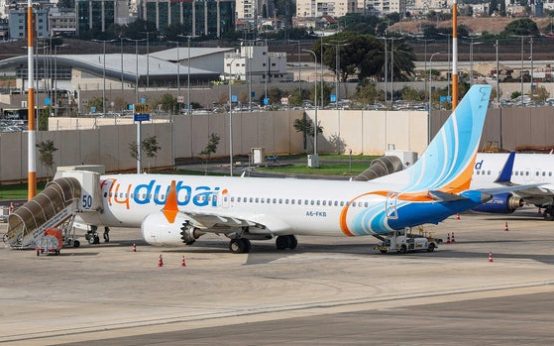 Incident on FlyDubai Flight Raises Security Concerns
  Journalist Gershkovich Discusses Wrongful Detention and Release in Russian Prisoner Swap
 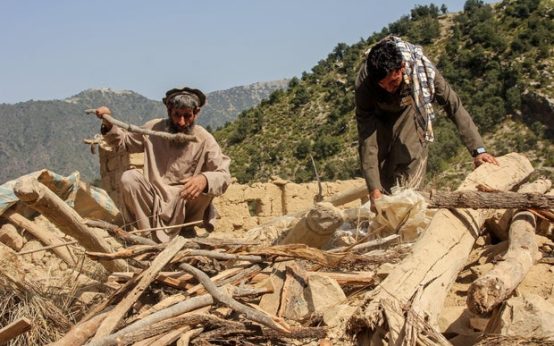 Pakistan Airstrikes in Afghanistan: Civilian Casualties Reported
 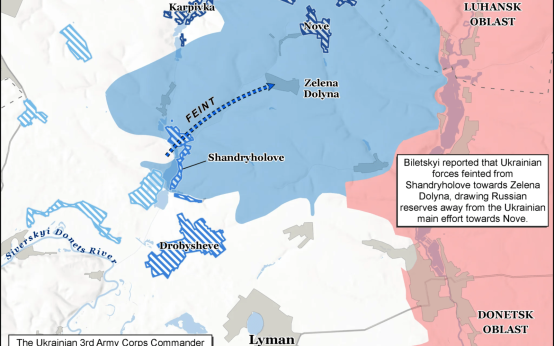 Ukraine Converts APCs to Explosive Devices in Donetsk Offensive
 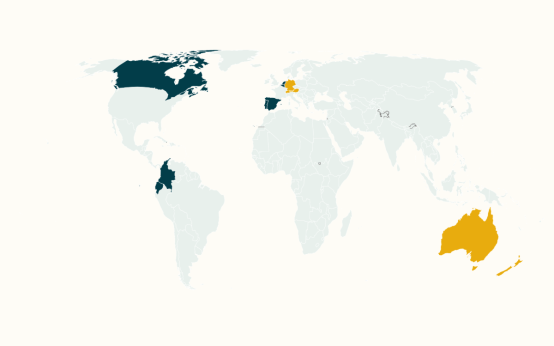 Dutch Review Board’s Euthanasia Ruling and International Debate
 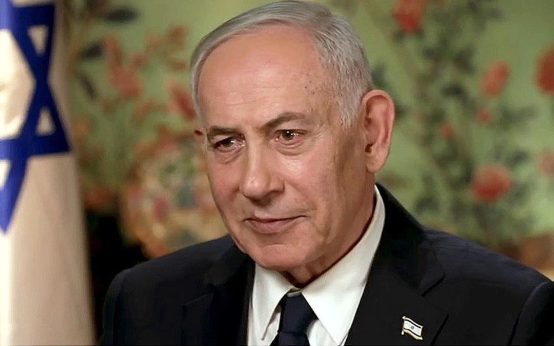 Israeli PM Commends Heroic Actions in Flight Emergency