The recent Supreme Court ruling in Mullin v Doe permits the Trump administration to proceed with plans to repatriate hundreds of thousands of temporary refugees from Haiti and Syria. This decision has spurred significant debate among Democrats across the nation. They argue that the core issue revolves around the term “temporary” in the context of temporary protected status for refugees, as well as what it truly entails for Americans providing support to these individuals.
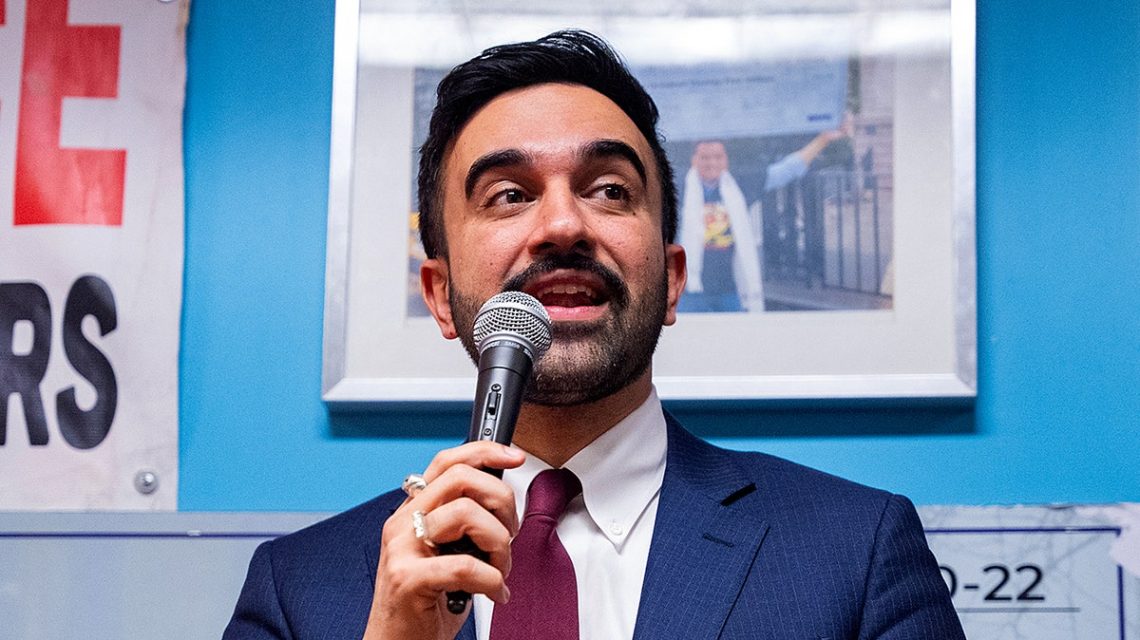
New York Mayor Zohran Mamdani criticized the ruling, stating, “The Supreme Court just sparked one of the largest attacks on immigrants in modern American history. In one fell swoop, thousands of Haitians and Syrians now risk losing the right to live and work in the country they call home.” This statement raises questions about the meaning of “home” in this context.
Understanding the distinction between refugees and immigrants is crucial, as their impacts on the native populations differ significantly. Immigrants often aim to assimilate, integrating into American culture, knowing their descendants will grow up here. Conversely, refugees possess the option to return to their homeland, hence the “temporary” aspect of their status.
In Springfield, Ohio, thousands of Haitians and Somalis live similarly to how they did at home, with taxpayer support. While business owners and organizations like the Chamber of Commerce and the Cato Institute view this favorably due to the availability of a taxpayer-subsidized workforce, locals express concerns. In 2024, some Springfield residents voiced that the influx of 20,000 foreigners in a town of 50,000 strained public schools and housing resources.
Rep. Brandon Gill criticized the allocation of temporary protected status. He noted that many Haitians receiving TPS had resided in countries like Brazil and Chile before coming to the U.S. He’s concerned that these individuals significantly altered cultural dynamics in midwestern towns like Springfield, sparking accusations of racism among objectors.
Temporary status, when prolonged for years or decades, hinders refugee assimilation. In contrast, places like Harrisonburg, Virginia, which admit about 200 refugees annually and provide language and job training, demonstrate effective integration.
The current system demonstrates a lack of structure, evident by the discontent among the native population over drastic changes to their communities. Under President Biden and the Democrats, temporary protective status has become akin to a gateway for amnesty, resulting in more government aid allocation. These individuals largely seek better lives, not safe refuge from immediate danger.
The Biden administration’s open border policies are seen as complicating rational immigration reform. Many citizens in Springfield believe their leaders prioritized cheap labor over community interests, culminating in frustration and support for Trump’s promises to curb such immigration.
 Cargo Plane Crash at Miami International Airport
  Maryland First State to Restrict Electronic Pricing in Grocery Stores
  Activists Push for Nationwide Ban on Child Marriage in the U.S.
  Marine Veteran Suing Oregon School District Over Curriculum Reimbursement
  Democratic Hopes and Historical Warnings in 2026 Senate Race
  Republicans Face Challenges Amidst Cost of Living Concerns