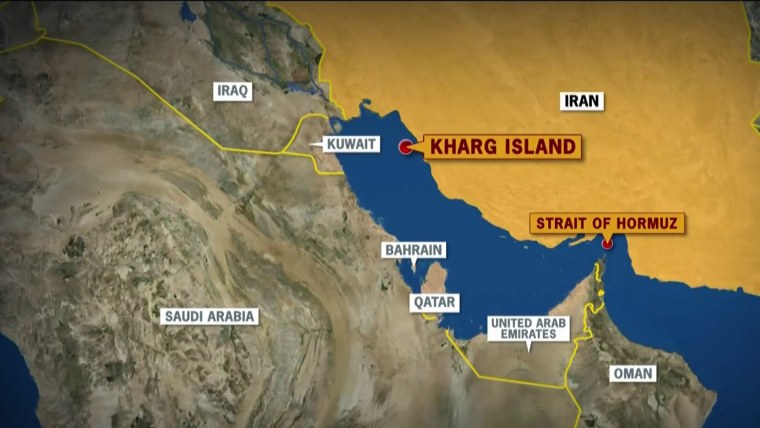
The Lebanese army evacuated a base in a southern Lebanese village on Saturday. This move followed the advance of Israeli forces in the area, according to a military official. Troops withdrew from the Kfar Tebnit barracks after a warning by the Israeli military to evacuate around 20 locations, including Nabatiyeh and nearby villages.
Lebanon’s National News Agency detailed airstrikes in the region, particularly in villages close to Nabatiyeh, on the same day. One airstrike in Deir al-Zahrani resulted in two fatalities. Nabatiyeh also faced artillery shelling.
A senior Lebanese military official, speaking anonymously, confirmed the withdrawal, indicating it followed an incursion by Israeli forces targeting the strategic Ali Taher hill. This location offers an advantageous view over Nabatiyeh and adjacent routes. Israeli forces maintained control of this hill for 18 years until their withdrawal in May 2000.
Earlier developments saw Israeli forces taking over a nearby strategic mountain featuring the historic Beaufort Castle. This marked their deepest push since 2000.
The escalation coincided with Pakistani Prime Minister’s announcement regarding a potential agreement between the U.S. and Iran aimed at concluding their conflict in the Middle East. Discussions, facilitated by mediators, focus on finalizing this agreement.
Iranian Foreign Minister Abbas Araghchi noted that both sides are nearing a preliminary agreement to cease hostilities, which would include Lebanon. Hussein Haj Hassan, a prominent Hezbollah leader, affirmed being informed by Iranian officials about Lebanon’s involvement in a forthcoming ceasefire deal.
Iran supports Hezbollah, providing extensive weaponry and financial aid over decades. Despite a ceasefire initiated on April 17, Israel and Hezbollah’s exchanges of attacks have persisted. The truce, although renewed multiple times, remains largely ineffective.
Israel continues its occupation of southern Lebanon, clashing with Hezbollah forces and causing civilian casualties and infrastructure damage. Not part of the ceasefire between Israel and Lebanon, Hezbollah conducts frequent rocket and drone assaults.
The ongoing Israel-Hezbollah conflict started on March 2, following Hezbollah’s rocket attack on northern Israel, a response to the U.S. and Israel’s prior attacks on Iran.
Lebanese health authorities report over 3,700 casualties from recent violence. Israeli figures from Prime Minister Netanyahu’s office list 30 military personnel and a defense contractor killed near southern Lebanon, alongside two civilian deaths in northern Israel.
 Dutch Review Board’s Euthanasia Ruling and International Debate
 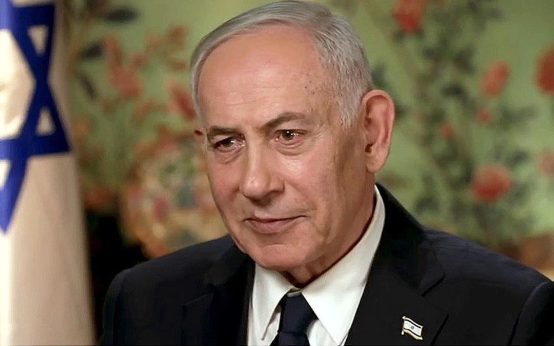 Israeli PM Commends Heroic Actions in Flight Emergency
  Rabbi and Jewish Leaders Criticize Adam Brody for ‘Genocide’ Comment
  Flydubai’s Emergency Landing Highlights Cockpit Security
 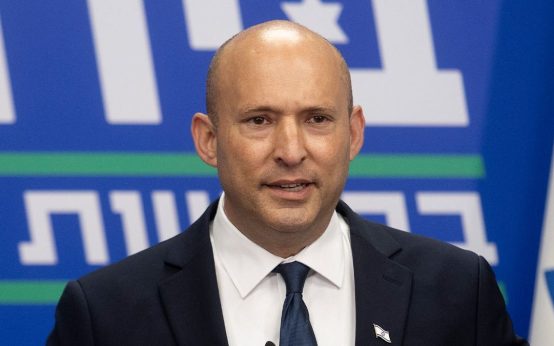 Former Israeli PM Naftali Bennett Commends Passengers and Crew for In-Flight Heroism
  Diplomatic Complexities Unfold at U.S. National Archives Visit