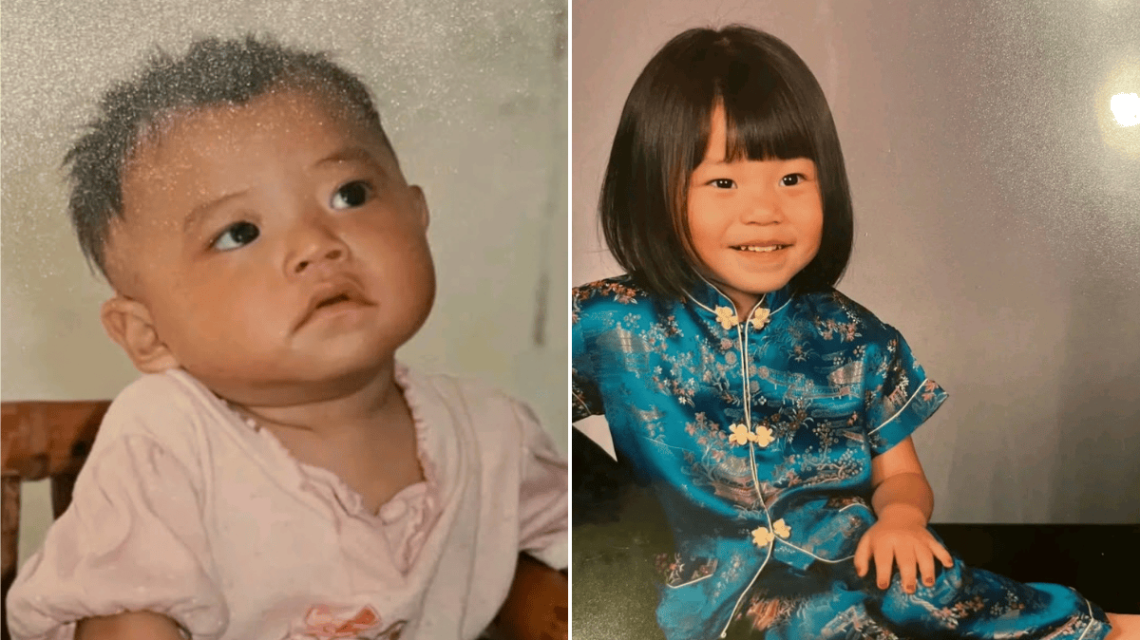
Growing up in Memphis, Tennessee, I always knew I was adopted. My life began far from American soil, in China. At just three days old, I was left on a sidewalk in Nanchang, Jiangxi Province. I spent many years believing that finding my birth family was a closed chapter. However, having my own children shifted my perspective. The connections made possible through social media reignited hope, transforming the impossible into the possible. My story was worth sharing.
From childhood, adoption was openly discussed in my family. There wasn’t a distinct “a-ha” moment or formal discussion; it was simply known. I recall reading documents that referred to me as an “officially abandoned child.” It was then that it hit me: my biological family had truly left me on a sidewalk. For the first time, I felt a tinge of negativity about being adopted.
My adoptive mother always believed my biological family wanted a better life for me. As a child, this view offered comfort. As an adult, I began questioning. They might have loved me, but it likely looked different. At 14 months old, I left an orphanage for my new home. Though sick with pneumonia, my adoptive mother believed our match was life-saving. The orphanage was unable to care for sick babies, but I was finally tended to because a family awaited.
Childhood memories are filled with joy: fall festivals, Christmas lights with my mom, trips to the beach, Disney World, family gatherings, and reading Harry Potter. My grandmother would often remind me, “Of all the beautiful little girls, God brought you here all the way from China to be my precious angel.” Love surrounded me, and I never felt like an outsider.
School posed challenges, as teasing about my adoption occurred, but it soon faded. In college, surrounded by new faces, I began contemplating my Chinese identity more deeply. I hadn’t actively sought out my biological family, although I daydreamed about them.
Years treated my past as fixed, but that changed in college when I googled my birth city, Nanchang. I was surprised to find it modern and developed, contradicting childhood beliefs of its poverty. Looking back, I’m surprised it took so long to learn about my birthplace. I never felt the permission to explore it, even from myself.
At age seven, I returned to China through a program for China’s lost girls, visiting various cities. Although amazing, I was too young to understand its significance. Today, sentiments about my abandonment continue to evolve. Empathy for my biological mother’s possible experiences grows, leading me to wonder whether I was abandoned or taken. Becoming a mother intensified these feelings.
After giving birth to my daughter in 2021, holding a blood relative for the first time was profound. The same happened when my son arrived. Before becoming a parent, I spent little time around babies. Realizing how small I was when my birth family let me go deepened my understanding of adoption. Raising Chinese children holds significance. My daughter in kindergarten is learning what being Chinese means, and our family embraces Chinese culture. We read, watch videos, and discuss adoption in age-appropriate ways. Teaching her about China, its holidays, traditions, and foods becomes a shared journey.
My past, once a blank space, now invites exploration. Sharing what little I have is both frightening and empowering. I’m in the early stages of finding my birth family, collaborating with another woman from the same orphanage. We plan DNA tests and have reached out to organizations like the Nanchang Project to increase visibility once results arrive.
Questions abound, like knowing my family’s history, origins, and the reasons behind my abandonment. If I reconnect without causing them distress, I’d like to understand more than just the one-child policy. Mostly, I want to see our lives intertwined—similarities, differences, and shared history.
I chose not to dwell deeply on the one-child policy details, knowing the hardships endured by birth mothers and daughters, including my own fate, could have differed drastically. I was fortunate to be adopted by loving parents, embraced by extended family.
I often wonder what my life might have been if left in China. My abandonment makes me doubt it would resemble the fortunate life I’ve lived. At best, I might have been unwanted; at worst, faced harsh realities many families endured. Despite grief and unanswered questions about my origins, I wouldn’t change the life I have today.
If I ever meet my biological parents, above all, I’d say, “I hope my life reflects what you wanted for me when you let me go.” Though I can’t change or fully understand the past, I know the decision carried consequences. Whatever their reasons, they took a risk. I hope my life makes that risk worthwhile.
Currently, I’m a stay-at-home mom preparing to return to work. Earlier dreams of becoming a news producer for Good Morning America no longer hold sway. I’ve realized that where I am—this family, these children, this life—represents my peak. This understanding brings comfort and excitement for what lies ahead.
 Teaching Resilience: A Mother’s Stand Against Bullying in Preschool
  Coping with Congenital Cataracts: A Mother’s Journey
  Remembering Mike Ditka: Football Legend and Iconic Coach
  National Protest Rallies Support for Cornell Student’s Assault Case
  Concerns Arise Over Medicaid Cuts Impacting Autism Care for Foster Children
  Attorneys Call for Preservation of Evidence Following Failed Execution