Settlement on Tribal Water Rights
Native American tribes in northern Arizona are seeking to secure water from the Colorado River. A proposed settlement aimed at resolving the largest outstanding water rights claim promises billions for infrastructure. However, Upper Basin states are resisting the deal due to leasing provisions allowing the Navajo and Hopi tribes to lease water outside their reservations.
Historical Context
Despite a Supreme Court ruling 118 years ago that the federal government owes water to tribes, many are still fighting to resolve their rights. The proposed settlement would provide vital water access to the Navajo Nation, Hopi Tribe, and San Juan Southern Paiute Tribe.
Negotiations and Resistance
Upper Basin states — Colorado, New Mexico, Utah, and Wyoming — are opposing the settlement in Congress over concerns about water leasing provisions. These states fear future arrangements could allow leasing to cities like Phoenix and Los Angeles, impacting their water rights.
The Lower Basin states are in favor, but the Upper Basin states maintain strong opposition. Congress and the White House have delayed approval until a comprehensive agreement is reached.
Impact on Communities
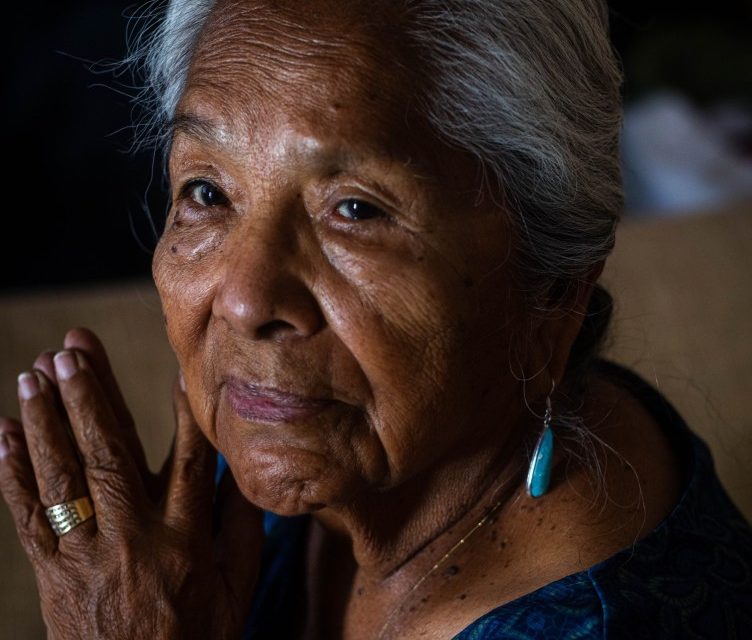
For individuals like Marilyn Tewa, who lacks running water in her home, the stalemate means continued hardship. Her family hauls water five miles to their residence due to lack of infrastructure.
Legislation Details
If passed, the Northeastern Arizona Indian Water Rights Settlement Act would resolve the tribes’ claims, providing $5 billion in federal funding for infrastructure. The legislation also proposes establishing a reservation for the San Juan Southern Paiute Tribe.
Concerns and Concessions
Despite major concessions from the tribes regarding water volume and leasing tenure, Upper Basin states remain firm in their opposition. They fear leasing sets a precedent for future water transactions.
Legal and Political Considerations
Enacting the settlement requires overcoming legal questions about needing approval from all seven basin states. Court rulings have not favored tribes and previous attempts to resolve rights have failed.
Historical Negotiations
The tribes possess senior water rights on the Colorado River, essential for them but currently used by others for free. Full utilization of these rights by tribes could disrupt the economic flow dependent on the river.
The Road Ahead
The Navajo, Hopi, and San Juan Southern Paiute tribes persist in negotiations, hoping to finalize their water claims for sustainable development and cultural preservation.
Tribes’ struggles illustrate fundamental human rights issues, highlighting their ongoing efforts to access water crucial for their survival and community development.
Leadership and Advocacy
Tribal leaders actively engage in negotiations, seeking resolution for their communities and ensuring water security for future generations. As talks continue, the tribes emphasize their inherent rights to water and the necessity of fair compensation.
 Swiss Glaciers Show Effects of Ice Loss Amid Global Warming
  Climate-Resistant Rock Glaciers: Hidden Water Resources
  Senators Reach Bipartisan Agreement on Permitting Reform
  Experts Warn of Critical Period for the Colorado River
  Future Cities: Ambitious Projects Aiming for Innovation and Sustainability
  Supreme Court Case Suncor vs. Boulder: Implications for Accountability in Climate Change