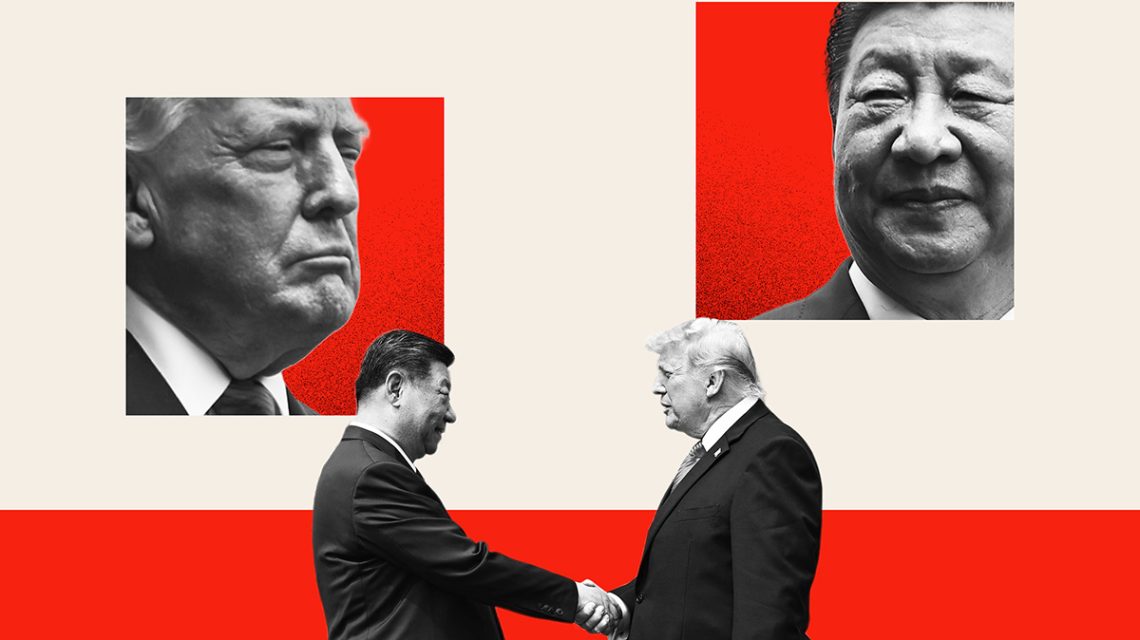
President Donald Trump’s focus on business may be influencing a softer stance toward Beijing, yet within his administration, critics of China remain evident. The fanfare surrounding Trump’s recent visit to Beijing reflects extended preparations and marks a shift since both countries reduced tariffs last May.
Previously, Trump’s administration had quarrels with China over trade deficits and the origins of the COVID-19 pandemic, events that left relations strained. Few expected a public reconciliation. However, Trump highlighted his friendship and admiration for Chinese President Xi Jinping during his Beijing visit, which Xi said strengthened trust between them.
With Trump in the meeting hall near Tiananmen Square were prominent China critics from his Cabinet, such as Marco Rubio, sanctioned secretary of state, and defense chief Pete Hegseth, who is rallying Asian allies. White House adviser Stephen Miller, known for his immigration stance, also attended. All maintained a united front as Trump, accompanied by business executives, sought cooperation with China in exchange for expanded business opportunities.
Politics involves theatrics as much as it does power. The presence of political and business figures was also a display of strength, a reminder to Xi of the potential chaos if Beijing declines to engage, according to a senior former Trump administration adviser. Miles Yu, a China policy adviser to former Secretary of State Mike Pompeo, said, “The visit aimed to assert that the U.S. remains the foremost global power.”
Last year, Trump facilitated a seeming thaw with targeted concessions to address Xi’s issues with U.S. policy on Taiwan and Chinese access to AI chips. These moves sparked criticism but led to Xi agreeing to meet in South Korea in October and commit to U.S.-desired agricultural buys.
Following the summit, Xi seems ready for a state visit to the U.S. in September, his first since 2015. Trump’s continued praise could help China view the trip as valuable and a victory for its foreign policy strategy. Though cautious, Xi appears to give Trump 2.0 some benefit of doubt, aware of the persistent critics in Trump’s circle.
“The U.S. and China are in a ‘new Cold War,'” Yu noted, emphasizing that this situation is preferable to open conflict. “Deterrence is about peace through strength,” he explained, reflecting Trump’s strategy.
In the U.S., tensions persist. Recent federal charges against a California official highlight longstanding attempts to counter Chinese political influence. The Justice Department charged former Arcadia mayor Eileen Wang with unlawfully acting in China’s interest. Concurrently, in New York, Harry Lu was found guilty of operating a proxy Chinese “police station” in Manhattan’s Chinatown.
Outside metro areas, U.S. states continue legislating to restrict China’s influence in technology, strategic business, and repression of critics abroad. Despite apparent diplomatic easing, substantial changes seem improbable, Yu commented. Trump seemingly signals to Xi, “From now until September, avoid disrupting things and behave,” through the invitation for a September visit.
Other experts offer different views on Trump’s approach. John Yasuda from Johns Hopkins University implied that Trump’s strategy might lack impact. Yasuda said Xi appeared dominant, portraying himself as resolving issues rather than an equal, and observed that Beijing might welcome less confrontational relations with the U.S. as Xi navigates internal challenges. He suggested the U.S. might need insight into this seemingly unbalanced relationship.
 Maryland First State to Restrict Electronic Pricing in Grocery Stores
  Activists Push for Nationwide Ban on Child Marriage in the U.S.
  Democratic Hopes and Historical Warnings in 2026 Senate Race
  Republicans Face Challenges Amidst Cost of Living Concerns
  A Different Kind of Fall for Congress This Year
 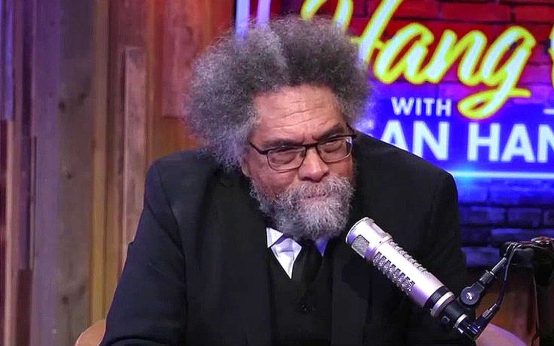 Cornel West and Sean Hannity Discuss Differences on Podcast