
President Trump’s endorsed candidates had a varied performance in recent Republican primaries. While his chosen candidates succeeded in some Senate races, there were setbacks in Georgia.
Georgia Challenges Trump’s Influence
Lt. Gov. Burt Jones, backed by Trump, lost the Republican primary runoff for governor of Georgia to Rick Jackson, a prominent health care executive. This marks the second gubernatorial primary in June where Trump’s endorsement did not secure a win. Earlier, his chosen candidate, Representative Randy Feenstra, was also defeated in Iowa.
Trump did see a victory with Representative Mike Collins, known for his hard stance on immigration, who won his primary to contest Senator Jon Ossoff in an upcoming intense and costly election.
Senate Wins in Alabama and Oklahoma
In Alabama and Oklahoma, Trump’s chosen candidates for Senate achieved victories, further solidifying his influence in states typically leaning Republican.
Analysis of Georgia Republicans’ Stance
Despite Trump’s endorsement, Georgia Republicans did not support Lt. Gov. Burt Jones in the primary runoff. Jones, who allied with Trump to challenge the 2020 presidential election results, faced defeat. Additionally, an election denier’s loss in the Georgia secretary of state runoff was seen as a rebuff to Trump’s unfounded claims about the 2020 election.
Trump’s challenges with Georgia Republicans trace back to 2020, when Gov. Brian Kemp and Secretary of State Brad Raffensperger stood by the state’s presidential election results. In early 2021, Trump’s endorsed candidates also lost both of Georgia’s Senate runoff elections, paving the way for Jon Ossoff’s political ascent.
 Democrats See South Carolina as Potential Senate Pickup
 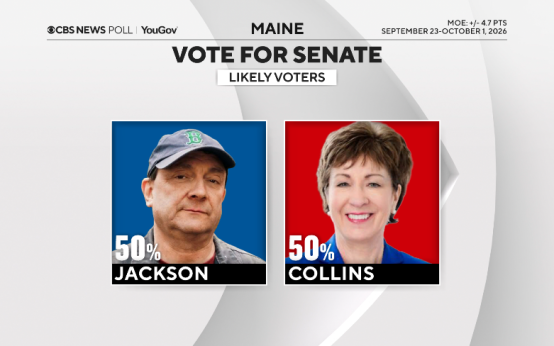 Maine Senate Race: Collins and Jackson in a Dead Heat
  Texas Becomes Key Battleground in Midterm Elections
  President Trump’s Return to Alabama Before Midterms
 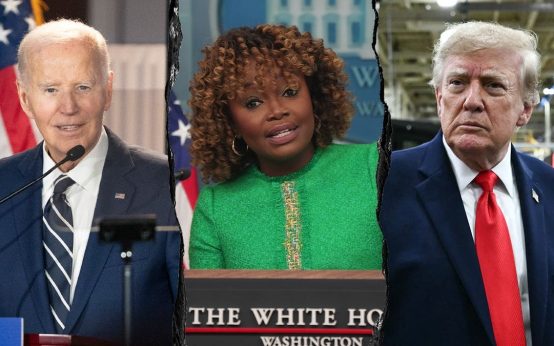 Jean-Pierre’s Critique on Trump’s Messaging Echoes Her Time with Biden
  Voter Registration Deadlines and Requirements for Upcoming U.S. Midterm Elections