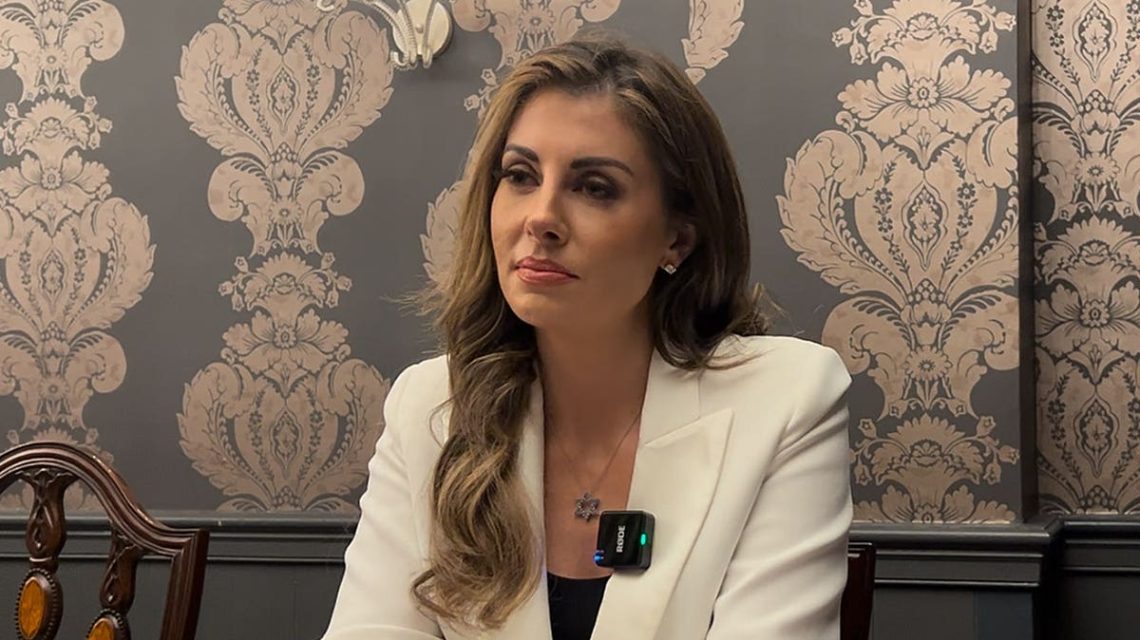
Former Trump envoy Morgan Ortagus emphasized that Iran might use ongoing nuclear talks to delay while President Donald Trump pauses planned military actions. Speaking after the Middle East Forum in Washington, Ortagus stated Iran has a history of extending negotiations to maintain leverage.
“It’s the tactic of the regime to stall, to draw negotiations, to buy time,” Ortagus pointed out. She advised President Trump to avoid falling into Iran’s strategy of dragging out discussions.
Recently, Trump paused military strikes and extended diplomatic discussions with Iran, under pressure from Gulf allies who prefer more time for negotiation. Despite these talks, the administration continues pressuring Iran about its nuclear program and regional activities.
General Jack Keane expressed skepticism about the ceasefire with Iran, warning Tehran might delay and mislead.
Ortagus, previously a State Department spokeswoman and a participant in Middle East negotiations during Trump’s term, claimed the current U.S. administration possesses more leverage over Iran than previous ones. She criticized past Iran negotiations, which she claimed allowed Tehran to advance its nuclear program during prolonged diplomatic discussions.
Trump withdrew from the Obama-era Joint Comprehensive Plan of Action (JCPOA) in 2018, labeling it as ineffective in permanently curbing Iran’s nuclear ambitions. Ortagus voiced her confidence in Trump’s negotiating prowess, highlighting the administration’s stance of having degraded Iran’s capability significantly.
Iranian officials dismiss demands for “zero enrichment,” asserting their national right to a civil nuclear program. Washington, accused of using military threats against Iran in talks, stands firm on demands, citing concerns regarding Iran’s high uranium enrichment levels.
Amid ongoing conflicts, some conservatives warn that deeper U.S. involvement in the Middle East could divert resources from domestic priorities. Ortagus distinguished the Iran situation from previous prolonged wars, advocating for a strategic use of force when needed.
The U.S. also attempts to stabilize the Israel-Lebanon situation, where Hezbollah and Israeli forces continue exchanges despite a U.S.-brokered extended ceasefire. Addressing Hezbollah’s activities in Lebanon serves as part of the broader challenge Iran’s regional proxy network poses, alongside nuclear concerns.
Ortagus sees potential for Israel and Lebanon to establish a steadier relationship if Hezbollah’s influence decreases. Israeli Ambassador to the U.S., Yechiel Leiter, reinforced this view, stating Israel harbors no territorial claims in Lebanon, suggesting potential normalization contingent on Hezbollah’s removal.
Nevertheless, tensions persist along the Israel-Lebanon border due to accusations of ceasefire violations. Israel argues previous agreements failed because Hezbollah continued to operate near the border.
“There’s nothing stopping normalization,” Leiter claimed, emphasizing that Hezbollah holds Lebanon back.
 The Trump Team’s Challenge to the Military Leadership
  Maryland First State to Restrict Electronic Pricing in Grocery Stores
  Activists Push for Nationwide Ban on Child Marriage in the U.S.
  Democratic Hopes and Historical Warnings in 2026 Senate Race
  Republicans Face Challenges Amidst Cost of Living Concerns
  A Different Kind of Fall for Congress This Year