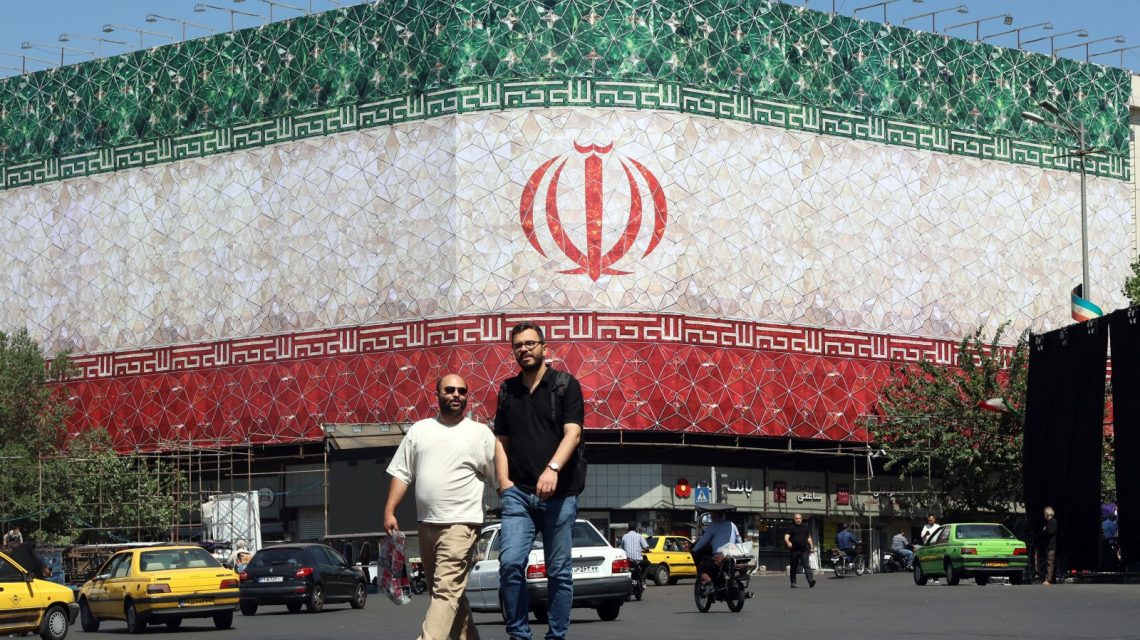
President Donald Trump announced a deal on Truth Social to reopen the Strait of Hormuz, aiming to end the Iran War. The memorandum of understanding (MOU) has sparked controversy, with critics viewing it as a concession.
While the reopening of the Strait is widely welcomed and Trump’s negotiation efforts are praised, significant concerns remain. Israel, notably critical, was not involved in the discussions. The Yediot Aharonot, a Hebrew newspaper, labeled it a ‘bad deal.’ Israel, having engaged in two conflicts with Iran in the past year, expressed dissatisfaction. The MOU could open the waterway controlled by Iran and may lead to the U.S. lifting a blockade on Iranian ports. Further talks in the coming 60 days will address Iran’s nuclear program and sanctions.
Hamidreza Azizi of SWP Berlin highlighted the lack of clarity in the MOU’s terms. He stressed potential misunderstandings concerning commitments from both sides. There is uncertainty over the implications of the deal without transparent details.
Israel’s Criticism
Israel’s finance minister, Bezalel Smotrich, called the MOU detrimental to Israel and the free world. He vowed to campaign against the Iranian regime. Gadi Eisenkot, from the Yashar party and a challenger to Prime Minister Netanyahu, criticized the gap between Netanyahu’s promises and the deal. Critics in the U.S., such as Democratic Senator Chris Murphy, welcomed the war’s end but described the MOU as a surrender to Iran, claiming it favors Iranian terms. Concerns loom over Iran potentially receiving frozen U.S. funds before reaching a nuclear agreement, reducing U.S. negotiation leverage.
Nate Swanson from the Scowcroft Middle East Security Initiative commented the MOU, a 14-point plan, could temporarily reduce violence and traffic at sea. However, it doesn’t resolve key issues like the Strait’s control, nuclear concessions, or sanctions relief. Swanson emphasized the difficulties in achieving further negotiations due to complex monitoring needed for a nuclear deal.
Strait of Hormuz Under Scrutiny
Both Trump and Iran’s Deputy Foreign Affairs Minister Kazem Gharibabadi plan to finalize the agreement in Switzerland. Yet, questions persist about the Strait of Hormuz, which remains a priority for Tehran. The MOU reportedly lacks clarity on Iran’s control over the waterway and its toll collection, as Iranian authorities suggest such a system will persist. There is talk of a temporary toll-free passage, with revenue from commercial traffic to be used for Iran’s economic development. The Institute for the Study of War suggests an Iranian-managed open strait doesn’t revert to pre-war conditions, indicating Iran’s achievement of a war aim.
Iran agrees to halt transit tolls temporarily but discussions with Oman continue on adjusting transit arrangements. Azizi warned that reinstating these restrictions after the negotiation period might be politically challenging unless talks collapse. Iran retains geographical advantages to disrupt Strait operations at will.
Israel Stance on Lebanon
Israel vows to maintain its presence in Lebanon following Hezbollah’s support for Iran in March. Israeli National Security Minister Itamar Ben-Gvir stated that the MOU does not obligate Israel, which will retain occupied territories in Lebanon. Defense Minister Israel Katz echoed this, affirming the indefinite stay of Israeli forces in security zones across Lebanon, Syria, and Gaza.
The conflict has devastated southern Lebanon, causing extensive destruction and a significant death toll, with Lebanese authorities reporting over 3,711 deaths and a million displacements. Lebanese President Joseph Aoun expressed hope for an end to the conflict but faced opposition from Israeli leaders, casting doubt on Israel’s withdrawal.
 France’s Constitutional Council Rejects Social Media Ban for Children Under 15
  Tensions and Resilience: Christians in Israel’s Complex Landscape
  Bolivia Increases Border Security Amid Crime Wave
  Deadly Earthquake Strikes Indonesia, Causes Panic and Destruction
  U.S. Marine Robert Gilman Released from Russian Detention
 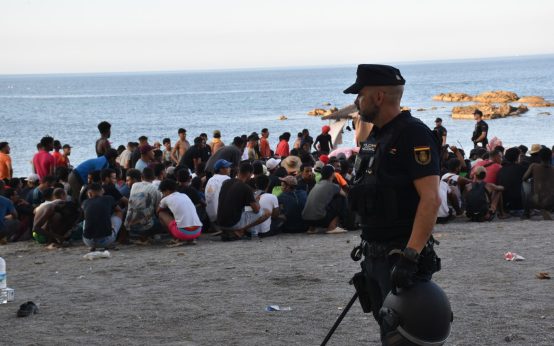 Spain Vows to Return All Migrants from Ceuta