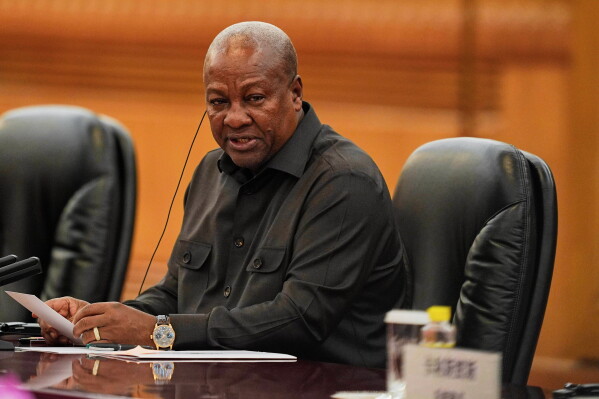
The United States and Iran have less than 60 days to forge a permanent peace deal. However, the two nations are still divided over the interim agreement they reached this month. Both sides have yet to finalize when they will meet next.
A senior Iranian negotiator, Kazem Gharibabadi, highlighted the sensitivity and complexity of the situation in a social media post. The primary questions involve negotiating talks and control over the Strait of Hormuz, which has been a major point of contention. The U.S. asserts the strait is open, while Iran insists on maintaining a measure of control. This issue led to several days of military strikes, which seemed to end on Monday.
Challenges Stemming from Diplomatic Statements
United States: U.S. President Donald Trump announced a planned meeting in Doha, stating, “Iran has requested a meeting. It will take place tomorrow in Doha!”
Iran: However, Iranian Foreign Ministry spokesperson Esmail Baghaei contradicted this, stating no meetings with the U.S. were scheduled in the coming days.
What Lies Ahead
The U.S. and Iran face a mid-August deadline to agree on lasting peace, including a settlement on Iran’s contentious nuclear program. Before high-level negotiations can resume, technical discussions involving lower-level diplomats are expected. Pakistan, along with Qatar, anticipates talks to start on Tuesday.
A White House spokesperson, Karoline Leavitt, confirmed envoys Steve Witkoff and Jared Kushner, Trump’s son-in-law, are heading to Qatar for discussions. Iran has announced an expert delegation will travel to Qatar, though no U.S. meetings are planned at this time.
Key topics include the Strait of Hormuz, implications of sanctions waivers, and Iran’s enriched uranium stockpile. The current deal stipulates that fighting must cease before more negotiations can proceed. After recent clashes, Iran warned of halting discussions entirely, yet both countries paused offensive actions. Tehran seems to wait for stability before continuing talks.
The Situation at the Strait of Hormuz
United States: According to the interim deal, the Strait of Hormuz remains open, facilitating commercial shipping.
Iran: Iran maintains it should control the strait. “Any deviation from the current administrative arrangements by Iran will only complicate and delay reopening,” Iranian Foreign Minister Abbas Araghchi noted.
The strait, which once transported a fifth of the world’s oil and gas, has become a strategic focal point. The interim deal indicates Iran should help facilitate passage, collaborating with Oman under international navigation laws. However, conflicts arose over a U.S.-controlled route alongside Oman.
A U.S. official, speaking anonymously, reported that despite recent tensions, ship movements through the strait have resumed, albeit at lower volumes than before the conflict.
Ceasefire Developments and Regional Tensions
Iran: Iran asserts that fighting must cease, and Israel must withdraw from Lebanon.
Hezbollah: Hezbollah’s leader, Naim Kassem, expressed opposition to linking Israel’s withdrawal to the disarmament of the group, highlighting the risks involved.
Israel: Israeli Prime Minister Benjamin Netanyahu stated their forces would remain in Lebanon until Hezbollah and other threats are neutralized.
Separate U.S.-led discussions between Israel and Lebanon have outlined conditions that allow Israel’s presence in southern Lebanon until Hezbollah disarms. However, Hezbollah contests these terms. The group initiated an attack on Israel two days following the U.S. and Iran’s exchange of fire on February 28.
Although clashes persist sporadically in Lebanon, complications could hinder Iran’s readiness to return to the negotiation table.
 Mayor Mamdani Responds to Netanyahu’s United Nations Speech
  British Prosecutors Charge Man with Terrorism Over Politician’s Murder
  Backlash Against Trump’s White House Photos
  State Department Accuses Senate Democrats of ‘Grandstanding’ Over Venezuela Oil Deal
  EU Plans Deportation of Rejected Asylum Seekers
  British Police Arrest Man Suspected of Terror Plot