
In 2022, countless Ukrainians crossed into neighboring countries, bringing their belongings and expecting to return home shortly after. Now, four years later, many have constructed new lives abroad. This highlights the possibility that a peace accord might conclude the war without resolving Ukraine’s migration crisis.
According to the Center for Economic Strategy, around 5.6 million Ukrainians are still overseas due to the full-scale conflict. As of July, Eurostat notes more than 4.4 million Ukrainians were under temporary protection in EU nations. These figures are more than mere numbers; they represent numerous lives progressing as the conflict persists. Many children have been enrolled in local schools, their parents have secured employment, and families have rented homes, developing new social circles. Some have learned new languages and pursued careers, transitioning temporary displacement into settled lives.
Nevertheless, Ukrainians still desire to return home. Research from the Center for Economic Strategy shows that 43% of Ukrainian refugees aim to return, whereas 36% do not. Among those wishing to go back, about 80% would prefer to do so only after the war concludes and safety conditions are improved.
The decision to return is driven more by practicality than sentiment. For some families, the decision hinges on whether it benefits them overall. A mother might long to return, but her child might feel more at ease in a foreign school and environment. A parent might be homesick but has stable employment abroad. A family might own an apartment in Ukraine but require extensive repairs or may find it no longer there.
Returning once meant resuming life as it was before 2022. Now, it demands starting anew. Time plays a significant role in migration considerations. Hence, the war’s conclusion cannot be seen as a straightforward answer to the refugee issue. Peace is vital but insufficient on its own to rebuild the lives disrupted since 2022.
Factors such as housing, employment, educational facilities, healthcare, and security will all come into play, including a deep-seated belief in whether their future remains in Ukraine. The key demographic may be those undecided about returning. Their choice will depend on post-war Ukraine’s conditions. If they witness secure communities, effective schools, sufficient housing, and viable job opportunities, some may opt to return. Conversely, uncertainty, ruined homes, and limited career prospects may compel them to continue their lives abroad.
Ukraine must acknowledge the reality that not everyone will come back; this should not be considered a failure. Those abroad can still maintain strong links with their homeland by financially supporting relatives, investing in local businesses, visiting, aiding communities, and contributing professionally from afar. Ukraine could eventually emerge from the conflict with a larger and globally connected diaspora.
The government cannot command citizens to return, nor should it attempt to. It can, however, influence circumstances affecting family decisions. Measures might include securing property rights, ensuring fair compensation, expanding housing restoration, implementing affordable rental and mortgage programs, generating jobs, assisting in professional retraining, and providing trustworthy information regarding safety, schools, healthcare, and job availability in home areas.
Efforts should not be focused on coaxing every Ukrainian abroad to return, but rather on making the return a viable alternative. This distinction is crucial for Ukraine and its allied partners. The country’s demographic will significantly impact its recovery, economic vigor, democratic stability, and lingering security.
Kateryna Odarchenko is the president of the PolitA Institute for Democracy and Development, a political consultant, a partner at SIC Group Ukraine, and a member of the International Association of Political Consultants.
 Arrest and Release of Suspected Terror Offender in Connection with RAF Fairford Incident
 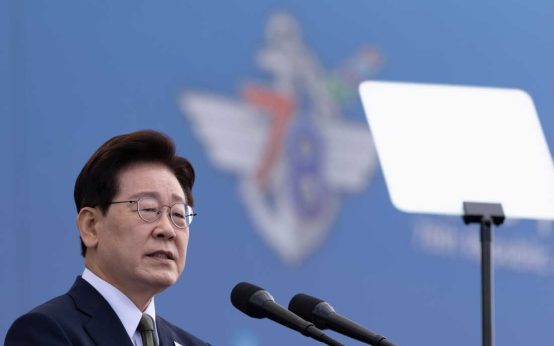 South Korea Tests First Domestically Developed Hypersonic Weapon
  Elisha Wiesel’s Reflections on Antisemitism and Jewish Identity
  Israel Marks Third Anniversary of Hamas-Led Attack with Commemorations
  The Impact of October 7, 2023: Understanding Hamas’ Attack and Its Aftermath
 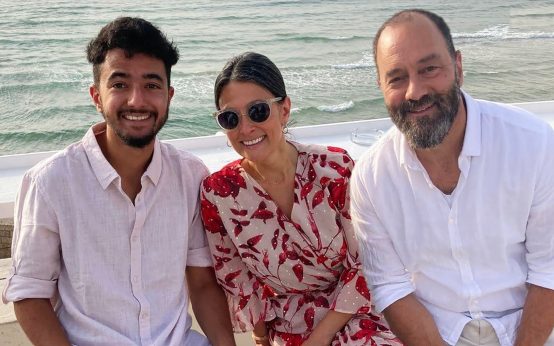 Grief and Memory: Families and Nations Respond to Tragedy