In Utah, a coalition of communities is driving a shift toward renewable energy, uniting big cities and rural towns. This initiative could serve as a blueprint for other areas in the U.S. seeking climate action, especially as federal clean power efforts decline.
Federal Challenges and Local Solutions
Despite federal pushbacks against renewable energy, Utah cities and towns are improving their energy strategy. President Trump’s actions have aimed at rekindling coal and stalling solar and wind projects. Yet, this Utah coalition, including Salt Lake City and 18 others, has different aspirations.
Around 75% of Utah’s current electricity relies on coal and natural gas. The coalition wants to add clean energy to the grid, aiming for significant progress by 2030.
Clean energy is not just here and now, it’s a long-term investment.– Emily Quinton, Summit County
Historical Ties and Future Initiatives
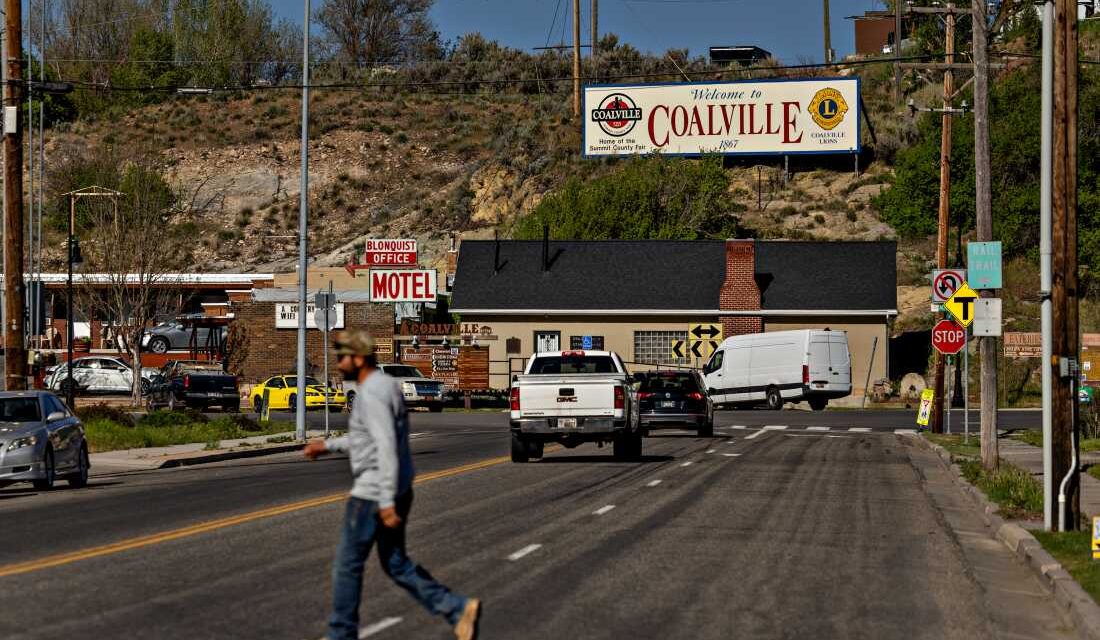
Coalville, rooted in coal history, is joining Summit County in pursuing renewable energy. This shift reflects changes in Utah’s power composition where about 22% now comes from renewables.
Challenges exist due to regulations and political resistance. Yet, the coalition persists as legislative support, such as Utah’s 2019 law enabling collaborations with utilities, paves the way.
Driving Momentum Amid Political Winds
Utah communities are experiencing the impacts of climate change firsthand. This urgency has fueled their renewable initiatives, with Park City recent warm winters exemplifying the need for change.
The Utah coalition’s model gains attention across states. Sharing their journey, they offer insights others can apply, proving that collaboration leads to impactful climate strategies.
Economic and Environmental Benefits
Transitioning to renewables is not just environmentally sound but economically viable, especially with solar and wind becoming more cost-competitive. Red states might find legislative support challenging but can look to Utah’s example for guidance.
Community-driven projects, like Moab’s solar renovations, show progress. Residents in small towns like Castle Valley appreciate the tangible benefits of clean energy.
The Utah initiative’s model demonstrates how collective efforts can overcome political barriers and foster renewable innovation. With plans to enroll households into the program, the coalition’s strategy ensures equitable solutions across communities.
Utah’s Renewable Communities reflects an important movement toward sustainable energy, aiming for impactful changes by the decade’s close.
 Atlantic Ends September Without a Hurricane for First Time Since 1994
  Bobcat Sightings and Conservation Efforts in Illinois
  2026 El Niño: A Historical Comparison and Future Projections
  U.S. Records Warmest September in History
  Swiss Glaciers Show Effects of Ice Loss Amid Global Warming
  Climate-Resistant Rock Glaciers: Hidden Water Resources