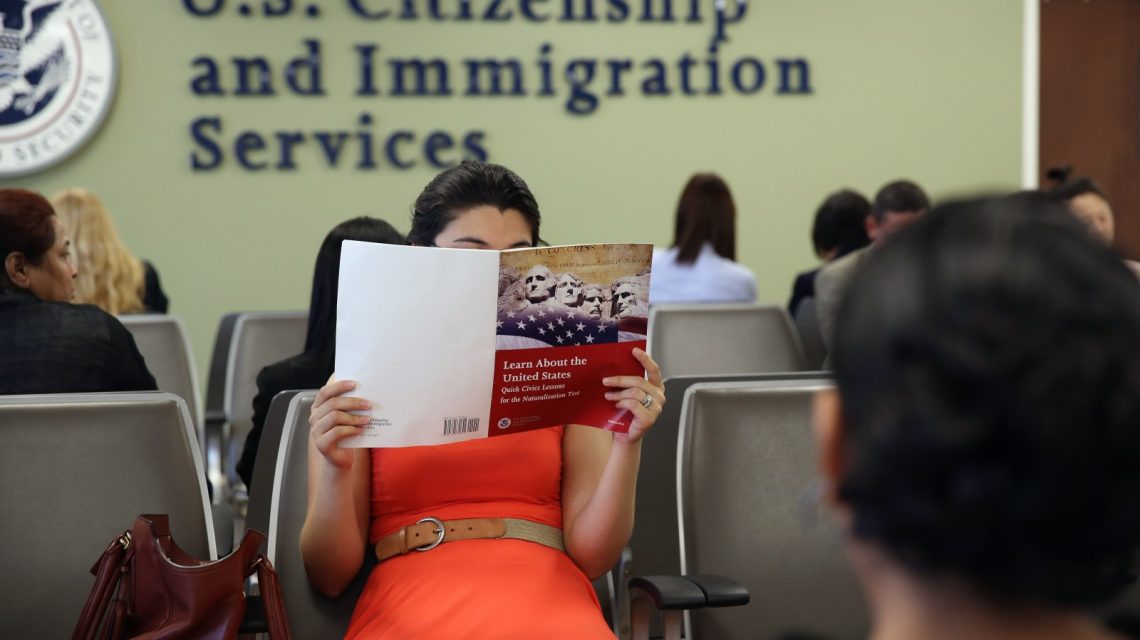
The Trump administration has asked a federal appeals court to overturn a lower court ruling that blocked a policy requiring a $100,000 payment tied to certain H-1B visas. This payment is presented as an immigration restriction, not a tax. The administration argues that the fee falls within the president’s substantial authority over immigration matters.
On June 18, filings were made in the US Court of Appeals for the First Circuit, where the administration contended that the fee is an immigration condition. This comes after a district judge ruled the measure likely exceeded presidential authority by effectively creating a tax without getting congressional approval. President Donald Trump’s proclamation mandates that employers seeking new H-1B visas pay $100,000, citing misuse of the visa program and national security risks. This assertion aims to prevent foreign workers from entering the U.S. under the guise of protecting American interests.
The administration warns that without such measures, foreign workers may enter the U.S. despite concerns about national security and its effects on American interests.
Why It Matters
The H-1B program has faced criticism for allegedly displacing U.S. workers or suppressing wages. Supporters argue it aids employers in filling specialized roles essential in industries like healthcare and engineering. The administration cited these concerns when defending the proclamation, emphasizing perceived workforce replacement and wage suppression.
What To Know
The H-1B visa allows U.S. employers to hire foreign workers temporarily in specialty occupations. Most new visas are capped at 65,000 annually, with an additional 20,000 reserved for those with advanced U.S. degrees. The policy directs the Departments of Homeland Security and State to deny new H-1B petitions without the payment and verify the fee before issuing visas.
States challenged the policy, arguing it exceeds presidential authority and constitutes a tax without congressional consent. On June 8, a federal district court in Massachusetts sided with the challengers, ruling the payment was an unauthorized tax and vacating the fee. U.S. District Judge Leo Sorokin stated, “The President had no power or delegated authority to impose a tax on H-1B petitions.” The administration appealed this decision and seeks a stay. In its appeal, the government argued the district court wrongly labeled the payment as a tax, viewing it as an immigration entry condition like other fees and restrictions.
Administration attorneys expressed concerns, saying, “Every day that passes more aliens can petition and enter the country despite the President’s determination that their entry would be detrimental.”
Justice Department lawyers referenced the Immigration and Nationality Act’s provisions, asserting the president can impose any restrictions deemed necessary, including a one-time payment. They clarified the payment’s purpose is not revenue generation but regulating immigration—discouraging foreign labor reliance and encouraging the hiring of U.S. workers.
According to the court, the payment constituted a tax, making the policy unlawful under the Administrative Procedure Act for exceeding statutory authority and bypassing required rulemaking procedures.
What Happens Next
The First Circuit will determine if the payment is a lawful immigration restriction or an unauthorized tax. This decision will influence the scope of presidential authority over employment-based visa programs. The outcome is poised to shape future executive actions concerning immigration fees and policies.
 The Trump Team’s Challenge to the Military Leadership
  Maryland First State to Restrict Electronic Pricing in Grocery Stores
 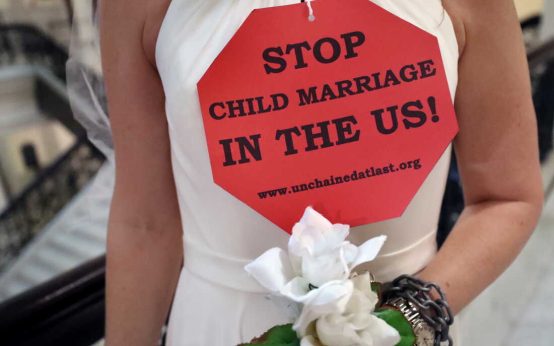 Activists Push for Nationwide Ban on Child Marriage in the U.S.
 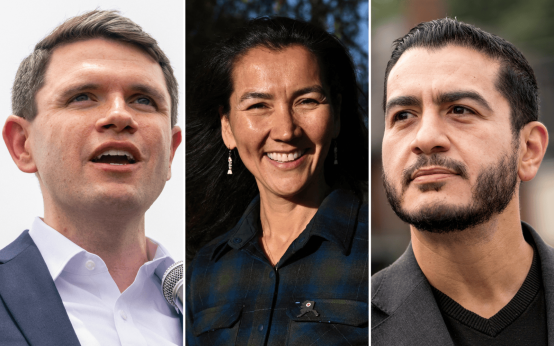 Democratic Hopes and Historical Warnings in 2026 Senate Race
  Republicans Face Challenges Amidst Cost of Living Concerns
  A Different Kind of Fall for Congress This Year