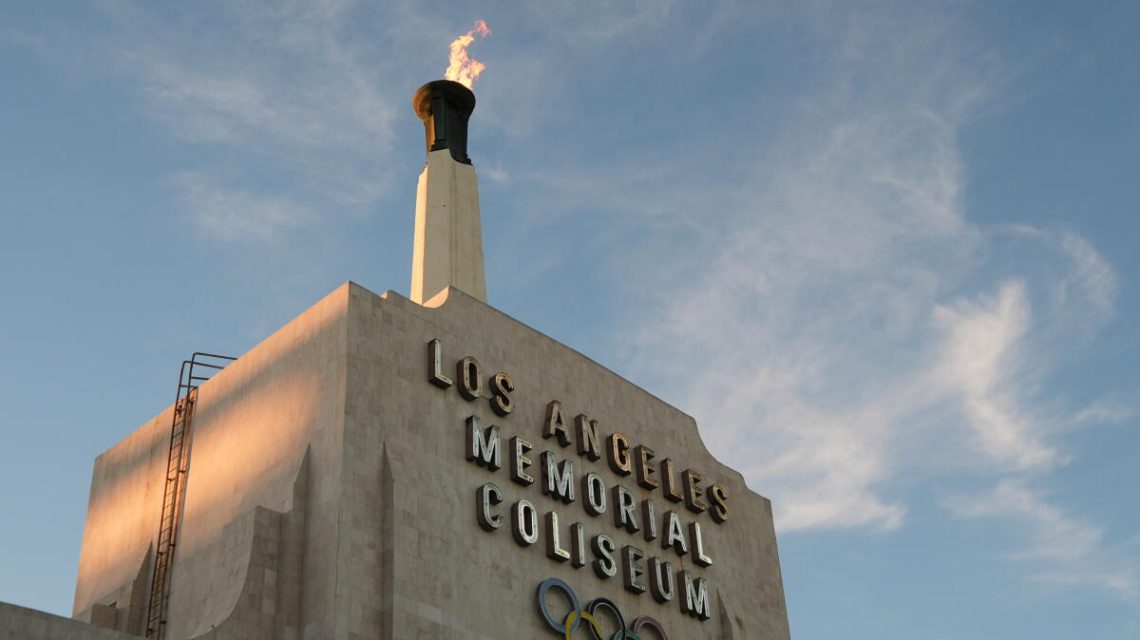
With less than two years before the 2028 Olympic and Paralympic Games in Los Angeles, significant concerns surround the funding and coordination for the Cultural Olympiad. This arts and culture program will accompany the Games, reflecting the host city’s commitment to the creative arts and potentially leaving a lasting impact on the region’s artistic legacy.
Paris hosted the 2024 Olympics with over 2,500 projects across three years. Meanwhile, there is criticism in Los Angeles regarding the lack of a formal, cohesive plan for the Cultural Olympiad despite local arts organizations and neighboring cities actively commissioning work and planning celebrations.
During a legislative hearing at the California Science Center, lawmakers demanded answers about the funding allocated to the Cultural Olympiad and the timeframe for distributing these funds to artists and communities involved. Former Los Angeles County Supervisor Zev Yaroslavsky criticized the delayed mobilization of cultural planning, noting that Los Angeles had nearly 11 years to prepare after being awarded the Games in September 2017.
Yaroslavsky highlighted the potential consequences of this delay, warning that major artists book commitments years in advance, limiting opportunities for organizers. Despite these setbacks, he expressed optimism about the Cultural Olympiad’s success, referencing the 1984 Olympic Arts Festival as a catalyst for cultural growth in Los Angeles.
Sofia Klatzker, Santa Monica’s cultural affairs manager, emphasized the urgency of sharing community expectations, as local cities and nonprofits have stopped waiting for outside direction. She detailed Santa Monica’s proposed cultural framework, “Land and Water Here and Now,” including performances, exhibitions, public art, and international exchanges.
The hearing involved approximately 100 officials, including LA28 Cultural Olympiad leaders and arts advocates. Discussions revealed fragmented efforts with municipalities and organizations seeking clearer financial commitments and coordination.
Sen. Benjamin Allen (D-Santa Monica), who chairs the Special Committee on International Sporting Events and the Legislature’s Joint Committee on the Arts, convened the hearing.
A report from City Administrative Officer Matthew W. Szabo and Chief Legislative Analyst Sharon M. Tso places LA28’s budget at $7.263 billion. However, Dwayne Jones, LA28’s senior vice president for the Cultural Olympiad, did not disclose an exact cultural budget or secured funding. He mentioned fundraising goals in the tens of millions of dollars, with ongoing discussions with donors and partners.
Sen. Lola Smallwood-Cuevas (D-Los Angeles) questioned how resources would be distributed to artists and community organizations. Following the hearing, she acknowledged the many unanswered questions.
LA28 Cultural Olympiad Executive Director Nora Halpern and Jones provided updates on plans outlined in May, including an official Cultural Olympiad mark recognizing programs and a digital calendar and mapping platform. They detailed that programming covering fashion, film, food, music, and visual arts will be announced in 2027, with applications for the mark opening in early 2027, and the platform launching in January 2028.
Halpern announced the selection of artists to create 16 official posters, eight Olympic and eight Paralympic, through nominations from regional curators. The posters will be unveiled in July 2027.
Jones described planned free community film screenings paired with local food and musical performances, alongside dance, theater, and spoken-word programming. Additional announcements are expected in 2027.
City and county cultural affairs officials presented complementary efforts. Daniel Tarica, Los Angeles Department of Cultural Affairs general manager, stated $15 million from its budget has been committed to the core program, reporting 19 completed programs and events this year. Upcoming initiatives include 15 new Olympic and Paralympic murals and disability arts celebrations, contingent on further funding.
Los Angeles County’s Department of Arts and Culture builds its 2028 effort around existing grants, youth programs, public art, and neighborhood partnerships. Director Kristin Sakoda outlined plans, including a Year of Creative Youth, Olympic arts education curriculum, and outreach through parks, libraries, and cultural venues.
Arts administrators from Long Beach and West Hollywood described local initiatives. Griselda Suarez, Long Beach Cultural Affairs Officer, mentioned a $135,000 investment in 12 groups to pilot cultural projects. Rebecca Ehemann, West Hollywood arts manager, noted the city’s multiyear creative plan’s completion of its first year.
Gustavo Herrera, CEO of Arts for LA, introduced Mosaic LA, a community-led initiative to coordinate neighborhood cultural programming. Its proposals include a pooled fund, technical assistance, shared promotion, and exploration of new county-level arts funding mechanisms. Cultural districts would anchor the endeavor, with financing yet to be resolved.
The discussion also addressed the federal government’s role. Congress has allocated $1 billion through FEMA’s State Homeland Security Grant Program for security, planning, and other Olympic-related costs, and $94.3 million for transportation assistance. These resources are separate from the cultural fundraising discussed.
Assemblymember Christopher M. Ward (D-San Diego) advocated for federal financial support, expressing concern over recent political rhetoric impacting California’s visitor appeal.
Dr. Tawny Paul, UCLA professor of history, cautioned that the Games’ benefits are not automatic. Her research suggests large Olympic visitor numbers do not ensure increased museum attendance, underscoring the need for local audience engagement before and beyond the competitions.
Smallwood-Cuevas emphasized the importance of a clear, coordinated plan rooted in facts to secure additional state support.
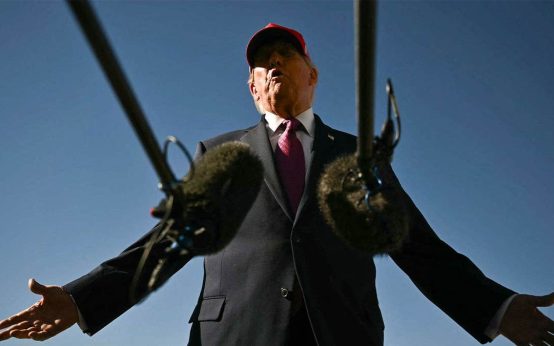 Trump Offers Support to Pope Leo XIV After Cancer Diagnosis
  Pentagon’s Strategic Choices Questioned Amid Drone Threats
 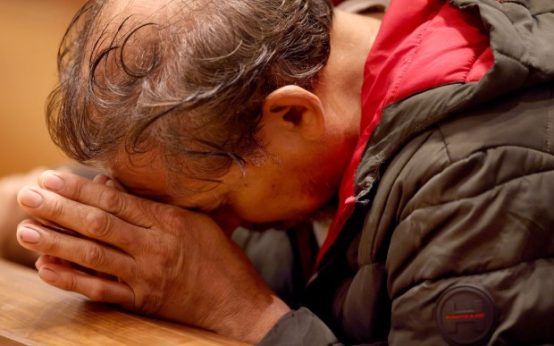 Chicagoans Pray for Pope Leo XIV’s Recovery Following Lung Cancer Diagnosis
  U.S. Treasury Sanctions Mexico’s Cartel del Noreste
  Rescue of Woman Overboard from Royal Caribbean Cruise
  Cartel Drone Use Increases Along the US-Mexico Border