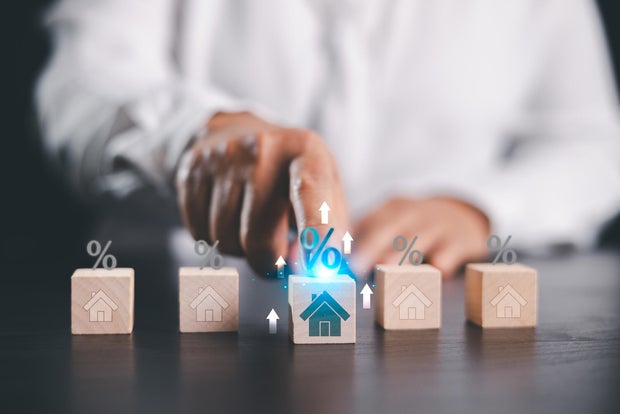
Rising inflation has significantly increased mortgage interest rates for borrowers. Inflation is now at its highest point in three years, affecting everything from groceries to gas, and crucially, mortgage rates. Recently, these rates have escalated from the high 5% range to about 6.62%.
Current Mortgage Rate Outlook
Kevin Watson, a home loan specialist and district manager for Churchill Mortgage, explains that mortgage rates have surged due to rising inflation. With inflation steadily increasing since February, driven largely by the conflict in Iran, experts do not anticipate rates falling soon.
Jeff Taylor, a board member for the Mortgage Bankers Association and founder of Mphasis Digital Risk, predicts that homeowners and buyers should expect mortgage rates to stay in the mid-to-upper 6% range for the year. Rates might reach the 7% range if the Iran conflict persists. The conflict contributes to inflation, leading investors to sell mortgage bonds, which raises rates.
Bonds, especially mortgage-backed securities and 10-year Treasuries, play a key role in influencing mortgage rates. When bond yields decline, rates typically drop. Conversely, rising yields from significant sell-offs make mortgages more costly.
Brian Shahwan, vice president and mortgage banker at William Raveis Mortgage, highlights that rising inflation tends to push bond yields higher, leading to higher mortgage rates.
Federal Reserve’s Role
Federal Reserve policy also impacts mortgage rates. Though the central bank cut rates three times last year, it has not done so in 2026. According to CME Group’s FedWatch tool, a rate cut this year seems unlikely, with a rate hike more probable. Nicole Rueth, senior vice president at CrossCountry Mortgage, notes a 50% probability of a Fed rate hike by year-end, and no rate cuts on the horizon.
Housing Affordability Challenges
Higher inflation leads to increased mortgage rates and, consequently, higher monthly payments. Inflation also affects home prices, particularly for new builds facing higher material and transport costs. Home insurance becomes more expensive and overall buyer budgets shrink.
Shahwan explains that climbing inflation can reduce homebuying budgets, as borrowing costs rise. Buyers might qualify for smaller loans or need to stretch budgets further due to higher interest, taxes, insurance, and other housing expenses.
Rueth points out that inflation shrinks the purchasing power of buyers’ savings, making down payments feel smaller. With falling wages, this disproportionately affects lower-income borrowers, first-time buyers, and those already stretching to enter the market.
Potential Future Developments
Experts do not expect mortgage rates to climb indefinitely. The conflict in Iran is a major factor driving current inflation and rates. Once resolved, rates should decrease, as noted by Watson. If the conflict does not end by year’s end, 30-year mortgage rates could reach the low 7% range.
Kevin Warsh, the new Federal Reserve chairman, might help avoid extreme rate increases. Taylor suggests he could maintain rates below 7% with policies aligned with White House goals to reduce rates.
Opportunities for Reduced Mortgage Costs
Despite these challenges, borrowers can still find ways to reduce interest rates. Adjustable-rate mortgages, relationship pricing, first-time buyer programs, and free rate float-downs offer options to decrease monthly payments.
Shopping around for lenders, using mortgage brokers, purchasing discount points, and utilizing mortgage buydown programs are other strategies to mitigate the impact of rising rates.
 Navigating Los Angeles Real Estate on a Budget
  Mortgage Rates Return Above 7% After Twenty Months
  Inland Empire Grapples with Growing Housing Affordability Concerns
  Challenges in Los Angeles’ Multifamily Housing Market
  Jevon Carter Sells Chicago Town Home
  Charming River Forest Home With Custom Features