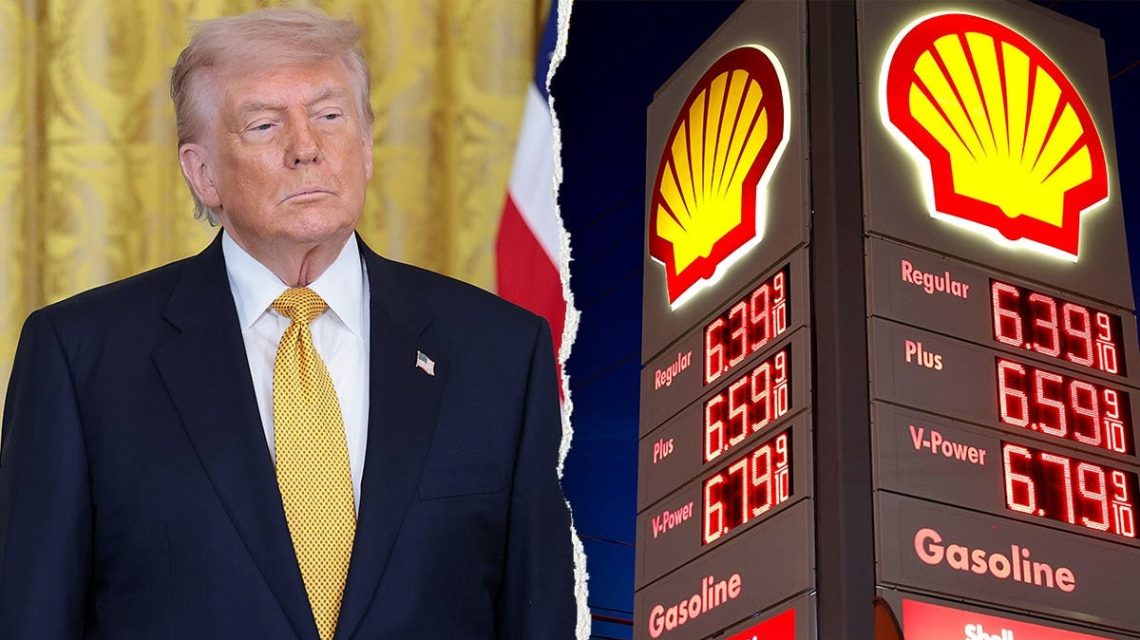
Nearly four years after the rise in gasoline prices, fueled by policies under the Biden administration, discussions about high prices have resurfaced. Former Transportation Secretary Pete Buttigieg criticized the Trump administration’s policies for inflicting economic pain, citing Trump’s actions in Iran as a contributing factor. Kamala Harris, former Vice President, added that Americans are bearing costs due to these decisions.
As the U.S. prepares for a busy summer driving season and midterm elections, political rhetoric against the Trump administration grows more intense. Critics often miss the insight of economist Thomas Sowell, who noted: “there are no solutions, only trade-offs.” Lawmakers now deliberate over President Donald Trump’s proposal to suspend the federal gas tax, aiming to ease fuel prices affected by conflicts in Iran.
During President Joe Biden’s tenure, climate concerns were prioritized. High energy prices were argued as necessary to combat climate change. Biden labeled it as an existential threat, with warnings from New York Democratic Rep. Alexandria Ocasio-Cortez and U.S. Climate Envoy John Kerry about impending dangers.
However, the public faced rising costs and saw through policy measures like California’s EV mandates and New York’s gas stove bans. By 2024, over 77 million voters supported a candidate promising to increase domestic energy production. Upon reentering office, Trump declared a national energy emergency, reversing Biden-era constraints on the industry.
Consequently, gas prices dropped to a four-year low, but troubles in Iran caused disruption in the Strait of Hormuz, impacting global oil flow. This led to a rise in gas prices again, affecting the public significantly.
Trump reassured the public that this phase wouldn’t last long, emphasizing the need to address Iran’s potential nuclear threat. The situation requires Americans to weigh eliminating a dangerous regime against temporary higher gas prices.
The United Nations recently adjusted some alarming predictions from its Intergovernmental Panel on Climate Change (IPCC), affecting public policy and the debate around climate issues. Young people are wary of having children due to climate crisis fears, influenced by scare tactics pushing nations away from reliable energy sources. During global turmoil like the Russia-Ukraine war, these choices exposed many countries to energy vulnerabilities.
Despite these challenges, the U.S. benefits from substantial natural resources, mitigating some impact of higher gasoline costs compared to countries like France and the UK. Here, gas prices remain half those overseas.
In the upcoming months, voters will decide on the balance between accepting higher energy costs and addressing global threats. Amid these discussions, some voices continue to promote unrealistic agendas. Reflecting on the green agenda and its implications is crucial as the nation chooses new leaders.
Daniel Turner, founder of Power The Future, advocates for American energy jobs and manages a farm in Virginia. He shares his insights on energy policies and their broader impact.
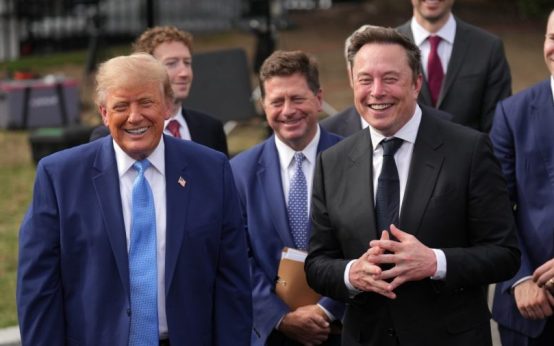 Trump’s 2024 Reelection and Evolving Voter Dynamics
  Defense Secretary Emerges as Key Player in the Trump Administration
 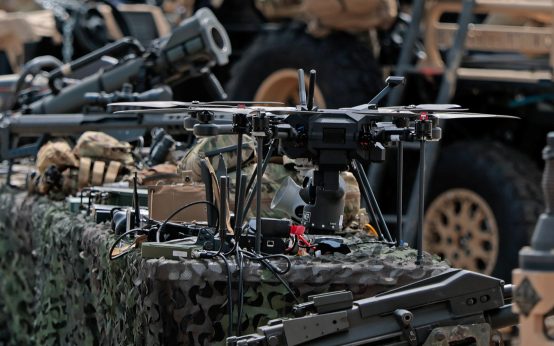 Hegseth’s Vision for the Military: Balancing Tradition and Innovation
 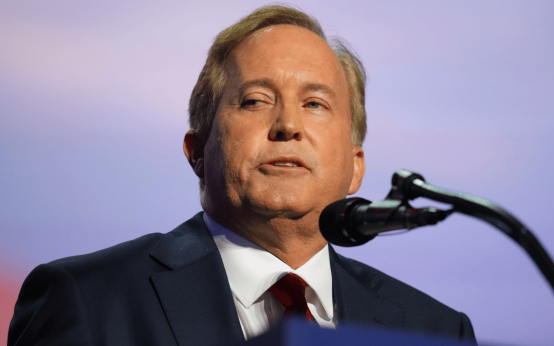 Significant Funding Boosts Ken Paxton’s Texas Senate Campaign Amid Tight Race
 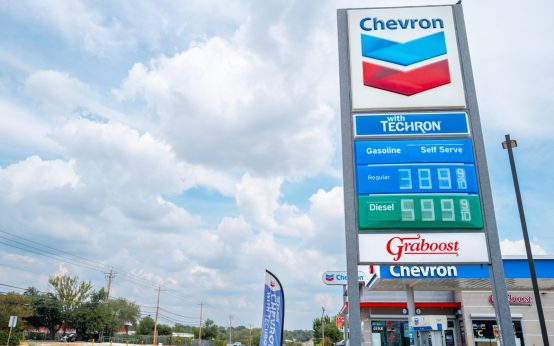 U.S. States Extend Gas Tax Waivers Amid Rising Fuel Costs Due to Iran Conflict
  USCIS Raises Immigration Fees