The Muckleshoot tribe, with roots in the Duwamish and Upper Puyallup peoples, holds salmon in high regard. For them, salmon represents more than sustenance; it embodies cultural heritage and tradition. This tribe is renowned as the Salmon People, emphasizing their deep ties to these aquatic creatures.
Mike Jerry Jr., a young member of the tribe, expressed a profound connection to both fish and water. He explained how fishing or swimming can forge an instinctual bond with nature.
Traditional Practices and Education
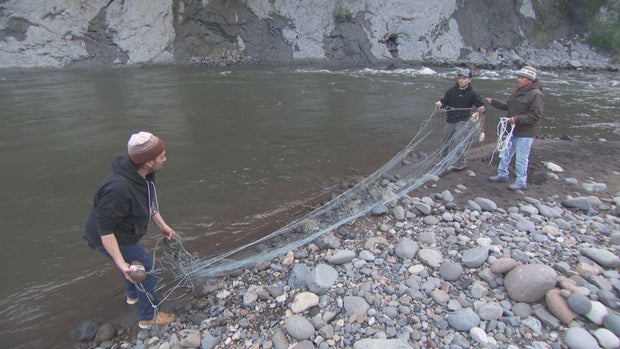
On a riverbank in Western Washington, Michael Jerry Sr. and his brother Cory early in the morning to teach Mike Jerry Jr. the ancient practice of using a small net to catch spring salmon. This method focuses on catching a single salmon, illustrating the tribe’s approach of sustainability and respect.
Cory Jerry highlighted the importance of the entire fishing process, from preservation and drying to smoking. This tradition embodies their upbringing and the desire to impart this heritage to future generations.
Spiritual Connections with Salmon
Warren King George, an oral historian, spoke about the spiritual significance of salmon. For the Muckleshoot, salmon are regarded as relatives that visit annually, reinforcing an interdependent relationship.
King George shared the legend of Salmon Boy, a pivotal figure who pledged to care for salmon habitats. In return, the fish would continue to sustain the people. This promise is honored annually during a ceremony celebrating the first salmon of the season.
“We gather the people here, and we have a feast. We thank that relative for returning home to feed the people,” King George said.
Struggles for Fishing Rights
Native American tribes in the Pacific Northwest, including the Muckleshoot, have faced challenges accessing fishing grounds. King George recounted the 1892 incident where Big John, a tribal member, received penalties for fishing outside the reservation. This marked the beginning of a prolonged struggle for fishing rights.
During the 1960s, known as “The Fish Wars,” Native tribes staged protests to secure these rights. These actions led to the 1974 Boldt Decision, which allocated half of the harvestable salmon to the tribes.
Current Challenges and Efforts
Today, Muckleshoot fishers catch 2% of wild salmon globally, benefiting people worldwide. Phil Hamilton, from the Muckleshoot Fish Commission, stressed the need to sustain salmon populations for economic viability.
Salmon populations face environmental threats, prompting the tribe to invest in habitat protection and restoration. While habitats have been dwindling, efforts have been made to preserve critical areas for salmon.
Maintaining clean water is paramount. Hamilton explained how the tribe secured crucial water agreements to support salmon populations. This has helped restore collapsed populations from the 1990s, expanding from a few boats to over 200, supporting 500 fishers today.
Hamilton expressed satisfaction in witnessing the joy and prosperity these efforts bring to the community, emphasizing the fulfillment derived from such endeavors.
 Readers React to Miss Manners Column
  Troy Swanson: Award-Winning Librarian Transforming Academic Libraries
  Lisdoonvarna Matchmaking Festival: A Unique Tradition
  Atlantic Ends September Without a Hurricane for First Time Since 1994
  Bobcat Sightings and Conservation Efforts in Illinois
  2026 El Niño: A Historical Comparison and Future Projections