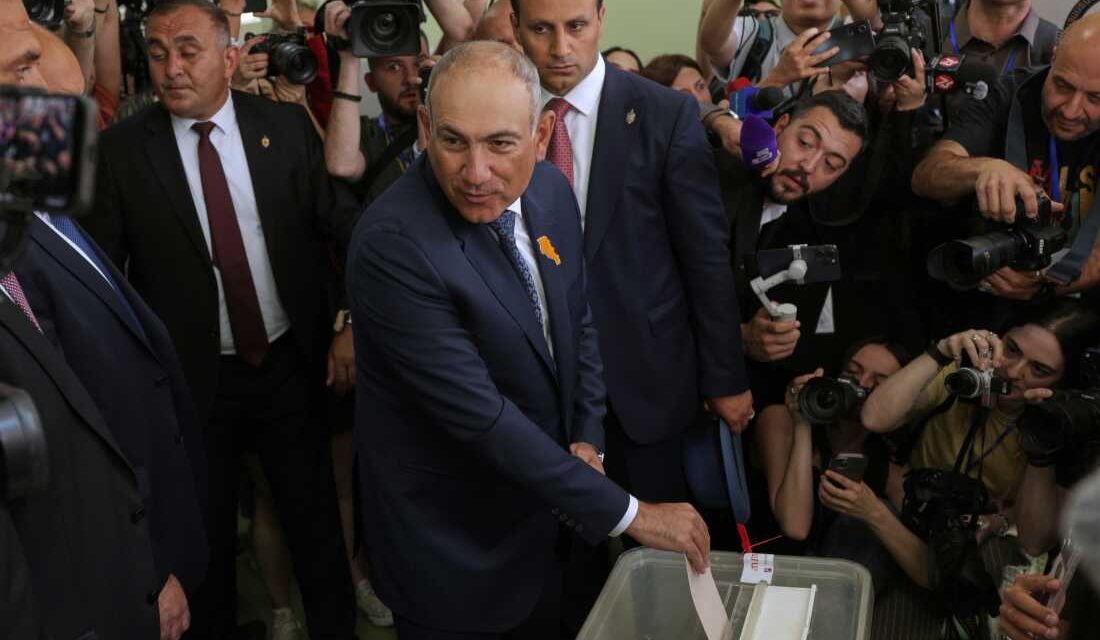
During the parliamentary election in Armenia on June 7, 2026, Prime Minister Nikol Pashinyan cast his vote, seeking a strong mandate to steer Armenia towards closer cooperation with Western countries. His Civil Contract party faces opposition from pro-Russian factions as it tries to shift geopolitical directions due to growing Russian pressure.
Pashinyan emphasized the importance of strengthening Armenia’s independence and democracy, stating that the European Union is a key partner in democratic reforms. He reiterated that relations with Russia remain respectful, despite recent trade restrictions imposed by Moscow on Armenian exports.
Russian officials have compared Armenia’s current geopolitical shift to Ukraine’s, expressing concerns over potential similar outcomes. Meanwhile, six arrest warrants were issued for members of the Strong Armenia party, accused of vote-buying, highlighting tensions ahead of the elections. Samvel Karapetyan, a Russian-Armenian business tycoon and head of Strong Armenia, dismissed the accusations as politically motivated.
The Armenian National Assembly requires at least 101 members, with parties needing a minimum of 4% of votes to gain seats. The election featured 17 parties and 2 blocs, with Pashinyan’s government heavily favored by Western nations. President Donald Trump publicly supported Pashinyan, positioning Armenia as a secure and prosperous nation.
Despite encouragement from Western powers, opposition factions in Armenia favor stronger ties with Russia. They argue that current leadership endangers relations with Moscow and criticize efforts to normalize ties with Azerbaijan. Former President Robert Kocharyan and Gagik Tsarukyan lead parties critical of Pashinyan’s policies.
Russia’s recent export bans on Armenian products are seen by the EU as economic coercion, employed to exert political pressure. The bans cover various goods from flowers to cognac. The European Commission condemned this move, noting its resemblance to previous geopolitical tactics.
Russian President Vladimir Putin highlighted that Armenia cannot simultaneously be part of both the EU and the Eurasian Economic Union. Armenia’s energy and infrastructure remain heavily reliant on Russia, with Moscow providing subsidized gas. The geopolitical balancing act remains crucial as Armenia navigates its future directions.
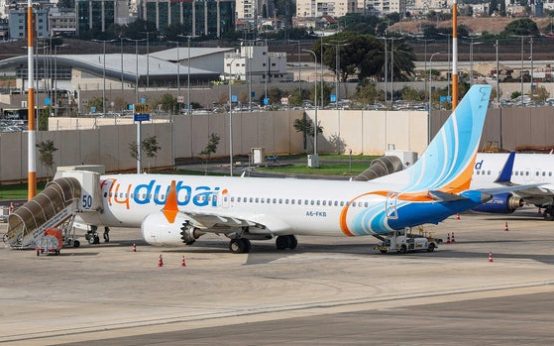 Incident on FlyDubai Flight Raises Security Concerns
 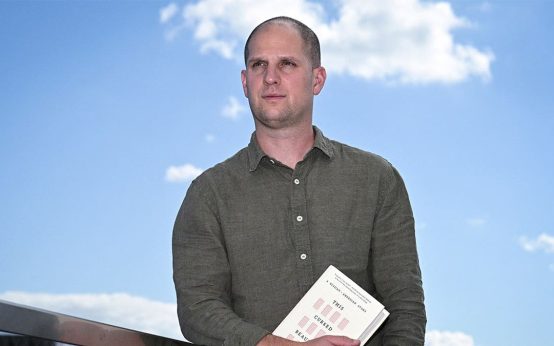 Journalist Gershkovich Discusses Wrongful Detention and Release in Russian Prisoner Swap
 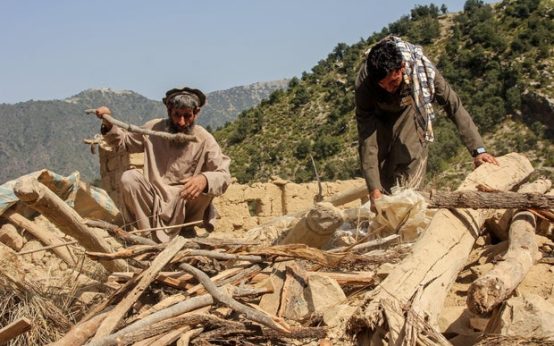 Pakistan Airstrikes in Afghanistan: Civilian Casualties Reported
  Trump’s 2024 Reelection and Evolving Voter Dynamics
  Defense Secretary Emerges as Key Player in the Trump Administration
  Ukraine Converts APCs to Explosive Devices in Donetsk Offensive