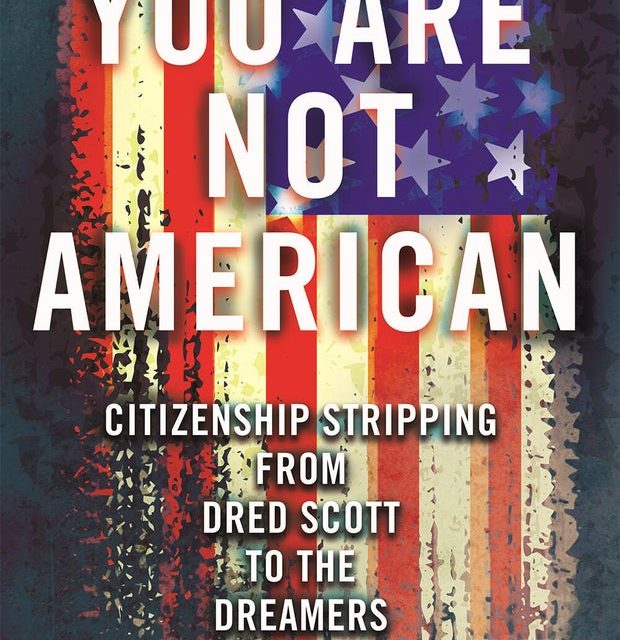
Birthright citizenship is a fundamental right defined in the 14th Amendment of the U.S. Constitution. It states, “All persons born or naturalized in the United States, and subject to the jurisdiction thereof, are citizens of the United States and of the State wherein they reside.” According to Amanda Frost, a law professor at the University of Virginia, this means anyone born in the U.S. automatically becomes a citizen, except for children of diplomats and hostile occupying forces.
Despite the clarity of the constitutional provision, public opinion remains divided. A Pew Research Center poll found that Americans are almost equally split on whether children of undocumented immigrants should receive citizenship at birth: 50% support it, whereas 49% do not.
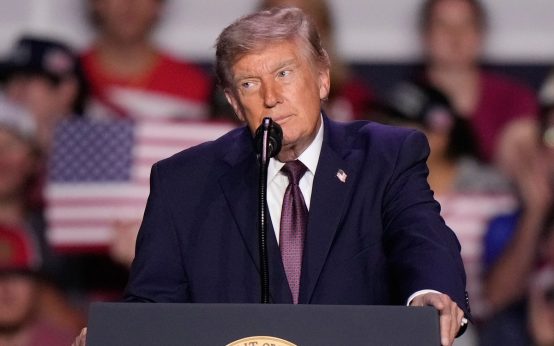
In January 2025, an executive order by President Trump aimed to limit this interpretation of the 14th Amendment, potentially affecting approximately 250,000 children born to parents in the U.S. illegally or temporarily each year. However, a lower court blocked the order, and the debate moved to the Supreme Court.
Historically, the Supreme Court addressed birthright citizenship over a century ago in its ruling on Dred Scott v. Sandford, which denied citizenship to Black individuals, enslaved or free. This decision prompted constitutional change post-Civil War, leading to the 14th Amendment’s passage in 1868, which affirmed the citizenship of formerly enslaved people and immigrant offspring.
“The Reconstruction Congress wanted to make it clear that all four million formerly-enslaved people were citizens of the United States,” explained Frost.
One significant case involved Wong Kim Ark, born in San Francisco to Chinese parents, who faced denial of reentry in 1895 due to the Chinese Exclusion Act. His legal victory reinforced birthright citizenship.
Political scientist Rogers Smith’s work highlights vagueness around unauthorized aliens’ children’s citizenship status in the 14th Amendment. Smith argues that Congress should decide these complex issues rather than shifting responsibility onto the courts. While his scholarship is cited by proponents of restricting birthright citizenship, Smith does not support such limitations.
Globally, most countries have moved away from universal birthright citizenship. Ireland ended automatic birthright in 2005, showing a shift in European policies. This left individuals like Mariam Sobayo, born in Dublin to Nigerian immigrants, stateless. Sobayo became an Irish citizen in 2023, underscoring challenges faced when birthright citizenship ends.
Frost views the American embrace of immigrants favorably, noting their substantial impact on sectors like business. Half of Fortune 500 companies are led by immigrants or their children, highlighting successful integration. She believes discussions on birthright citizenship reflect America’s founding values of equality and opportunity. “Immigration is a complicated global issue with no easy answers,” she says, emphasizing the importance of maintaining birthright citizenship.
 Celebrity Controversies Over Political Activism and Speech
  Trump Pushes for Permanent Daylight Saving Time, Sharing Senator’s Contact Information
  Tucker Carlson’s Comments on Britain’s WWII Decision Ignite Controversy
  Trump’s White House Ballroom Project Faces Challenges and Rising Costs
  The Role of JD Vance in Addressing Working-Class Concerns
  Trump Advocates for Expanded Use of Capital Punishment Amid Execution Controversy