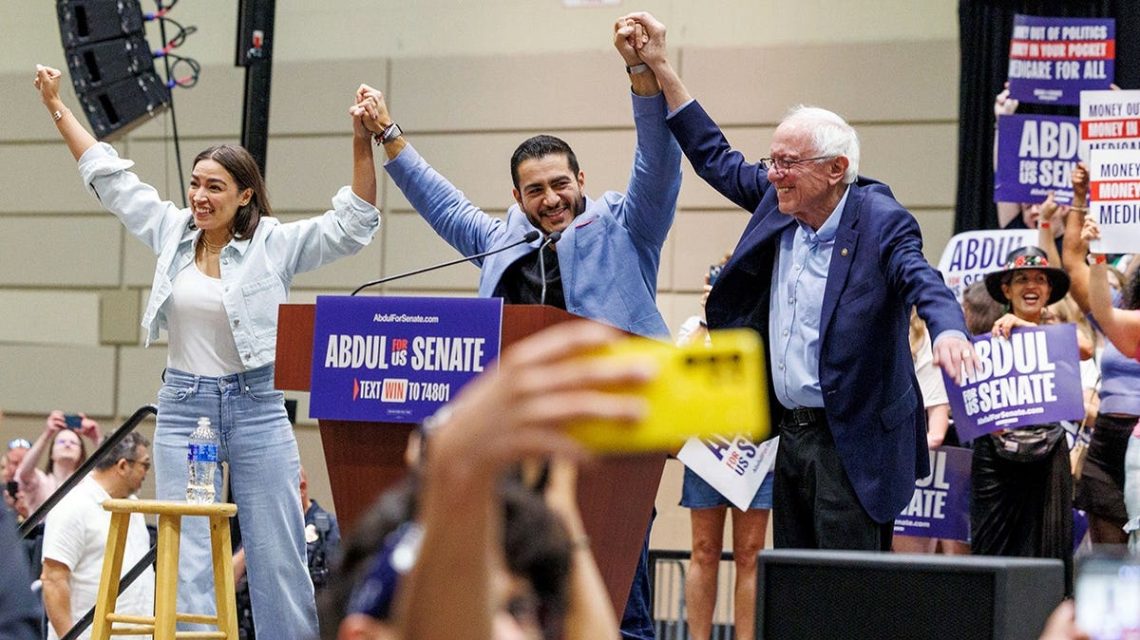
This summer, as many Americans were enjoying seasonal activities like fireworks and preparing for the fall football season, the Democratic Senate candidate in Michigan, Abdul el-Sayed, found himself in a difficult situation. CNN revealed that he had erased past statements criticizing fireworks and linking football to slavery. Running in a state that supported President Donald Trump twice in the last decade, el-Sayed preferred to adjust his stance and affirm his enjoyment of Michigan football on Saturdays rather than defend his earlier statements.
Character can define a candidate, and el-Sayed’s actions have already left an impression on voters. Rep. Alexandria Ocasio-Cortez, along with Michigan Senate candidate el-Sayed and Sen. Bernie Sanders, represent a movement trying to reconcile hard-left views with the political climate of a center-right nation.
In Wisconsin, Democratic Socialist candidate Francesca Hong faced a similar dilemma. Her gubernatorial primary campaign struggled with reactions to her past social media commentary, which included support for canceling Thanksgiving. Despite her later efforts to present Thanksgiving as her favorite holiday, her earlier remarks affected her chances. Hong came close to securing the nomination in a highly competitive state.
The trend of candidates facing scrutiny for past comments extends beyond individual campaigns. New York Democrat Rep. Alexandria Ocasio-Cortez has addressed similar concerns, referring to ‘Woke 1.0’ as an extreme phase. These cases highlight a growing issue. Candidates today frequently encounter challenges when past social media posts contradict current political strategies.
Three significant factors contribute to this situation:
- Activists are filling a void in the Democratic Party, pushing for new ideas and leadership. The party is still coming to terms with past election failures, and without acknowledging these, progress is difficult.
- Candidates from this new generation have always had access to social media. Figures like el-Sayed, Hong, and Ocasio-Cortez have utilized online platforms, often without considering long-term implications for political campaigns.
- Many of these candidates express views aligned with socialism, challenging traditional American ideals. Expressing opposition to mainstream celebrations like football, fireworks, and Thanksgiving reflects these beliefs.
This notion connects with a broader political message. Promoters of socialism advocate for benefits like free health care and education while navigating economic discourse with promises of fair wealth distribution. However, Republicans view these sentiments as misaligned with reality, warning of the potential drawbacks.
As midterm elections approach, the Republican Party grapples with various obstacles. Although former President Trump is not a candidate, prevailing international issues, such as the conflict in Iran, influence voter sentiment and approval ratings. Nonetheless, Republicans see an opportunity to emphasize that past extreme ideologies continue to influence current Democratic perspectives.
Old social media content, while removable, leaves lasting impressions on candidate philosophies. These insights suggest a disconnect between certain political strategies and widespread public opinion.
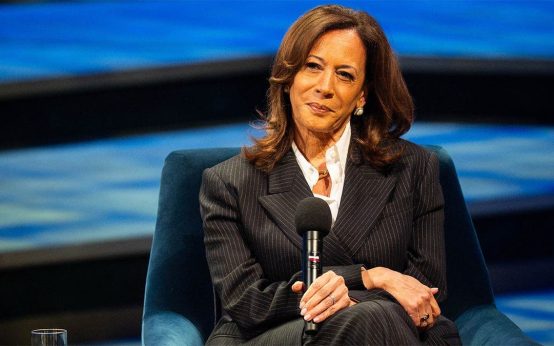 Democratic Senators Discuss Potential 2028 Presidential Candidates
 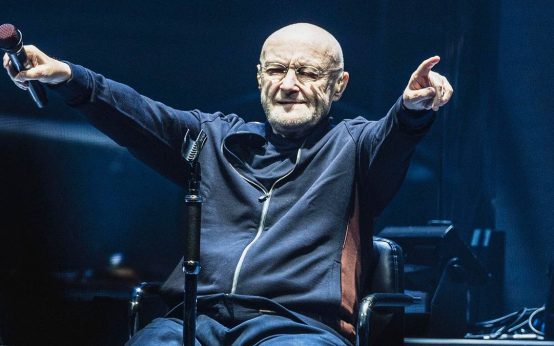 Phil Collins Criticizes Trump, Talks Unwritten Song about America
 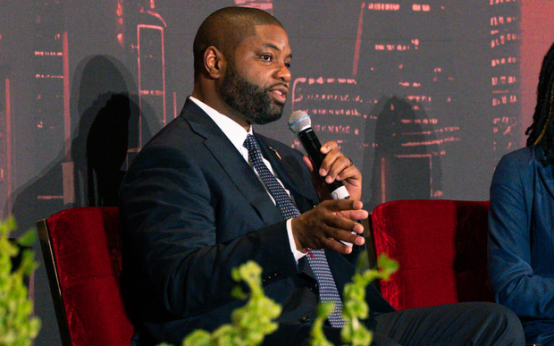 Byron Donalds Targets Black Voters in Florida Governor Race
  Brazil’s Presidential Race Heads to Runoff
  Sen. Thom Tillis Criticizes Trump’s Administration in New Book
  Controversy Surrounds Steve Hilton’s Campaign Ad Amid Gubernatorial Race