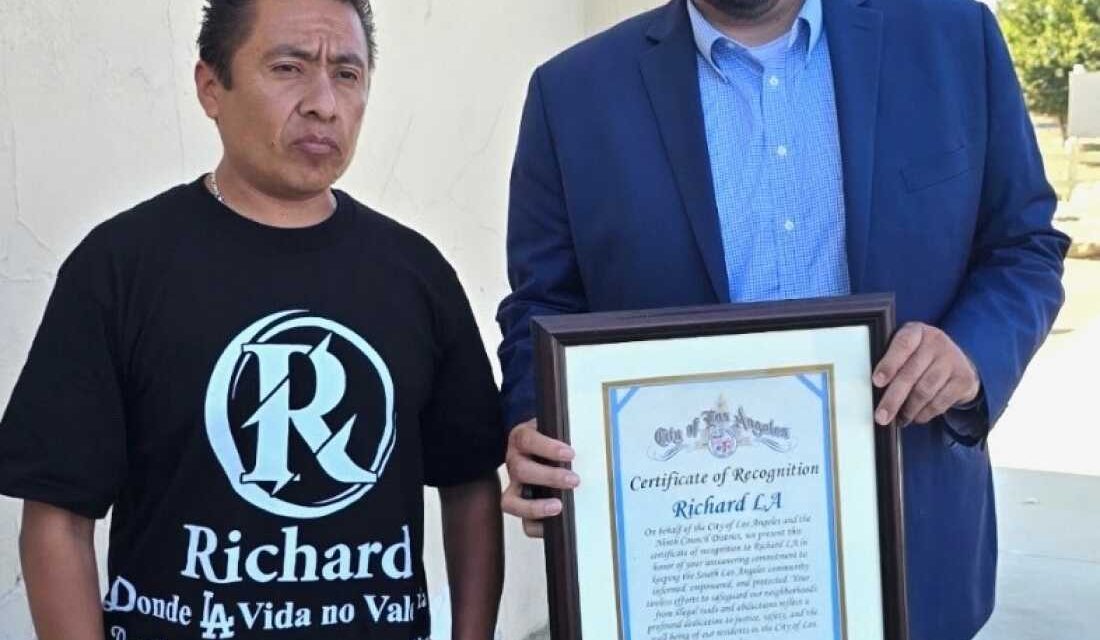
In August 2025, Carlitos Ricardo Parias received a certificate of recognition in Los Angeles. Jose Ugarte, chief of staff for Los Angeles City Council member Curren Price, presented the certificate. This recognition came as Parias faced a challenging situation, detained at Adelanto Detention Center in California.
Every Saturday, Ulises Parias drives two hours to visit his father. They speak over the phone often about family and college life. Health issues are common topics. Eight months have passed since Parias was shot during an immigration arrest in Los Angeles. His attorneys claim he lacks adequate medical care, especially for his left arm injury.
Shooting during immigration arrest highlights systemic issues and immigration enforcement concerns.
Ulises recalls the day of his father’s arrest as a terrifying experience. “The last thing he told me was, have a good day at school,” Ulises said. Shortly after, federal agents wounded Parias, shattering his car window in the process.
His immigration case portrays the hurdles faced by many in similar situations. Parias’ case is not unique. Scrutiny on federal law enforcement intensified this year after similar incidents in Minneapolis. These cases raise questions about the use of force and internal detention center conditions.
Parias’ attorney, Margaret Hellerstein, outlines the systemic deficiencies. “There are not enough people, and there’s not enough concern,” she said. Parias, who arrived from Mexico in 2002, lived in Los Angeles for over 20 years. His social media presence grew, especially after he began documenting immigration enforcement activities last year, catching the attention of ICE.
Interaction with ICE Leads to Tragic Shooting
In October, federal officers intercepted Parias as he left his house. A confrontation ensued, captured on body camera footage. Officers surrounded his car, issuing various commands. Ultimately, an officer fired at Parias, injuring him and a U.S. marshal. Parias faced legal charges for assaulting a federal officer, despite a previously clean record.
Medical records detail persistent pain and limited mobility. Treatments provided have not alleviated his symptoms. While DHS claims Parias receives medical assistance, these efforts seem insufficient as his pain continues. An orthopedic evaluation resulted in a physical therapy referral, yet by May, his condition showed little improvement.
Legislation Impacts Detention Policies
Following the incident, Parias entered ICE custody under the Laken Riley Act. This legislation prioritizes detention for those without legal status facing specific charges. U.S. District Judge Fernando Olgin dismissed charges against Parias due to lack of adequate legal representation. The government appealed, delaying resolution further.
Immigration attorneys filed a habeas petition, seeking Parias’ release. They argue bond limitations under current legislation. Judge Olgin ordered a bond hearing. However, ICE contended that the immigration judge lacked jurisdiction. Eventually, bond was denied, citing Parias as a flight risk.
Current policy increases reliance on habeas petitions. Hellerstein describes this process as lengthy, compounding the hardship on detainees like Parias.
Limited Accountability and Resources
Congresswoman Sydney Kamlager-Dove visited Parias, emphasizing his urgent need for medical treatment. Her office’s communications with DHS reflect ongoing challenges in securing necessary care.
Despite congressional inquiries and visits, detainee care remains a significant concern.
Recent congressional actions funded immigration enforcement but lacked oversight support. As a result, Democratic lawmakers face limited options without majority control. Kamlager-Dove sees midterm elections as a potential turning point for legislative oversight capacity.
Family Resilience Amid Challenges
Parias’ son Ulises juggles school responsibilities while adapting to his family’s circumstances. He helps his family by translating and understanding legal complexities. “Every time a lawyer came to the house, I had to translate everything,” he said.
Detention often serves as a mechanism to pressure undocumented individuals into leaving. “For most people, ICE detention is not punitive,” said Hellerstein, though Parias challenges this notion with his continued detention.
Currently, Ulises remains focused on his engineering studies and finding joy despite everything, although the absence of his father lingers heavily during treasured moments like watching World Cup games.
Ulises hopes for positive news soon, longing to reunite with his father. “This is the first World Cup where I’m experiencing it alone,” he expressed. “I hope the next call from the lawyer brings news of him joining us again.”
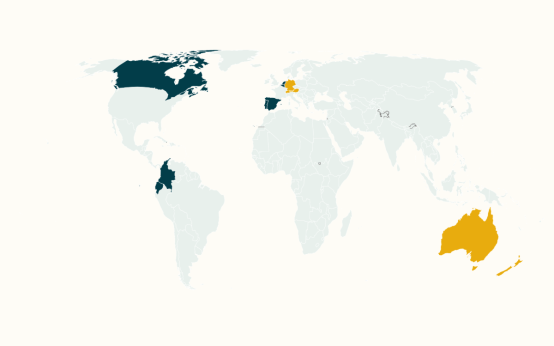 Dutch Review Board’s Euthanasia Ruling and International Debate
 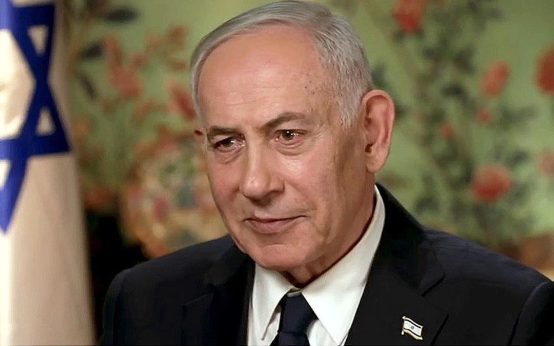 Israeli PM Commends Heroic Actions in Flight Emergency
 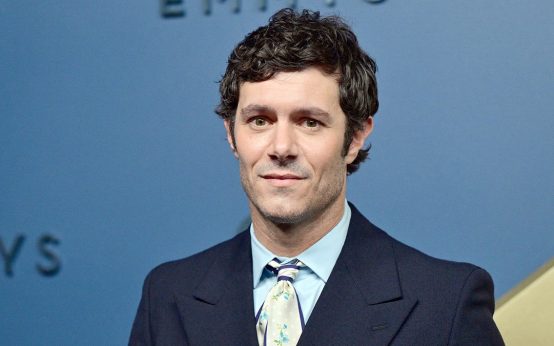 Rabbi and Jewish Leaders Criticize Adam Brody for ‘Genocide’ Comment
  Flydubai’s Emergency Landing Highlights Cockpit Security
 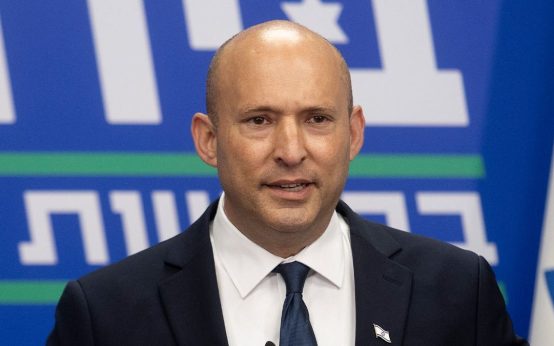 Former Israeli PM Naftali Bennett Commends Passengers and Crew for In-Flight Heroism
 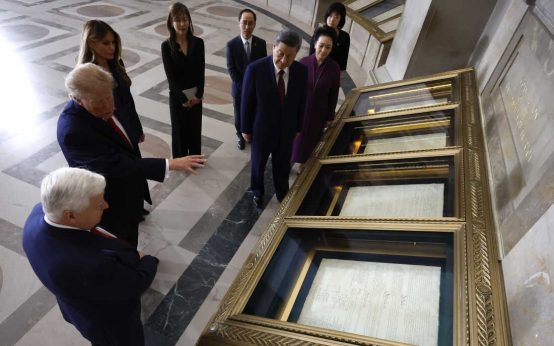 Diplomatic Complexities Unfold at U.S. National Archives Visit