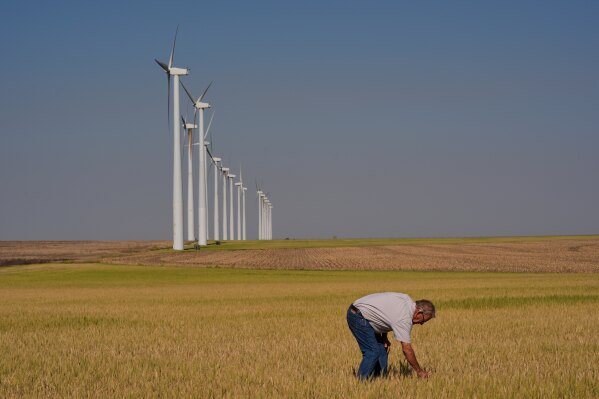
Orville Williams has been growing wheat on his 2,600-acre farm in Montezuma, Kansas, for decades. Despite difficult economic periods and recurring droughts, he maintained a healthy crop every year. This season, however, Williams, 76, faces unparalleled challenges. ‘All in all, it’s not going to be a good year,’ he stated.
The U.S. has experienced record droughts and unusual temperatures this year, severely impacting the Plains. Wheat farmers are battling diseases like wheat streak mosaic virus and barley yellow dwarf virus, which have spread due to the drought. Rising costs for fertilizers, fuel, and tariffs are worsening their plight. ‘It’s kind of a double whammy,’ Williams remarked.
Crop production estimates are alarming. The U.S. Department of Agriculture reports the expected wheat yield is 1.56 billion bushels in 2026, a 21% decrease from the previous year. Kansas, a leading wheat producer, is hard hit, with 58% of the crop rated ‘poor’ or ‘very poor’. These figures echo conditions last seen during the severe drought in 2023.
Kansas State agronomist Romulo Lollato highlights the impact on consumers through increased bread prices and reduced international market presence for U.S. wheat. With insurance claims rising, farmers are considering switching to alternative crops. Williams, who previously saw yields of nearly 100 bushels per acre, expects only 30 to 40 per acre, and even less on dryland areas.
‘Rain makes grain,’ said Mike Nickelson, a Kansas farmer, underscoring the importance of timely rainfall.
Worsening extremes, including intense winter heat and insufficient rain, challenge farmers accustomed to seasonal patterns. Brad Rippey, USDA meteorologist, notes a decline in wheat acreage due to these conditions, with the U.S. losing its market share to Russia and the EU. Wheat remains a major U.S. crop after corn and soybeans, yet farmers face relentless pressure from environmental factors.
The drought accelerates crop growth, leading to lower quality harvests. By early May, 86% of Kansas wheat had seeded, compared to the typical 61% over the last decade. Abandonment rates are high, with about 32% of this year’s crop left unharvested.
Further compounding challenges are soaring fuel prices, driven by geopolitical issues, and increased costs for essential farming materials. Urea fertilizer prices have risen significantly, deepening financial strains. Ben Palen, a farming consultant, acknowledges the limits of crop insurance and government aid, stating, ‘this is probably about as challenging of a time to be a farmer that I can recollect.’
 Collapse of Hawai’i’s Hōlei Sea Arch Amidst Storms
  Los Angeles Faces Uncommon Heatwave in October
  Drought Drives Black Bears Closer to Human Activity
  Atlantic Ends September Without a Hurricane for First Time Since 1994
  Bobcat Sightings and Conservation Efforts in Illinois
 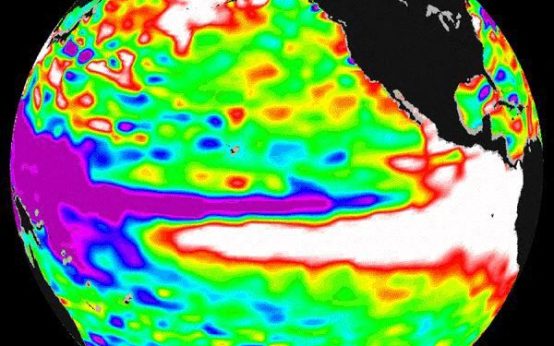 2026 El Niño: A Historical Comparison and Future Projections