
Chicago experienced a notable decrease in violent crimes last year, marking the lowest in six decades. Despite this positive trend, the city faces challenges as homicides have risen by 7% this year. This increase coincides with the arrival of summer, a season known for heightened violence.
Budget constraints are contributing to the problem. Federal pandemic relief has ended, and remote work has impacted downtown business, leading to less available funding. Chicago’s current financial situation requires cost-effective strategies for violence reduction.
Recently, the city invested $100 million in Community Violence Interventions (CVI). CVI involves community organizations working to prevent interpersonal conflicts from escalating into gun violence. Strategies include street outreach, mentoring, jobs programs, and case management. However, CVI is not designed to solve poverty, but to address specific conflict issues.
“CVI works to interrupt the interpersonal conflicts that can lead to shootings.”
Cognitive behavioral interventions are considered an effective enhancement to CVI. These interventions teach individuals to reassess their initial reactions, potentially reducing violent responses.
READI Chicago is a key program implementing these methods. Participants receive job opportunities, cognitive interventions, and support from street outreach workers for 18 months. Interviews with 99 men from high-violence neighborhoods provide insights into how past experiences of violence impact reactions to future events.
Three recurring patterns were identified:
- Altered Perceptions: Victims of violence often misinterpret neutral interactions as hostile due to their past experiences.
- Limited Response Options: Exposure to violence can narrow perceived choices, leading individuals to consider violent retaliation.
- Self-Perception as Violent: Previous involvement in violence can lead individuals to view themselves as innately violent.
These patterns reflect typical responses to chronic violence but are changeable through cognitive behavioral interventions. The majority of READI participants viewed the program as an opportunity for personal growth, indicating a shift in self-perception and decision-making.
Interviews, along with statistical evidence, highlight the efficacy of cognitive interventions. A study revealed a 65% reduction in shootings and homicide arrests among READI participants. Each participant costs around $60,000, but savings in hospitalization and incarceration justify the expense.
Programs like Becoming a Man (BAM) and Choose to Change have also demonstrated significant crime reductions among youth. To make CVI more effective, cognitive behavioral skills should be integrated consistently into these programs.
This approach does not require substantial additional funding, providing a practical and evidence-based solution to Chicago’s violence. Mayor Brandon Johnson can capitalize on CVI’s potential to lower crime rates without incurring high costs.
Megan Kang, a sociologist at Johns Hopkins, is affiliated with the University of Chicago Crime Lab and co-authored related research. Submit letters to the editor to further discuss this topic at [email protected].
 Volunteer Enthusiasm Shines at Frank Lloyd Wright Home and Studio
 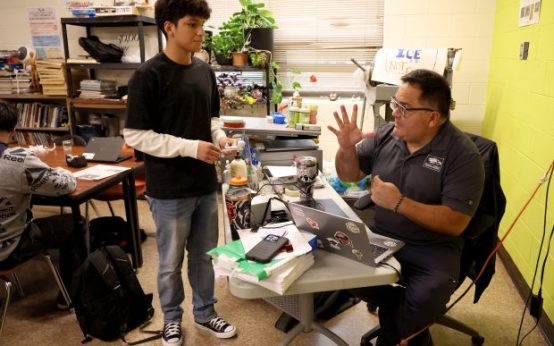 Celebrating Día de los Muertos: Students Create Calaveras for Pilsen
  Handling Rumors When Selling a Home
  New Orleans Free Store Brings Hope to the Lower Ninth Ward
  Celebrating LemonAid’s Legacy at Its Final Event on 9/11 Anniversary
  Rock the Block Brings Music and Community to Lake Zurich