
The Cuban government has announced a major economic restructuring. This comes in response to what experts describe as Cuba’s worst crisis in modern times. The drastic plan includes 176 measures to allow more private enterprise and reduce government control over economic activities.
The measures are seen as crucial amid prolonged power outages and increasing pressure from the Trump administration. The U.S. government continues to impose sanctions, severely limiting Cuba’s access to needed funds. While Cuba denies that the changes aim to satisfy U.S. demands, experts and observers suggest otherwise.
Official statements highlight the necessity to revive the economy, which struggles under decades of centralized control. Despite these reforms, officials insist that Cuba will continue to uphold its socialist ideals.
The new economic blueprint, hastily passed by Cuba’s legislature, marks a significant departure from past policies. It’s a departure from the regime’s tight grip that has been customary since the Communist revolution of 1959. This shift indicates a willingness to concede some control.
Key aspects of the plan include introducing private banking and allowing individuals to own more than one business and real estate property. However, experts remain skeptical about the success of this transformation. They argue that adopting a market-driven economy, akin to Vietnam or China, seems improbable without easing U.S. sanctions.
The Cuban economy, crippled by longstanding inefficiencies and external pressures, faces a hard path to recovery. The restructuring signals an urgent attempt to navigate these challenges while maintaining socialist principles.
 Dutch Review Board’s Euthanasia Ruling and International Debate
  Israeli PM Commends Heroic Actions in Flight Emergency
  Rabbi and Jewish Leaders Criticize Adam Brody for ‘Genocide’ Comment
  Flydubai’s Emergency Landing Highlights Cockpit Security
 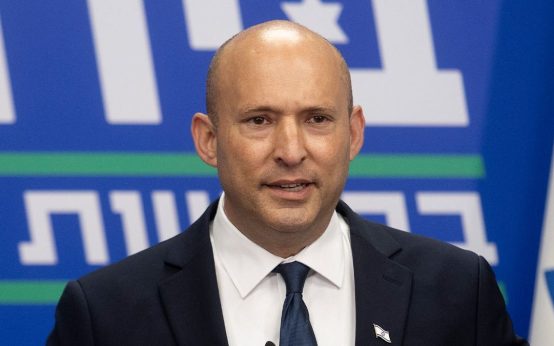 Former Israeli PM Naftali Bennett Commends Passengers and Crew for In-Flight Heroism
 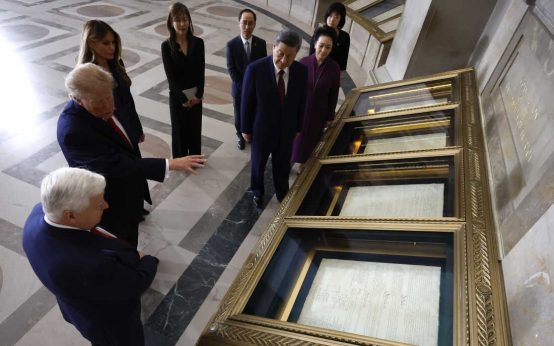 Diplomatic Complexities Unfold at U.S. National Archives Visit