A Mexican national who resided in the United States for nearly twenty years is asking a federal judge for assistance in returning to the U.S. He claims immigration authorities deported him without a valid removal order, despite his refusal to leave.
Ernesto Zuniga Hilario states that Immigration and Customs Enforcement (ICE) detained him in Texas in September. ICE then deported him to Mexico without providing an opportunity to understand or contest the government’s legal reasoning. His lawyers filed a habeas corpus petition in the U.S. District Court for the Western District of Texas.
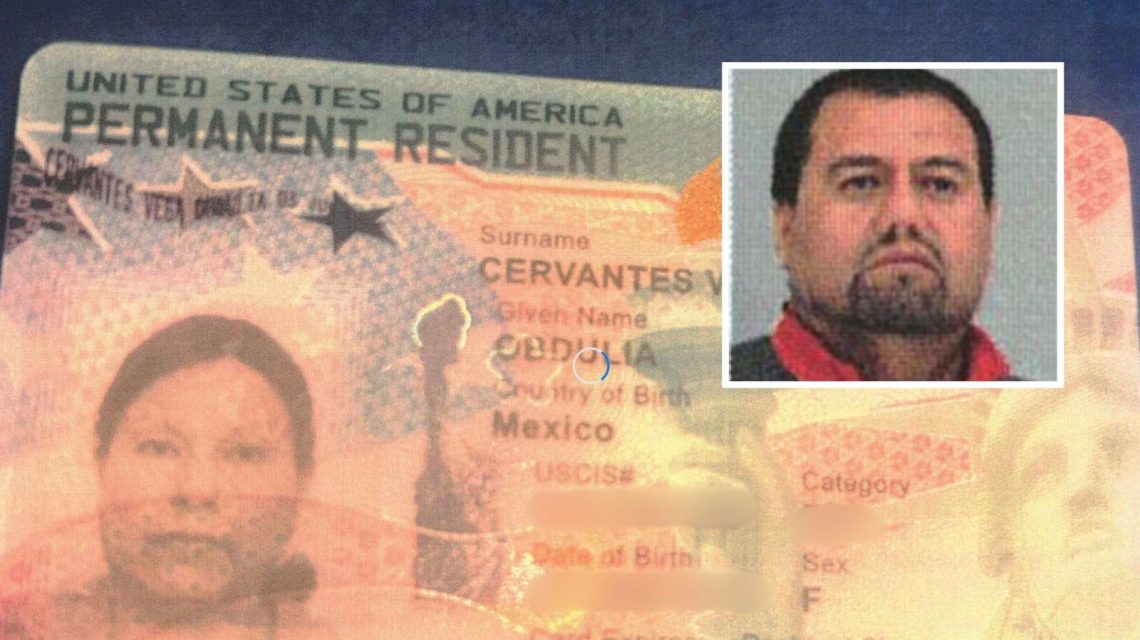
Zuniga Hilario last entered the United States without inspection in 2008, living near Lometa, Texas. His petition notes he is married to Obdulia Cervantes Vega, a lawful permanent resident, and has four U.S.-citizen children.
A Department of Homeland Security (DHS) spokesperson informed Newsweek: “The claim that Ernesto Zuniga Hilario didn’t receive due process is FALSE. Zuniga Hilario signed his voluntary departure form on September 6 in blue ink. He left the United States and returned to Mexico on September 16. Breaking our country’s laws is always a bad decision.”
This statement contradicts Zuniga Hilario’s petition, asserting he declined voluntary departure to present his case, hoping to appear before an immigration judge. DHS reported his arrest following a traffic stop by Lampasas County Sheriff’s Office, stating he illegally entered the U.S. “at an unknown date and time by sneaking across our border on foot.”
Newsweek contacted Zuniga Hilario’s legal team for comment and is awaiting a response.
Under the previous administration’s mass deportation policy, several wrongful deportations occurred, leading federal judges to challenge these actions and, at times, order DHS to facilitate returns.
Zuniga Hilario’s lawsuit contends immigration authorities had no legal basis to deport him as there was no expedited removal order or one by an immigration judge. He acknowledges past immigration encounters but notes none led to a removal order. His apprehension occurred while traveling with family for a therapy appointment, with detention taking place at the T. Don Hutto facility in Taylor, Texas.
During detention, Zuniga Hilario claims he repeatedly declined voluntary departure, aiming to present his case, but instead authorities transported him to Mexico City without allowing him to challenge the removal’s legal basis. He asserts this departure was non-voluntary.
The lawsuit argues he was denied due process. Attorneys allege they needed to notify him if officials reinstated an earlier order and provide a chance to contest, which he claims did not happen.
The petition admits facing a jurisdictional challenge since he was removed when the case was filed. However, his attorneys stress this case’s uniqueness, alleging removal without an underlying order and no opportunity to contest it.
 The States Project’s Fundraising Success in 2026
  Mississippi Senate Race: Democrat Challenges GOP Incumbent
  Hong Kong’s Economic Outlook Amid Political Changes
  U.S. Military Expansion Targets Drug Trafficking Networks in Latin America
  Swing Voters Reflect on Trump’s Impact Ahead of Midterms
  Controversy Surrounding Proposed Livestreamed Execution and Christian Nationalism