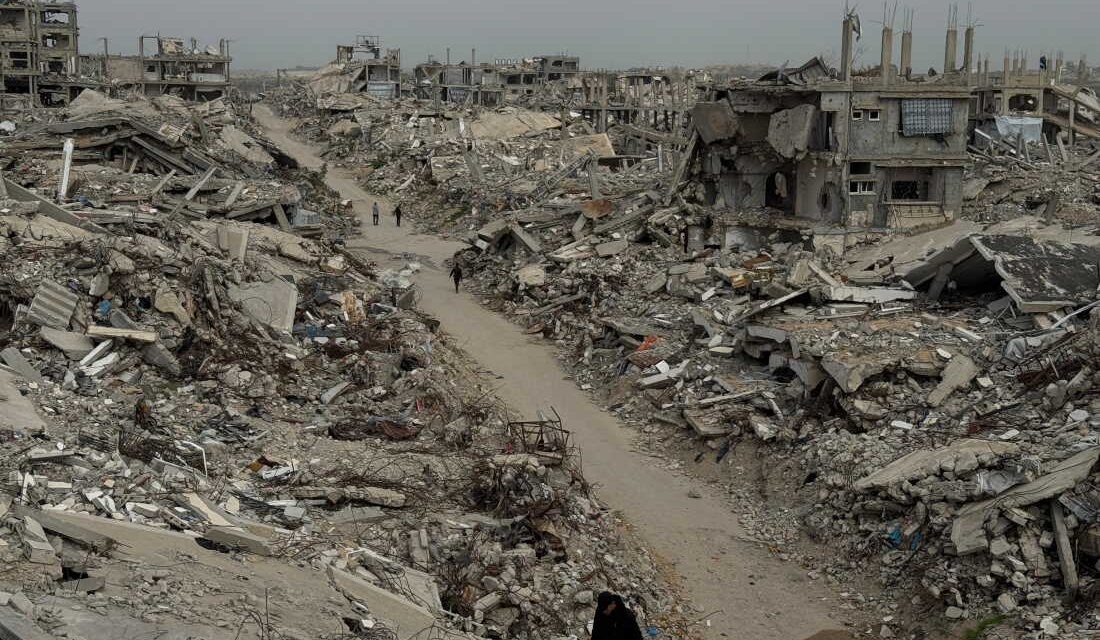
In October 2024, an Israeli strike obliterated a neighborhood in Beit Lahia, Gaza. Among the casualties were 132 members of the Abu Naser family, as documented by an NPR investigation.
Editor’s note: This story discusses sensitive content, including images and descriptions of human remains.
Massive Loss in Beit Lahia
In the northern part of Gaza, an Israeli drone hovers over what used to be homes, now mass graves. A recovery team embarks on one of its first missions to retrieve bodies buried deep under the ruins. Their goal is to honor and give a proper burial to those lost, like the Abu Naser family overwhelmed by tragedy.
“We’ve been dreaming every day of the moment we could recover the martyrs, honor them, and bury them,” said Ola Abu Naser, a 30-year-old survivor.
Approximately 8,000 bodies remain trapped under debris across Gaza, according to local health ministry reports. NPR chronicled a three-day recovery mission at the Abu Naser family site.
The Challenge of Recovery
Gaza faces significant obstacles in recovery efforts. With only one functioning excavator in Gaza dedicated to body recovery, the task becomes monumental. The International Committee of the Red Cross confirms this lone excavator, stating it is inadequate given the vast scale of need.
“The scale of the need is so high. One functioning excavator is simply not enough,” said Pat Griffiths, Red Cross spokesman.
A second excavator will soon join the efforts. Yet, significant recovery is unlikely without easing restrictions imposed by Israel, who link heavy machinery to potential military uses.
Following the Scent
The rescue involves both machinery and manual scent tracking. Once machines lift the heaviest debris, rescue teams drop to their knees, using their senses to locate bodies. Survivors identify remains by familiar objects and clothing rather than DNA testing.
“It’s like you’re searching for a needle in a haystack,” said Ola Abu Naser.
A Painful Irony of Survival
Over the first two days, teams recovered only a fraction of bodies from the destruction. Survivors gather to watch as remains of loved ones finally see daylight after a year and a half.
“The ones who died are the survivors. The ones who survived are the dead,” said Ola Abu Naser.
By the end of their efforts, more bodies were retrieved, yet many still lay buried. For the Abu Nasers, agony lingers as family members remain missing, with heavy machinery unable to reach all areas.
Continuing Grief
As the mission ends, the family holds prayers over the recovered remains. Survivors then dig graves to provide their loved ones a proper resting place.
The heavy digging equipment moves to an adjacent home, marking the beginning of another family’s painful recovery journey. Their wait, like many in Gaza, persists—each family desires the dignity of closure.
NPR’s Daniel Estrin reported from Tel Aviv, Israel.
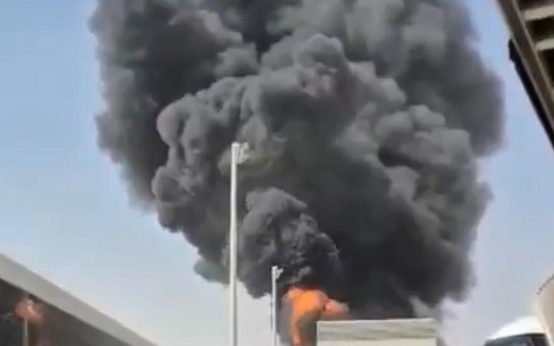 Strike on Riyadh Airport Leaves 12 Dead, 309 Injured
  Trump Criticizes Nobel Committee Over Peace Prize Decision
  Pope Leo XIV Criticizes Death Penalty and Pentagon’s Execution Plans
  Trump Calls for Zelensky’s Replacement Amid Escalating Tensions
 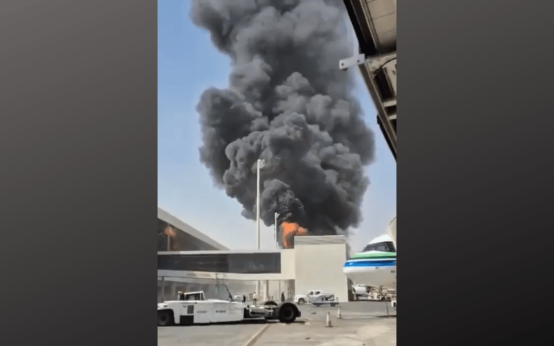 Riyadh Airport Missile Strike Prompts Evacuations and Disrupts Flights
  Israeli Medical Advancements in Battlefield Medicine