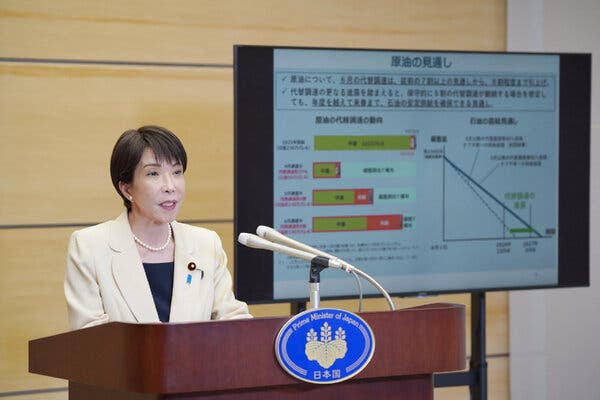
The Bank of Japan has increased its benchmark interest rate to 1 percent, responding to U.S. pressure, inflation concerns, and a declining currency. This marks the highest rate in 31 years.
Prime Minister Sanae Takaichi’s government faces challenges in implementing its spending agenda due to rising interest rates. Economic pressures from high energy costs, linked to the Middle East conflict, have spurred the central bank’s decision.
On Tuesday, the bank expressed intentions to continue raising rates while observing the economy. Japan anticipates higher prices for oil, gas, and other commodities due to the Strait of Hormuz’s closure. A U.S.-Iran agreement to reopen the strait might ease these pressures.
The situation draws parallels to 2022 when Russia’s actions in Ukraine disrupted energy flows. Then, the European Central Bank described inflation as temporary, delaying rate hikes. Unfortunately, this led to inflation exceeding 10 percent in the eurozone.
This experience has influenced the E.C.B.’s current approach, prompting a recent rate hike. Meanwhile, the new U.S. Federal Reserve chairman, Kevin Warsh, prepares for his first policy meeting as U.S. inflation rises.
Overall, Japan faces potential long-term supply-chain strains and elevated inflation rates through the end of this year, driven by these complex global factors.
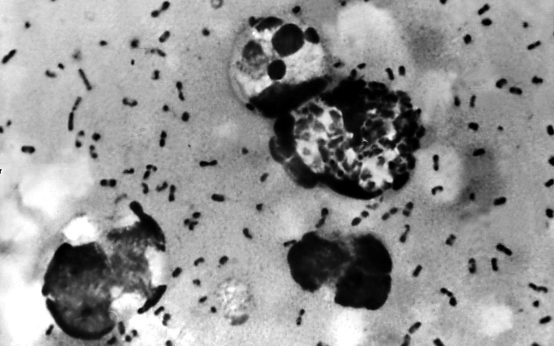 Suspected Plague Death in Siberia Sparks Health Measures
 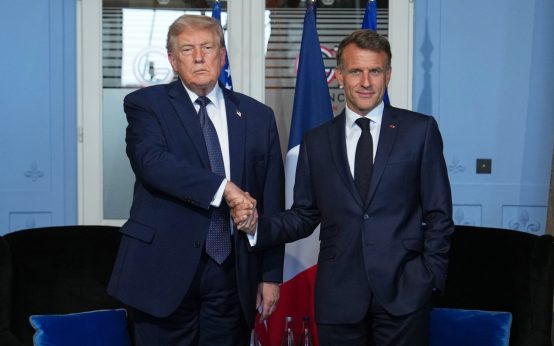 G7 Nations Agree to Release 100 Million Barrels of Oil Amid Fuel Price Surge
  Co-Pilot Attempts Hijack on Flight to Tel Aviv
 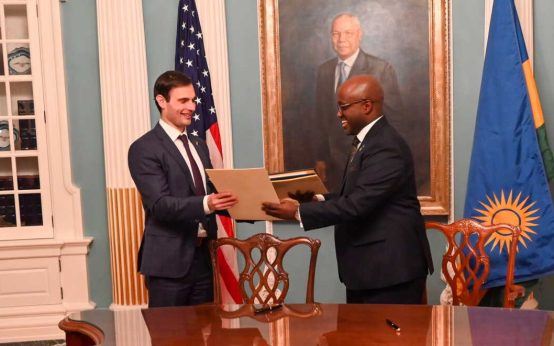 U.S. Revises Global Health Aid with New Strategy
 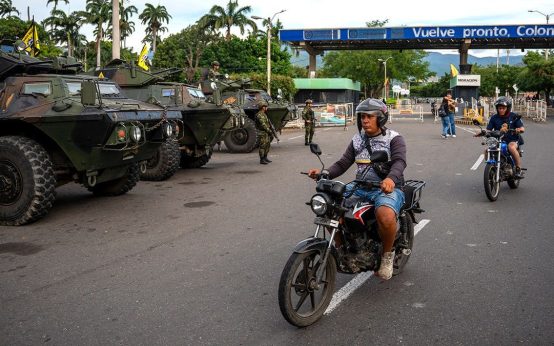 U.S. Warns Against Travel to Colombia’s Norte de Santander Due to Security Threats
  Reflections on 30 Years at Fox News