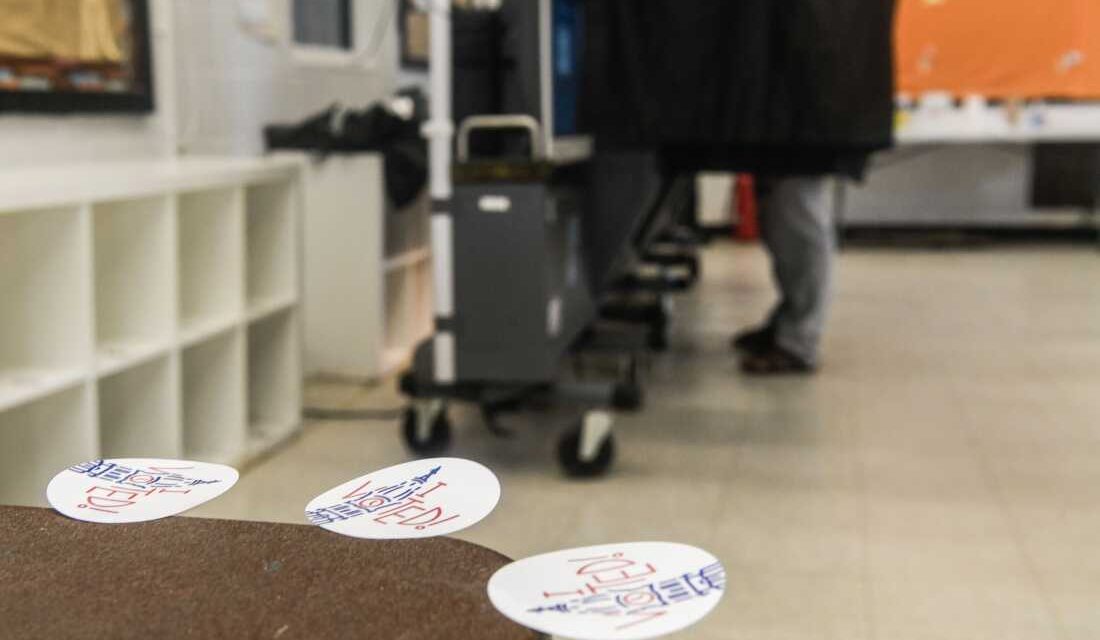
The role of primary elections in shaping Congress’s polarization is significant. Single-party primaries can limit voter choice, encouraging elected officials to prioritize party loyalty. John Opdycke, founder of the group Open Primaries, argues this system allows political parties to control outcomes before voters can express their choice. This approach is impacting areas like Indiana, Kentucky, and Louisiana, where voters have removed lawmakers who opposed significant party figures.
Alongside this, redistricting has reduced the number of competitive U.S. House districts, making most seats secure for one party. As a result, primary elections, often excluding independent voters, decide most House members. Nick Troiano from Unite America emphasizes the danger of this dynamic. He’s advocating for nonpartisan primaries across states to reduce polarization in Congress. According to Troiano, independent-minded representatives face threats from extreme opponents within their parties, leading to increased ideological divides.
“If you’re an elected official, the only threat to your reelection is someone running to your ideological extreme in your primary,” Troiano states.
Rep. Brian Fitzpatrick from Pennsylvania notes that closed primaries hinder compromise by forcing members of Congress to adhere strictly to party lines to avoid losing to more extreme candidates. He’s advocating for open primaries where all voters can participate, stating that limiting voter choice undermines American democracy.
Closed primaries are problematic beyond the House. In Louisiana, Sen. Bill Cassidy, who supported Trump’s impeachment, lost support due to a shift from open to semi-closed primaries. Cassidy’s defeat illustrates how closed systems can favor party-endorsed candidates over independent-minded ones. In contrast, Alaska’s Sen. Lisa Murkowski successfully navigated her state’s open primary system after earlier losing in a closed primary. Her victory underscores the potential of open primaries to support moderate candidates.
Across the country, political parties resist opening their primary systems. Advocates like Opdycke note that gerrymandering has reached its limits, prompting parties to focus on closing primaries. This is happening in both Republican and Democratic states. Efforts in California to maintain nonpartisan primaries face challenges, while Troiano’s group advocates for reforms to prevent closure of primaries to independents.
There’s concern that the criteria for primary challenges are decreasing. Previously, strong deviations from party lines sparked challenges. Now, even slight deviations can trigger primaries. Opdycke argues that while nonpartisan primaries don’t always yield moderate candidates, closed systems hinder bipartisan cooperation on essential issues. Lawmakers face difficulty collaborating across parties, impacting their ability to address issues like education and energy effectively.
Polling shows that most Americans favor compromise from government officials. Yet, dissatisfaction with Congress persists, with a majority disapproving of its performance as competitive races decline due to gerrymandering and primary systems.
 State Department Simplifies Passport Process with Online Applications
 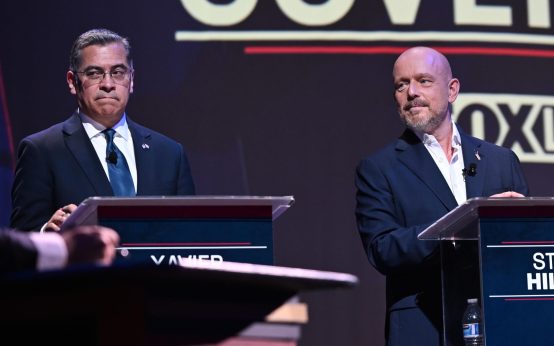 Becerra and Hilton Clash in California Gubernatorial Debate
  California Voters to Decide on $7.5 Billion State Research Fund
 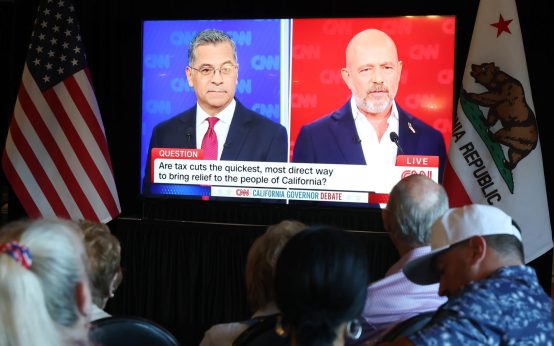 Highlights from the California Gubernatorial Debate: Becerra vs. Hilton
 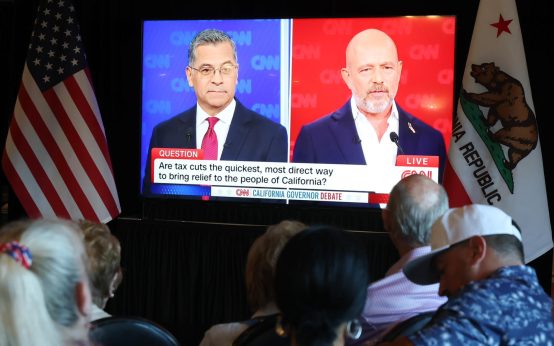 Becerra vs. Hilton: The Debate and Key Issues in the California Governor Race
  Senate Confirms New Labor Secretary