
In 1777, Morocco stood as the first nation to acknowledge the United States. This historical moment was not just recorded in textbooks but echoed within the Pentagon recently, as representatives from both nations concluded a new 10-year Defense Cooperation Roadmap.
This roadmap, covering 2026 to 2036, aims to enhance collaboration in defense industries, cybersecurity, advanced technologies, and operational integration. It builds upon one of the U.S.’s most dependable defense partnerships in Africa. Successful implementation is crucial, as highlighted by Under Secretary Elbridge Colby during the roadmap’s signing, indicating the next steps involve rigorous work beyond the agreement.
During a visit to the U.S. National Archives, officials viewed the 1786 Treaty of Peace and Friendship, a testament to the long-standing diplomatic ties between Morocco and the U.S. Unlike many diplomatic relationships, this one has retained strategic importance over the centuries, beginning with Morocco’s early recognition of the young U.S. republic.
Today, trust in these diplomatic efforts is evident. African Lion 2026, a major annual joint exercise with over 5,000 participants from more than 40 nations, exemplifies this. Morocco takes part in hosting multiple operational activities, reflecting its pivotal role as the U.S.’s central operational partner. More than 30 American defense tech companies are also involved, emphasizing Morocco as a hub for innovation and regional capability-building.
This exercise is a case study for American collaboration in Africa, showing the importance of trust, interoperability, and leadership. It contrasts other regional partners who have valued posturing over genuine partnership, leading to strategic isolation.
The U.S. is also creating Africa’s inaugural permanent drone training hub in Morocco, acknowledging Morocco’s reliability and role beyond a bilateral defense ally. Morocco’s broader vision includes the Atlantic Initiative, enhancing ocean access for Sahel nations, and the African Atlantic gas pipeline, connecting energy resources to Europe.
With a focus on strengthening domestic institutions, Morocco defines its strategic position as a conduit between Africa, the Atlantic, Europe, and the Arab world. For Washington, Morocco provides an effective partnership model in Africa. Discussions in Washington focused on transforming the roadmap into a decade of innovations in joint efforts and technology development.
The historical backdrop from 1777 to the present shows a continuous relationship founded on trust and mutual benefit. This enduring alliance remains a testament to strategic judgment and collaboration.
 British Police Arrest Man Suspected of Terror Plot
  Activists Push for Nationwide Ban on Child Marriage in the U.S.
  Investigation into Alleged Incident at Cornell University
  Rising Drone Threats Highlight Vulnerabilities in Moldova’s Airspace Defense
  Bolivia Faces Security Test Amid Unrest
 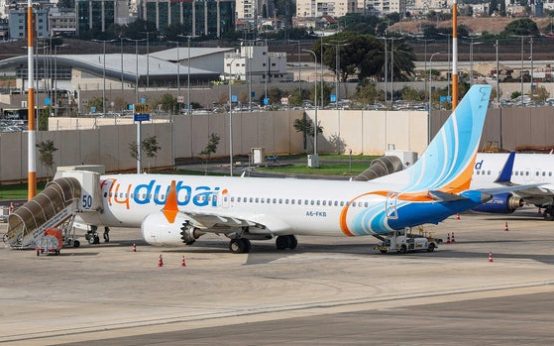 Incident on FlyDubai Flight Raises Security Concerns